
Things to Do in Sofia, Bulgaria: Best Sights & Food
Disclosure: Some of the links below are affiliate links, meaning, if you click through to make a purchase, I earn a small commission – at no extra cost to you!
Sofia, the capital of Bulgaria, is one of Europe’s oldest cities — and one where different traditions and religions come together peacefully in a single place. Within a few minutes’ walk you’ll find a grand orthodox cathedral, a working mosque, a synagogue and 2,000-year-old Roman ruins all sitting side by side. It will most likely be your entry point to the country, and it easily deserves two or three days of exploring. Here are the best things to do in Sofia, plus fantastic day trips.
Overview
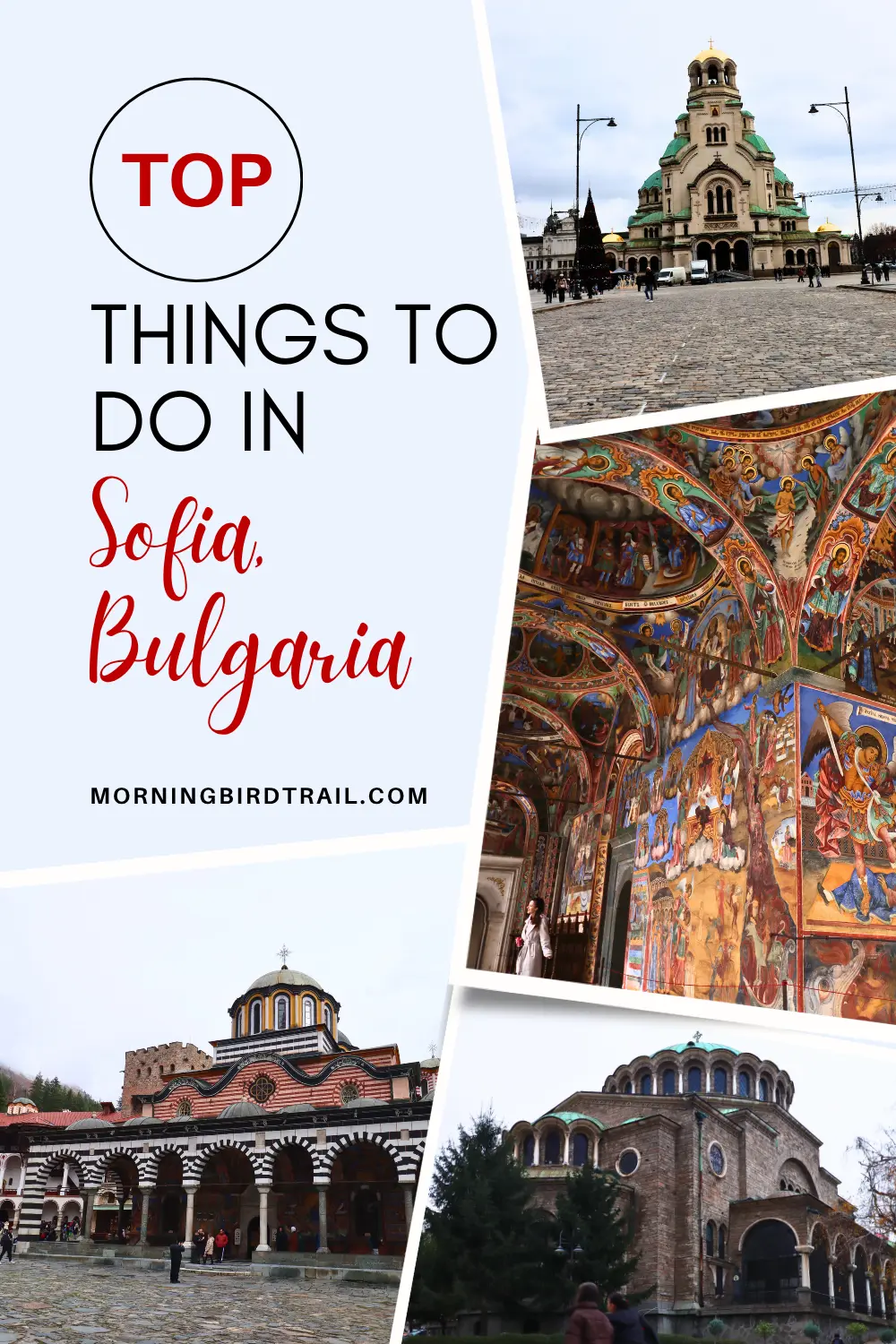
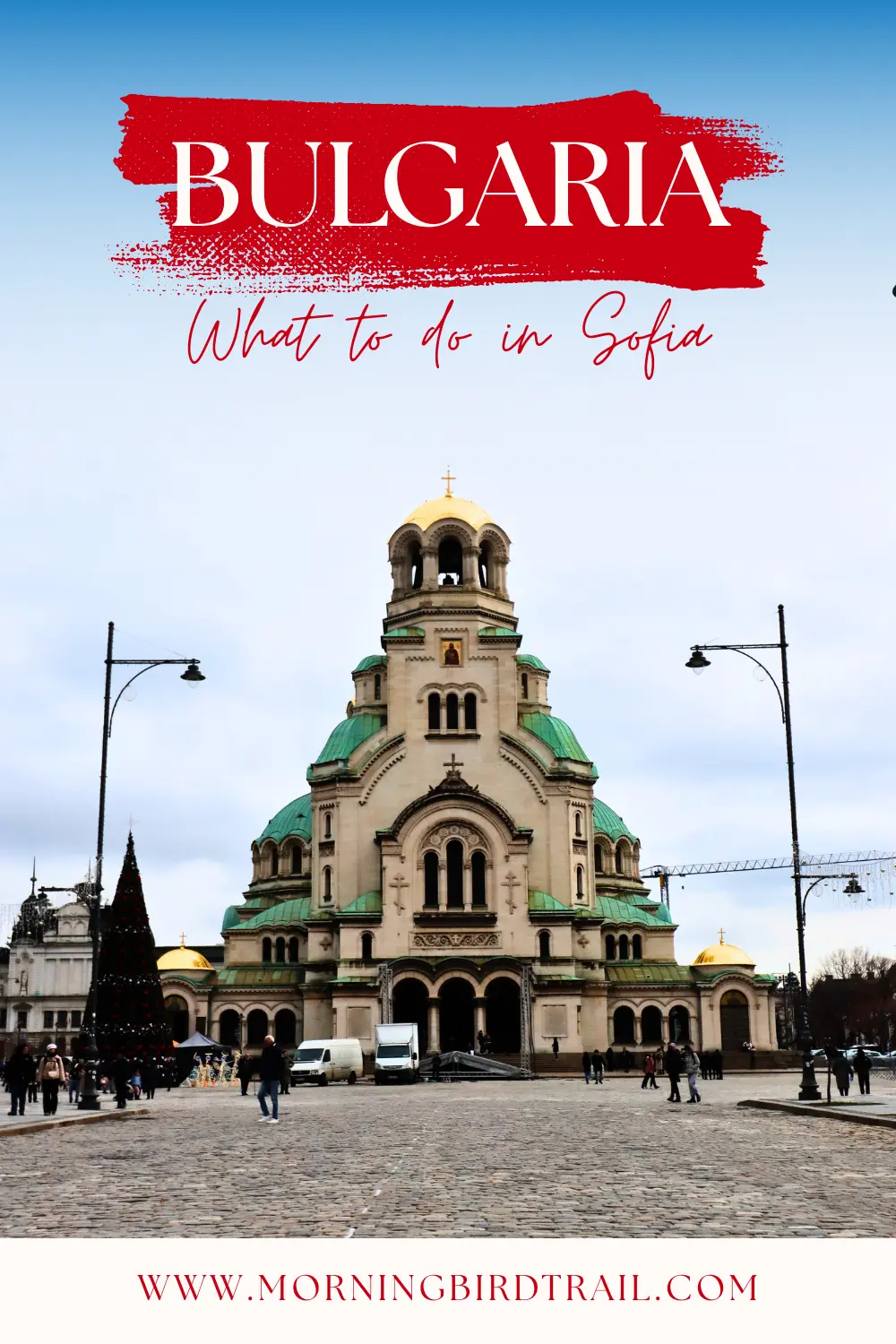
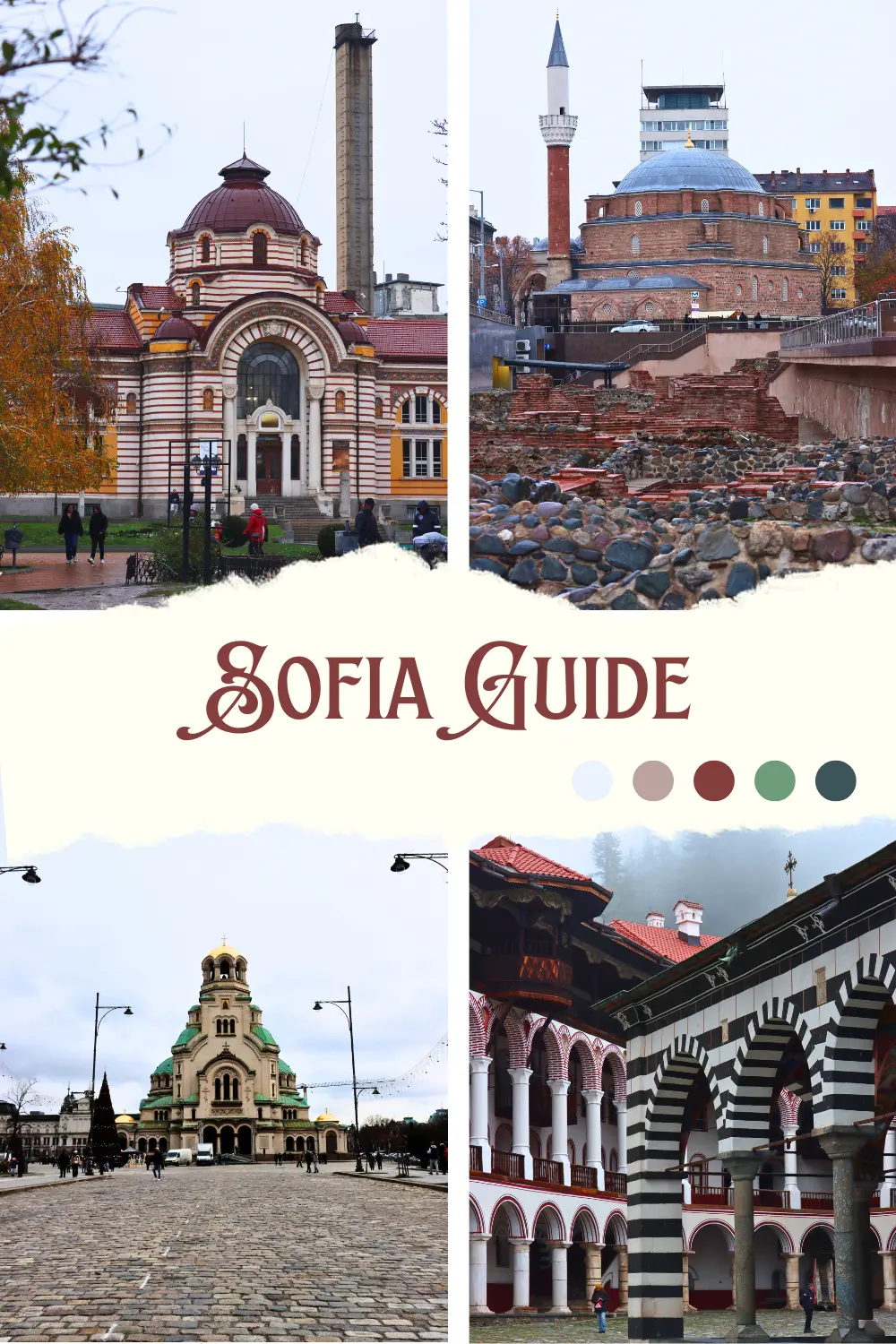
In a hurry? Pin for later!
Getting into the city
Sofia is the most well-connected city in Bulgaria. You can get to Sofia by plane from several European countries. From the airport, a metro takes you to the city centre after around 30 min. This is a cheap and easy way to get to the city centre, but you can also take an Uber.
Besides that you can also take buses and trains from different cities in Bulgaria but also cross border from Bucharest, Skopje, Belgrade, Thessalonica or other cities nearby.
Best things to do in Sofia
- Join a free walking tour - I explored the city centre by joining this amazing free walking tour which taught us a lot about the history and all the different eras the city has lived through.
-
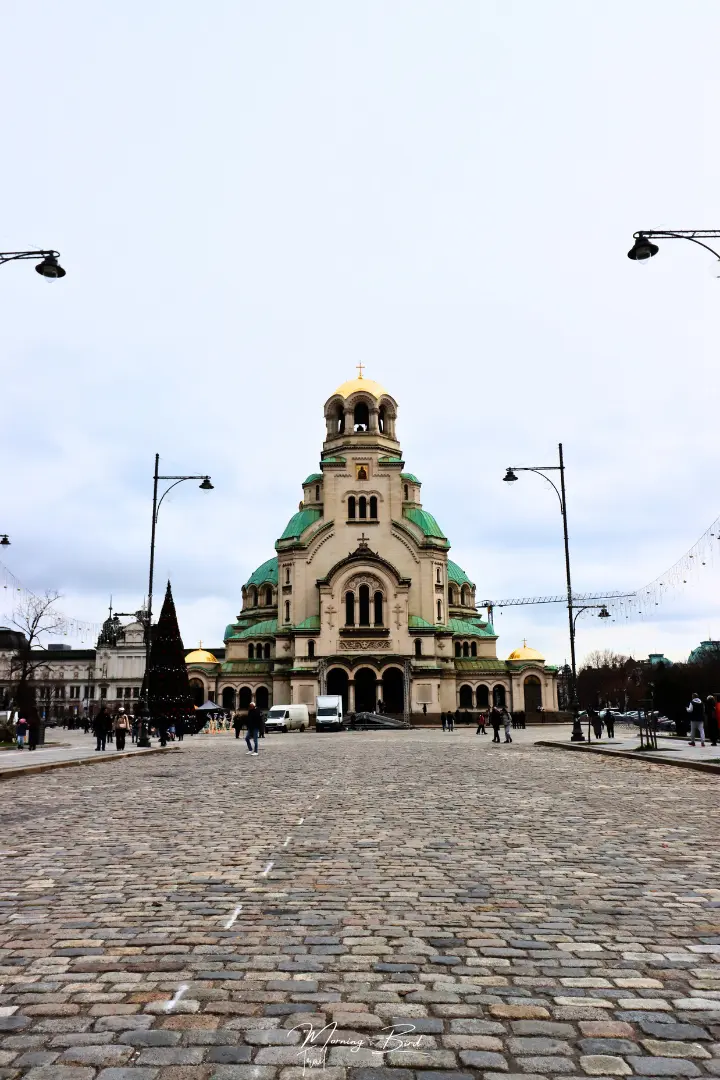
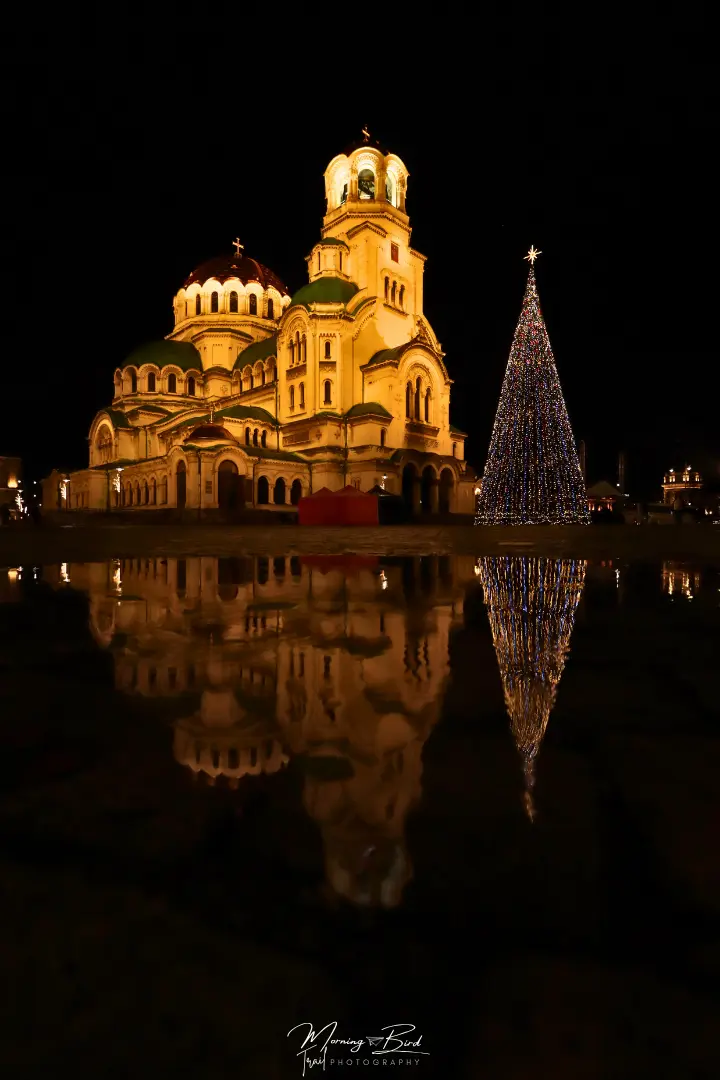
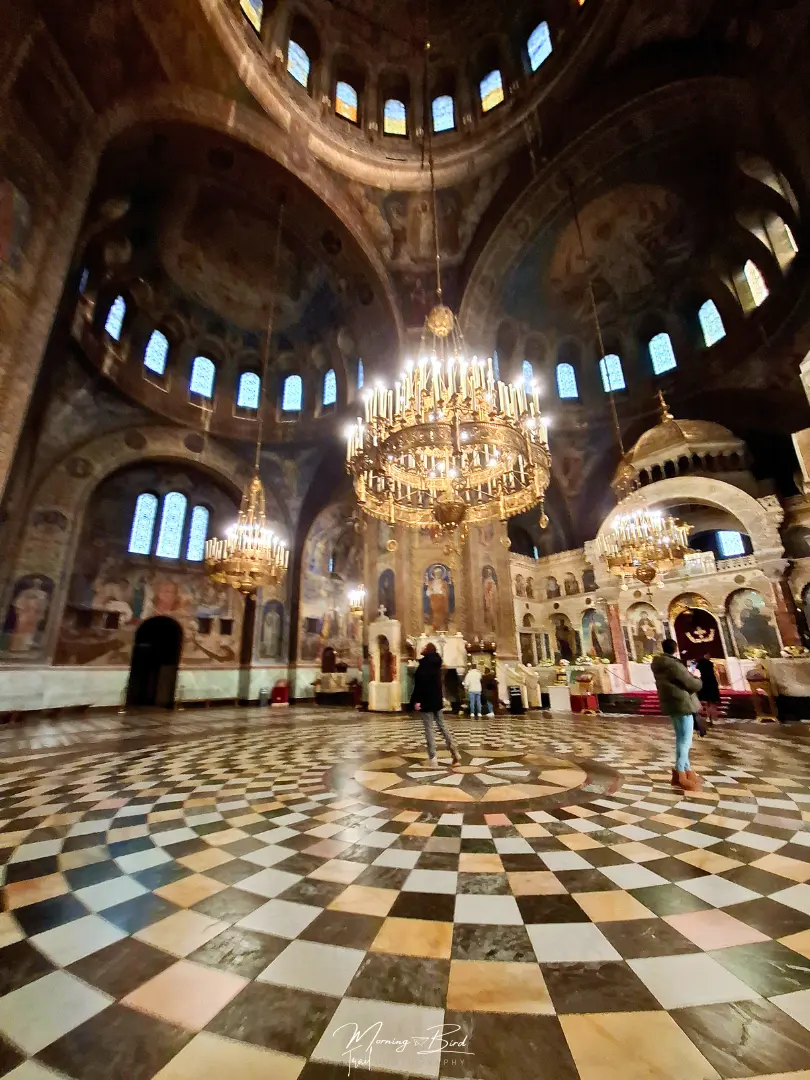
Patriarchal Cathedral St. Alexander Nevsky - This is the most famous landmark in Sofia, a 45m high orthodox cathedral with an absolutely incredible painted interior. Magical, especially when the light hits some of the windows just right. I did think that the paintings were a bit damaged, maybe from the smoke of the candles burning, especially in comparison to other churches such as the one in Rila monastery.
- Sense Rooftop Bar - This bar at the top of the senses hotel has a nice view to the St. Alexander Cathedral. However, smoking is allowed and frequent inside bars which meant it was very smoky in there.
-
Sofia Church of St. George - This is the oldest preserved building in Sofia and dates back to the 4th century, having 12th to 14th century frescoes inside.
-
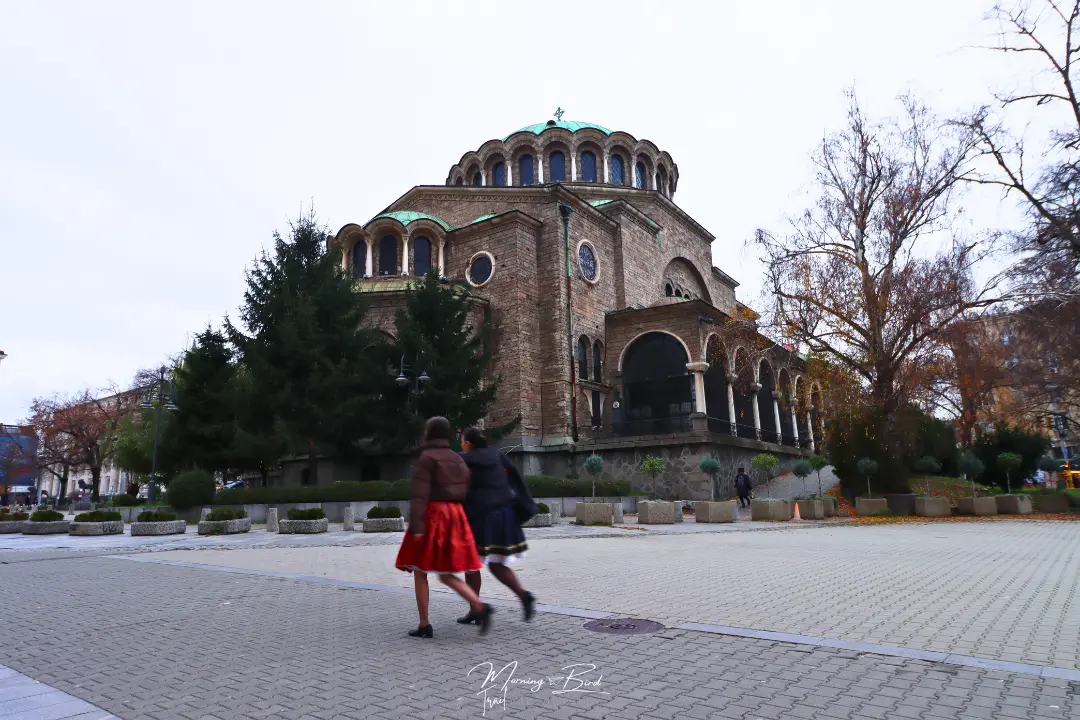
Cathedral Saint Nedelia - This eastern orthodox cathedral, dates from the 20th century after being destroyed and reconstructed several times before.
-
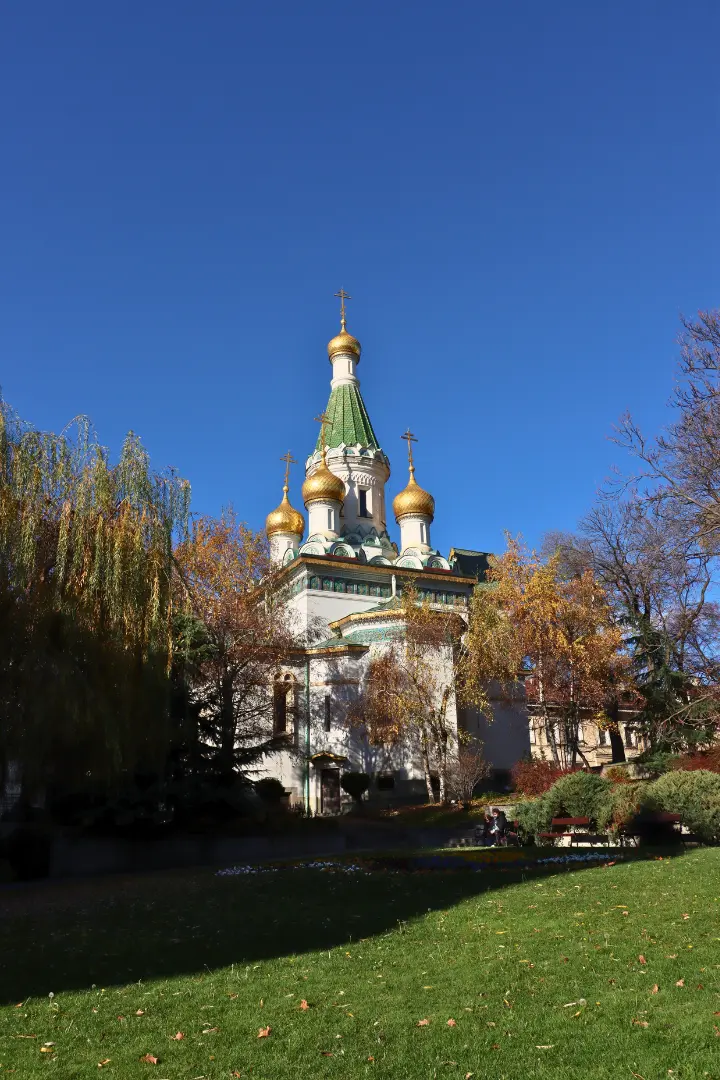
Russian Church of St. Nicholas - this picturesque church is instantly recognizable by its golden onion domes and green roof. It was constructed as the official church of the Russian Embassy and on the location of the previous Saray Mosque after the liberation of Bulgaria from the Ottoman Empire.
-
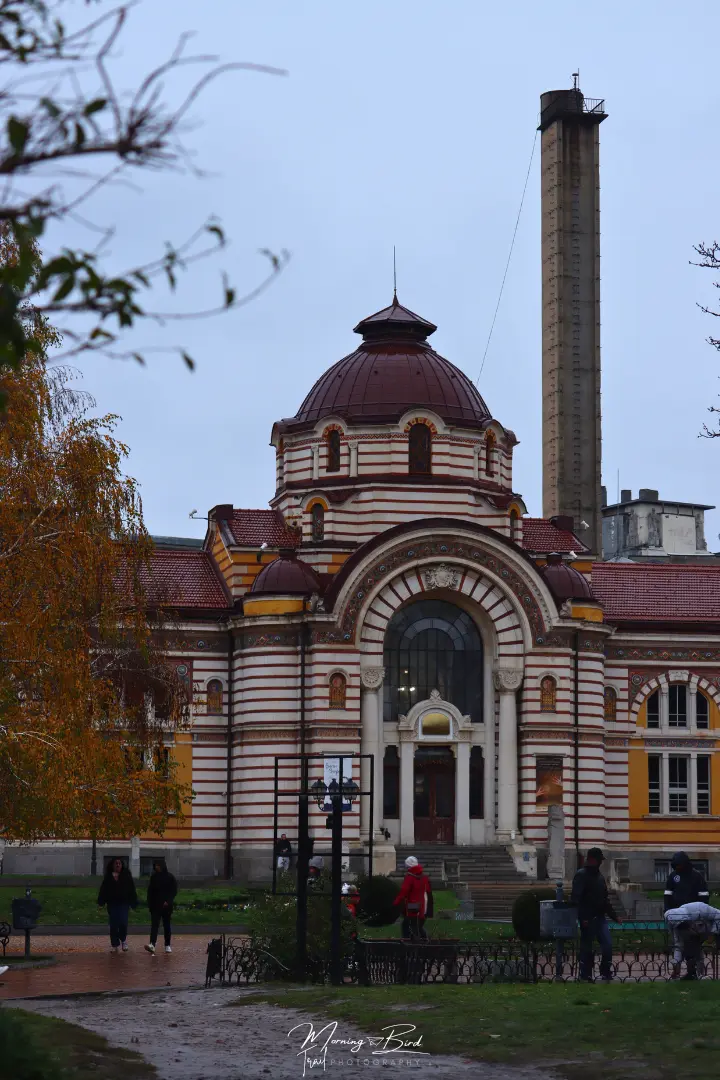
Regional History Museum of Sofia - Located in the beautiful building of the former Central Mineral Bathhouse, its exhibitions cover more than 8000 years of the history of the city of Sofia. Besides this, a very cool curiosity is that outside the building, just around the (right) corner of the main entrance, you see a fountain; if you touch the water that comes out, it’s hot because it is part of the mineral waters that were used in the bathhouse - this is absolutely amazing in the winter!
-
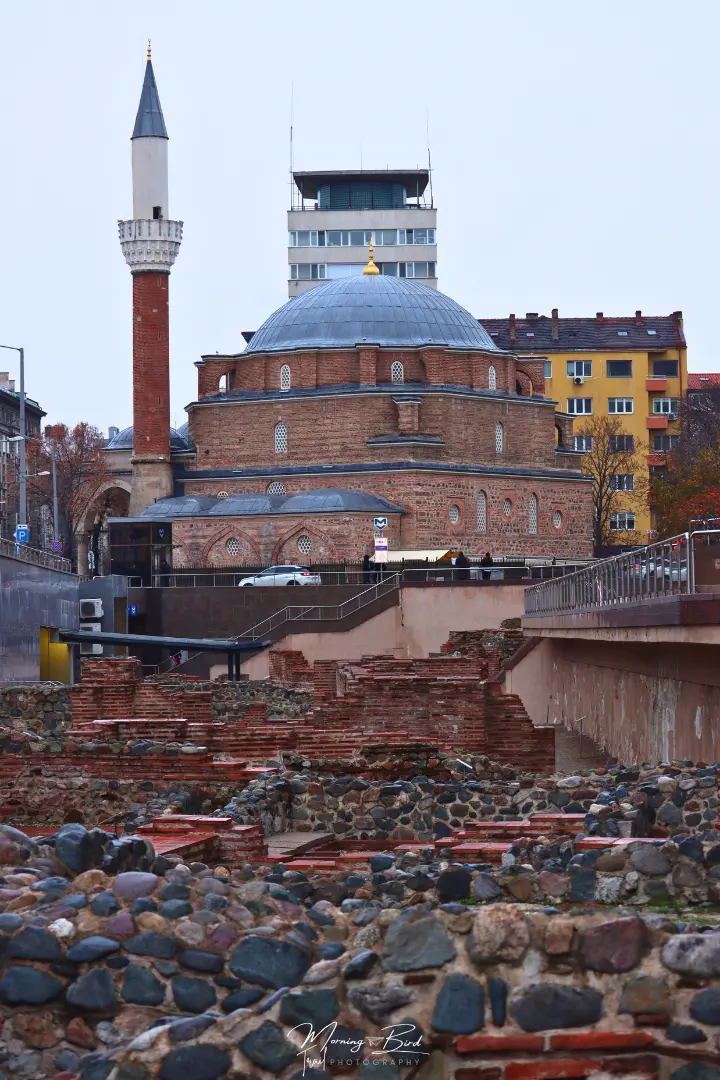
Sofia mosque - Banya Bashi - Was built in the 16th century, during the Ottoman occupation of the city and is now the only functioning mosque in Sofia. This mosque was built on top of the natural thermal spas that also ran to the bathhouse previously mentioned - thus its name “Banya Bashi”: meaning many baths.
-
Archaeological remains of ancient Serdica - These archaeological remains right by the city centre reveal ruins of the ancient city of Serdica, founded nearly 2000 years ago. There are many different ruins around the city (which also include the Church of Saint George mentioned before)
-
Central Synagogue of Sofia - When I went this synagogue was already closed, but it is the third largest in Europe and the pictures of the inside look super nice.
-
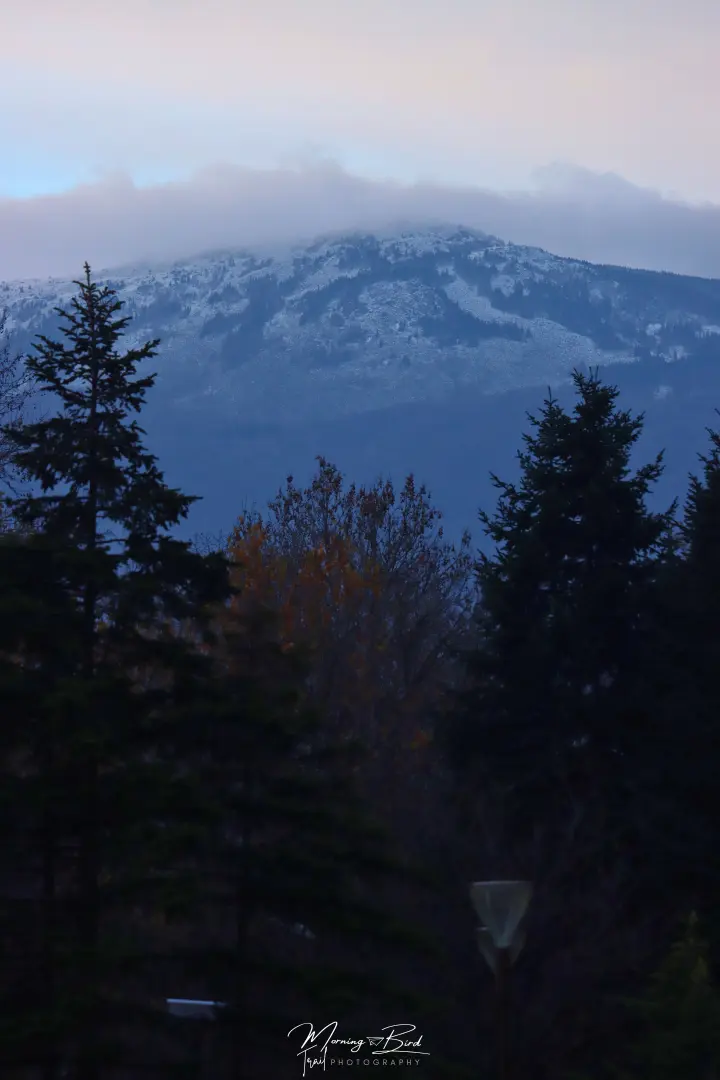
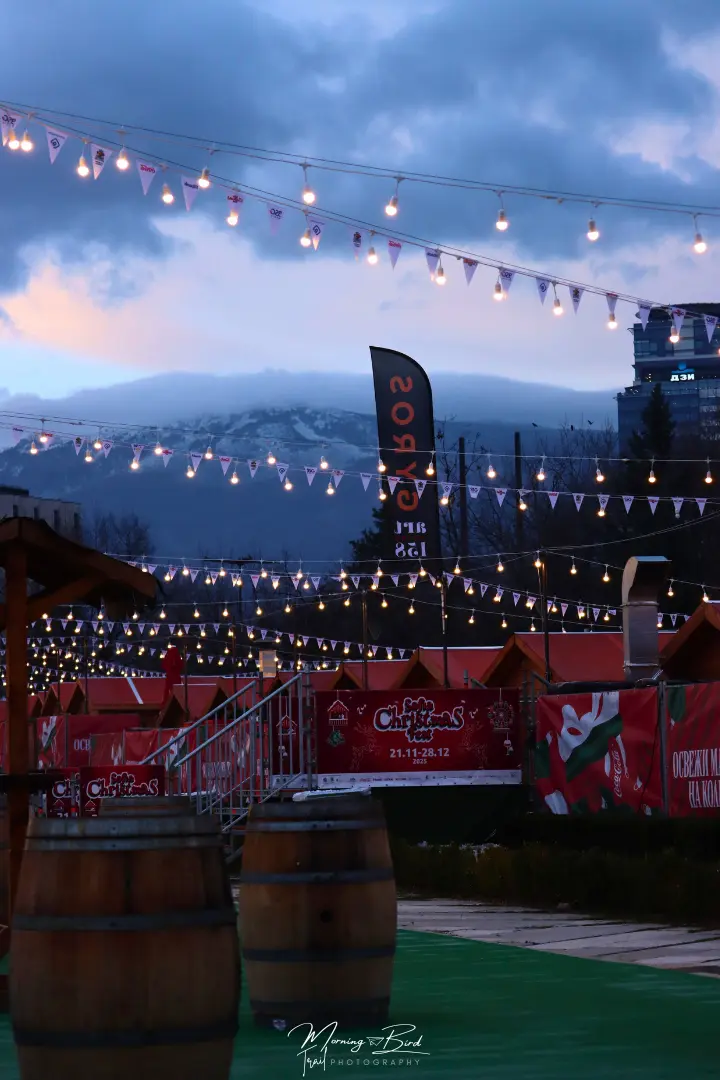
National Palace of Culture (NDK) - Around here you have a big square and park where you can see amazing views from Vitosha mountain and in the winter you have the biggest Christmas market of the city.
-
Vitosha Mountain - This mountain follows you in the background of the city. You can see it well by the Patriarchal Cathedral St. Alexander Nevsky and, as mentioned, behind the National Palace of Culture (NDK). However, this is also the city’s “outdoor playground”. In summer you can hike to the Boyana Waterfall, the Stone River at Zlatni Mostove or up to the Cherni Vrah peak; in winter it becomes a ski resort at Aleko.
-
Boyana Church - A tiny UNESCO-listed church on the edge of the city, famous for its remarkably lifelike 13th-century frescoes. The National Museum of History, one of the largest in the Balkans, sits nearby in the same Boyana neighbourhood. Typically this church is also visited in guided tours to Rila monastery.
Best day trip from Sofia: Rila Monastery
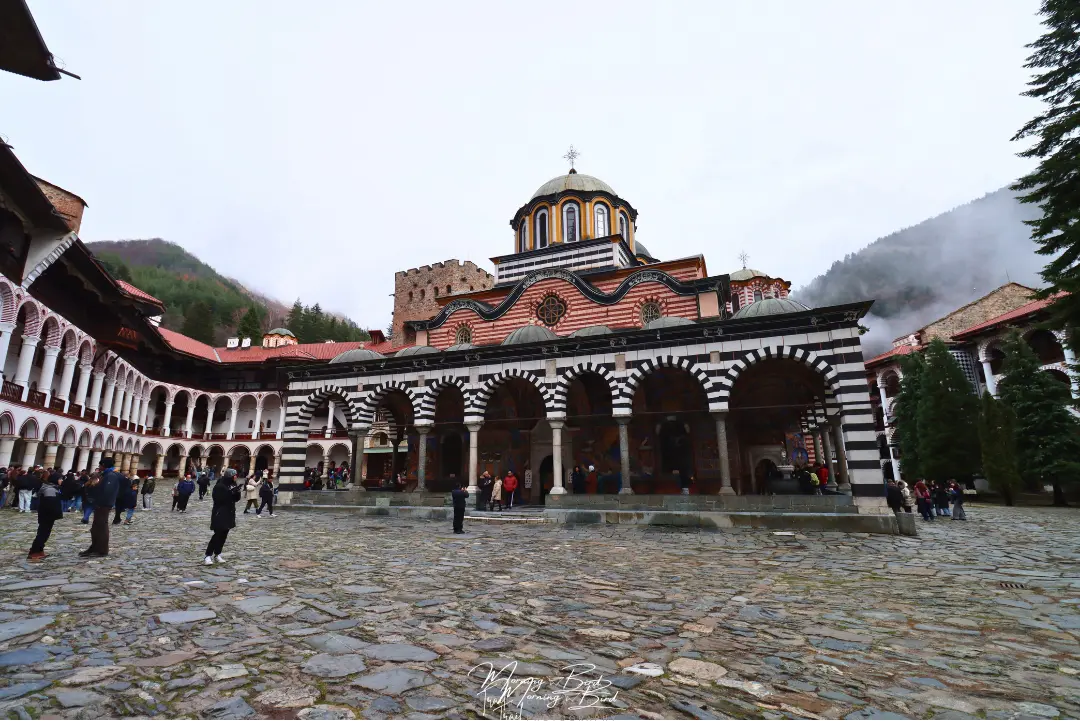
One of the most popular day trips from Sofia is to visit the Rila monastery. This colourful monastery is nicely packed in between the Rila natural park mountains - where if you go in the winter, you can also ski on! This makes the landscape from the monastery very nice, with peaks looking just above the monastery - at least when the clouds are not covering it…
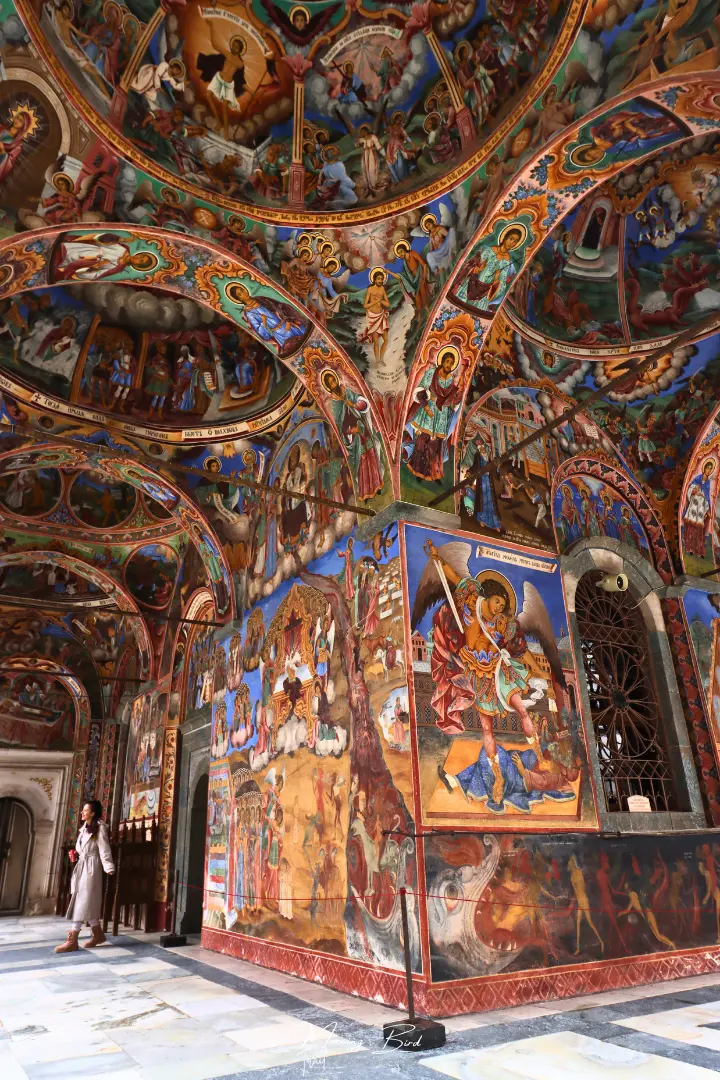
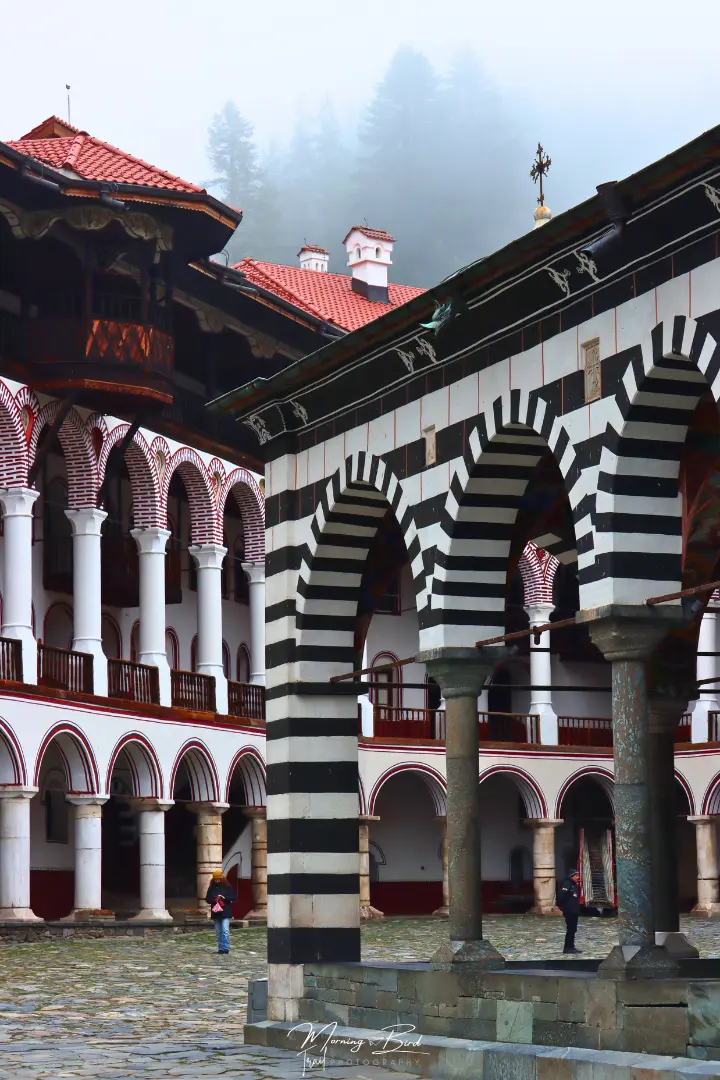
It is very simple to get to this Monastery. Since this is such a popular day trip there are plenty of tours that can take you there and that have a few stops along the way or around the place. The one I chose (mainly due to the weather conditions) was the first one below, and includes a stop on the Boiana Church and the nearby San Ivan Cave. In summer, especially if you enjoy mountains I highly recommend checking out the mountains nearby and their beautiful lakes. You can also combine it with a visit to the town of Melnik, near Greece.
Other day trips from Sofia
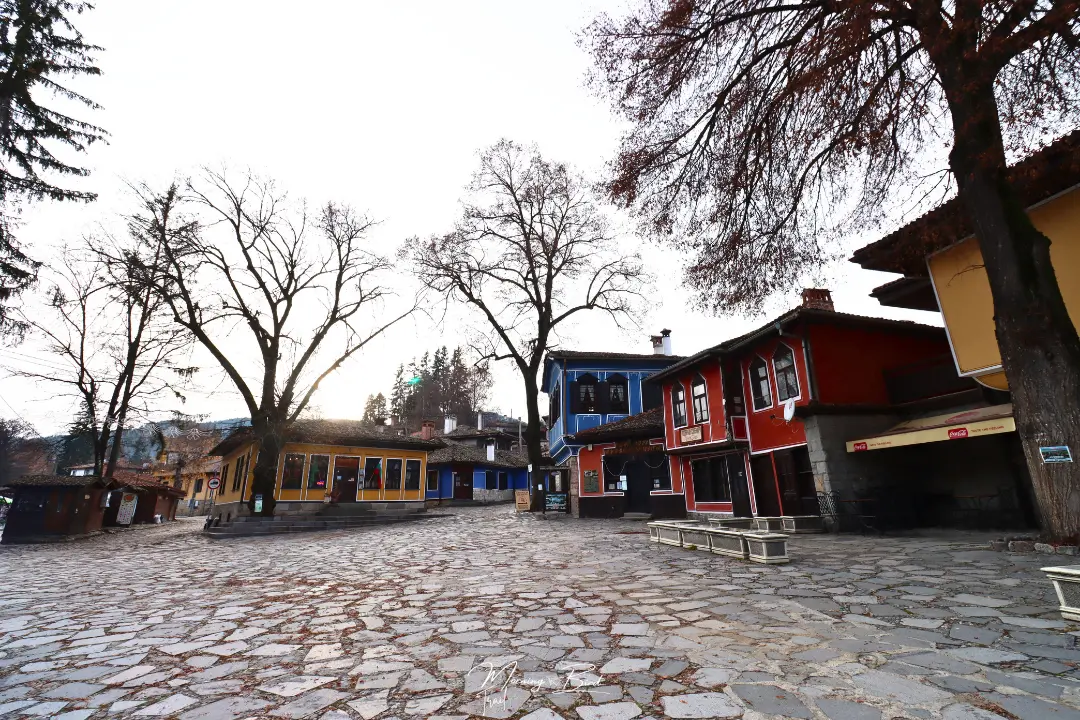
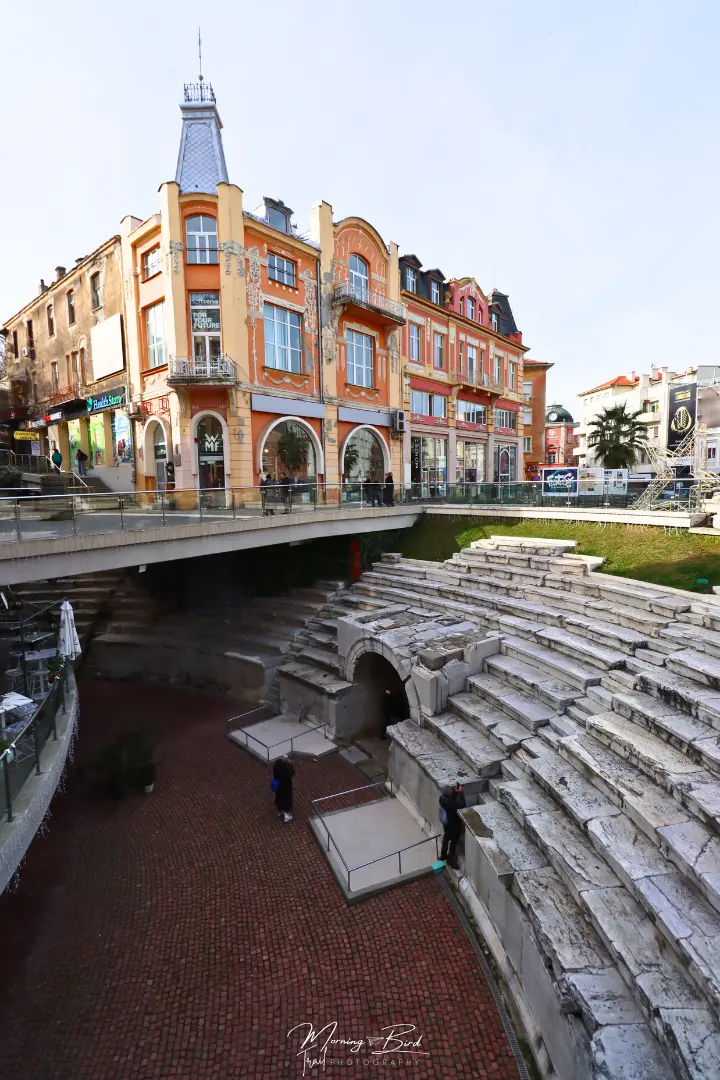
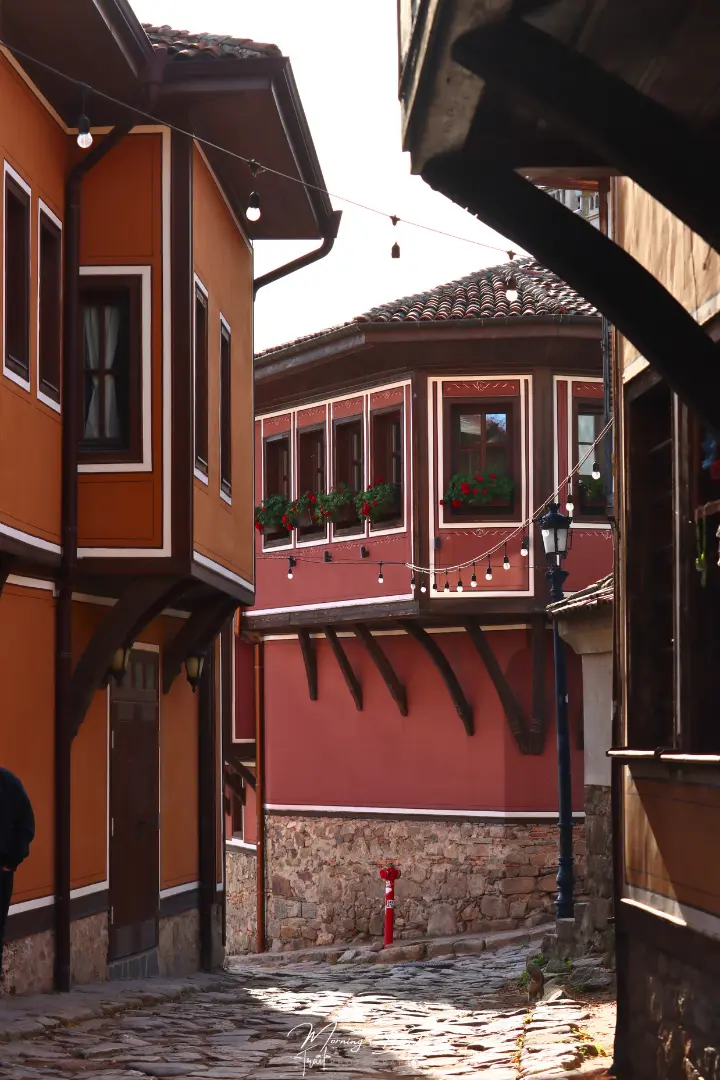
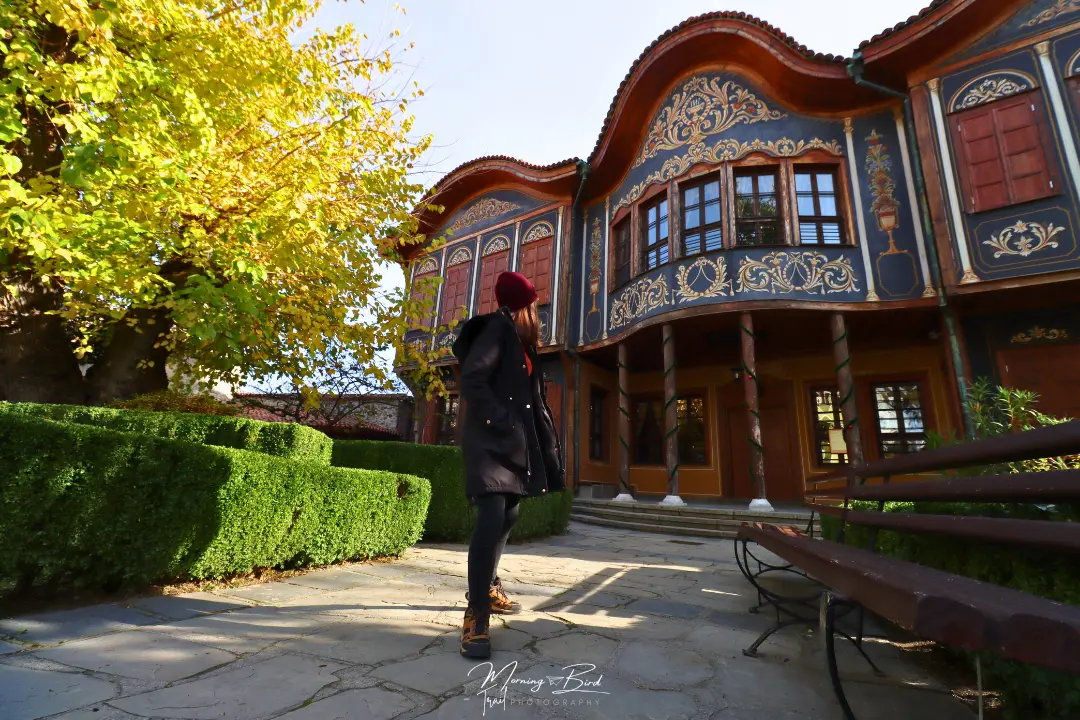
- Plovdiv and Koprivshtitsa - Plovdiv is Bulgaria’s 2nd biggest city. This is a very charming city with a city centre full of cobblestone streets lined by colourful typical Bulgarian houses. I cover this trip in detail in my one-week Bulgaria itinerary.
- Buzludzha Monument - was built by the communist government in Bulgaria in 1981 and its UFO-like shape feels completely out of place against the rugged mountain landscape. Although the interior is generally closed to visitors, simply walking around the massive concrete structure is a fun experience whether you’re fascinated by history, architecture, or abandoned places.
- Belogradchik Fortress - This fort is located in a super picturesque landscape, between the cliffs of the Balkan Mountains, near the town of Belogradchik. This very well-preserved stronghold served mostly for surveillance and became one of the most important fortresses in the 14th century.
- Skopje - Just across the border in North Macedonia, the capital Skopje makes a fun cross-border escape, though at around four hours by bus or car from Sofia so it might be a bit annoying if you don’t like long drives. It’s a wonderfully quirky city: you can lose yourself in one of the largest Old Bazaars in the Balkans, cross the Ottoman-era Stone Bridge over the Vardar River.
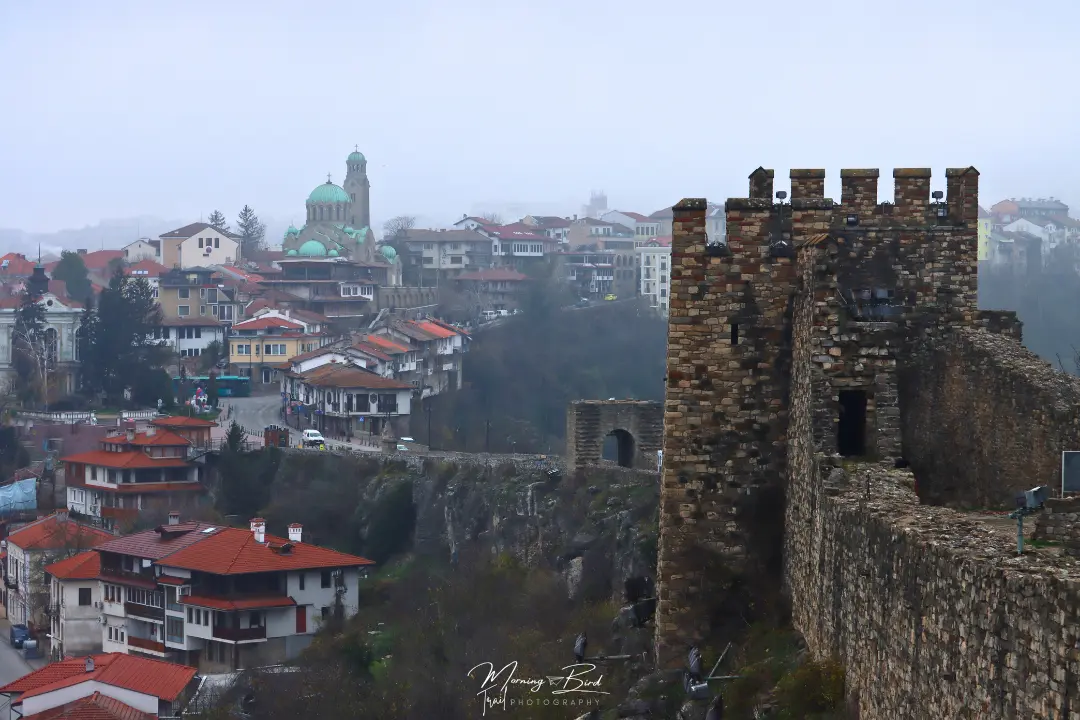
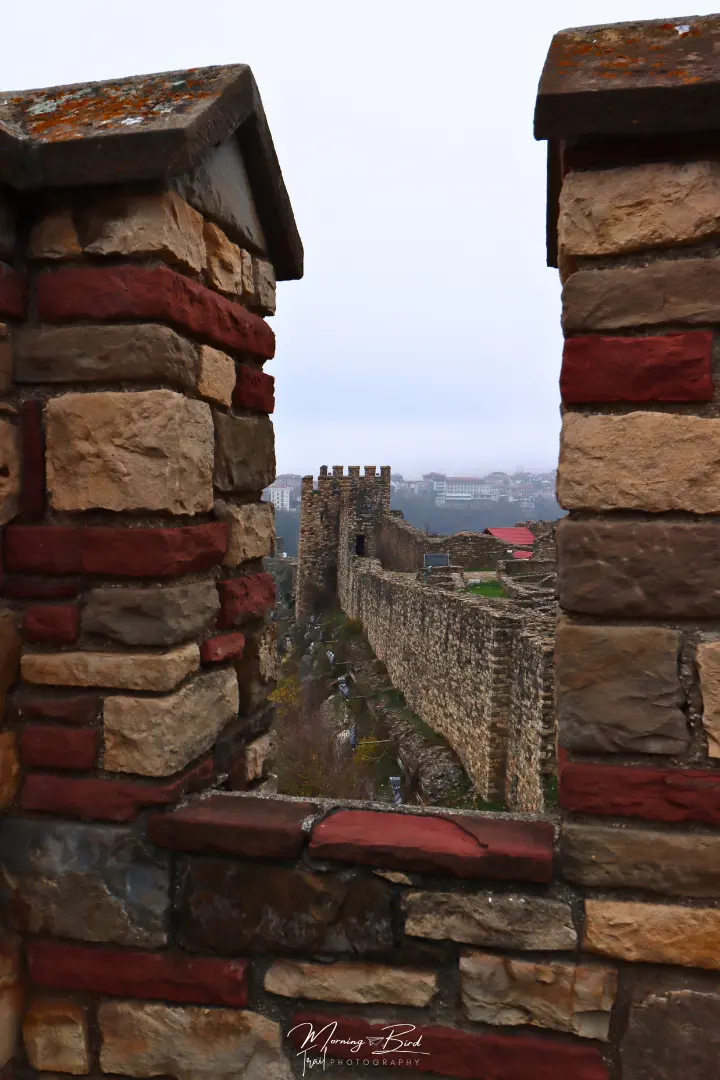
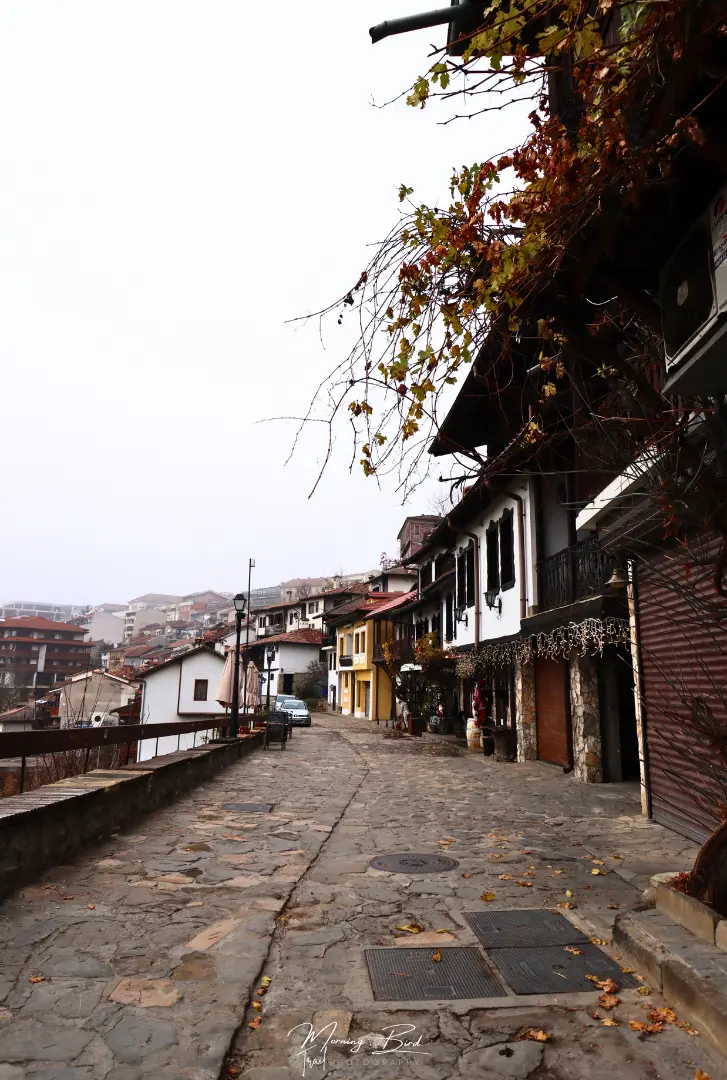
- Veliko Tarnovo - Veliko Tarnovo is known as the medieval capital of Bulgaria (because it was the capital of Bulgaria during the medieval centuries). This city has an incredible fortress that you can explore. You can also take a bus from Sofia to Veliko Tarnovo as I explain in my blogpost about travelling through Bulgaria using public transport.
Where to eat in Sofia
-
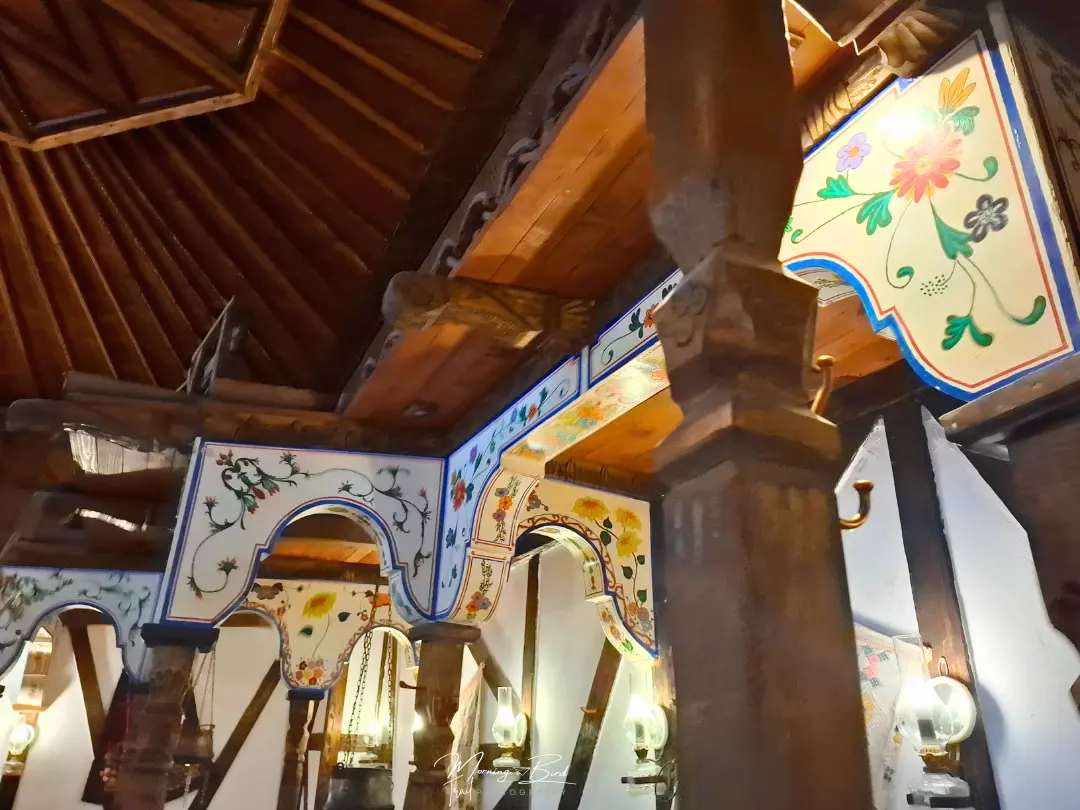
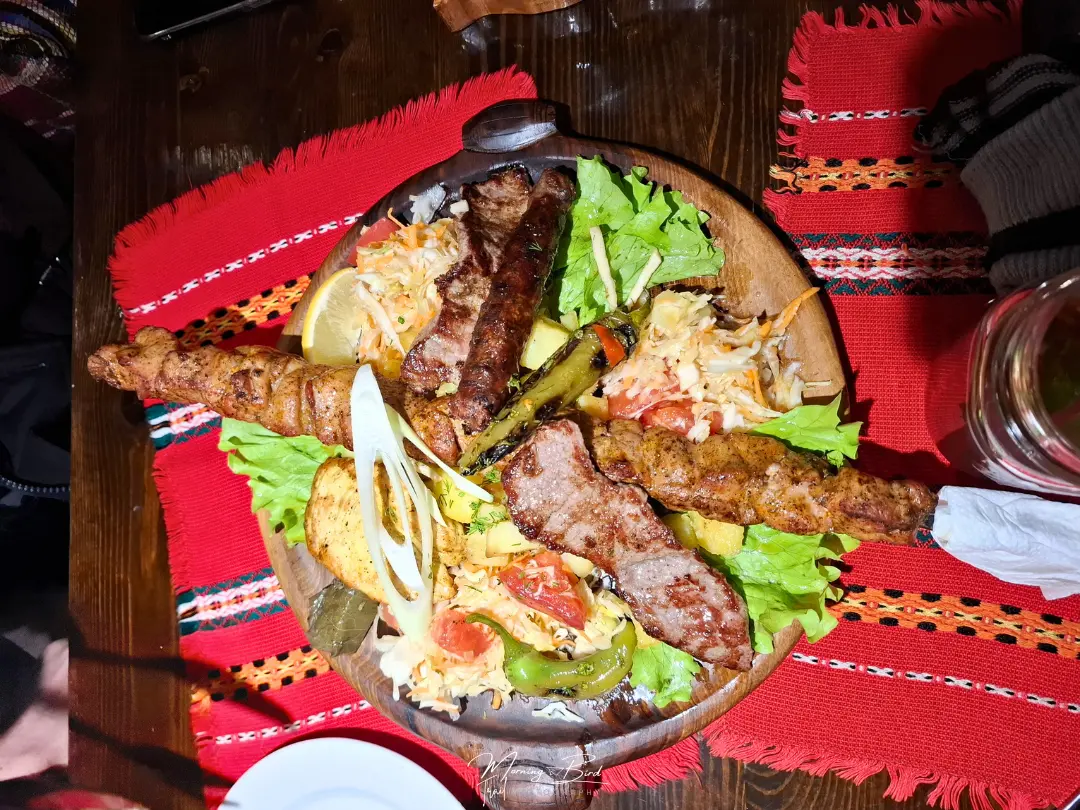
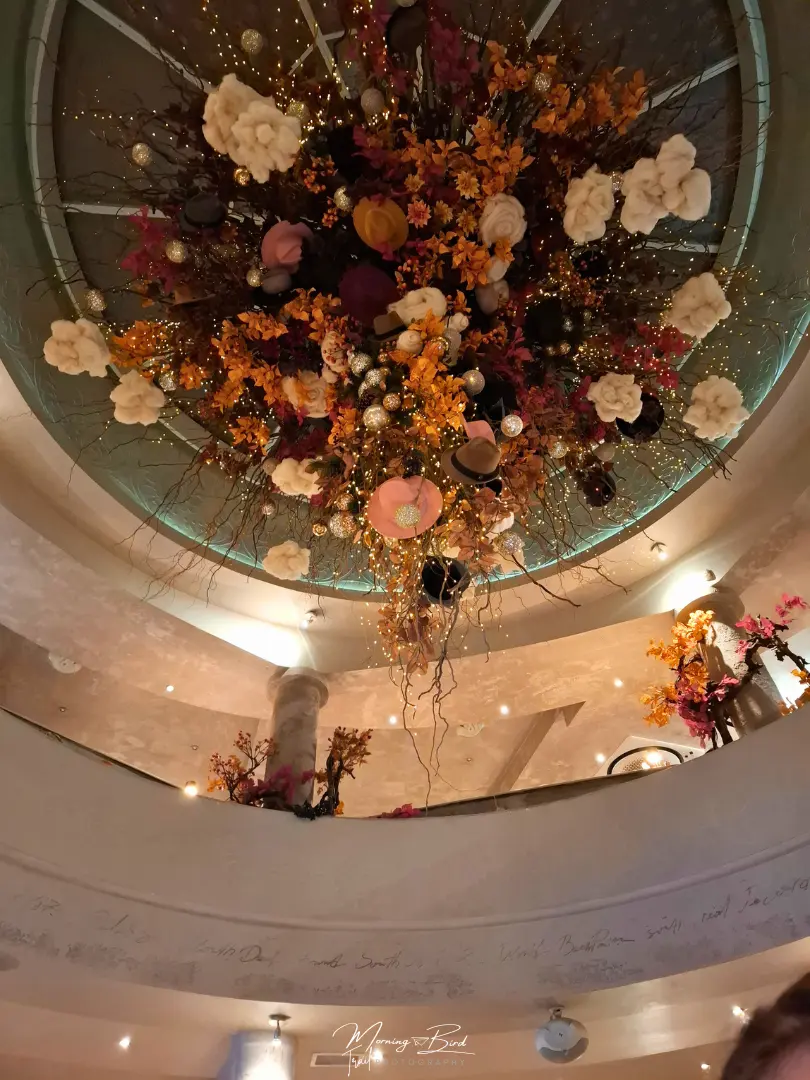
Hadjidraganov’s Cellars - This is one of Sofia’s most famous traditional restaurants. It recreates the atmosphere of the 19th century Bulgaria inn and includes amazing Bulgarian grilled meats and local wines. Make sure you reserve a table because it is often full.
-
Manastirska Magernitsa Restaurant - An alternative to Hadjidraganov’s Cellars that also serves traditional Bulgarian food with lovely decoration around you. This restaurant is bigger so you can get a table more easily, especially at lunch.
-
Vitosha Blvd - This is the main pedestrian road in Sofia, and it is lined with cafés, restaurants and bakeries, so the options are extensive here!
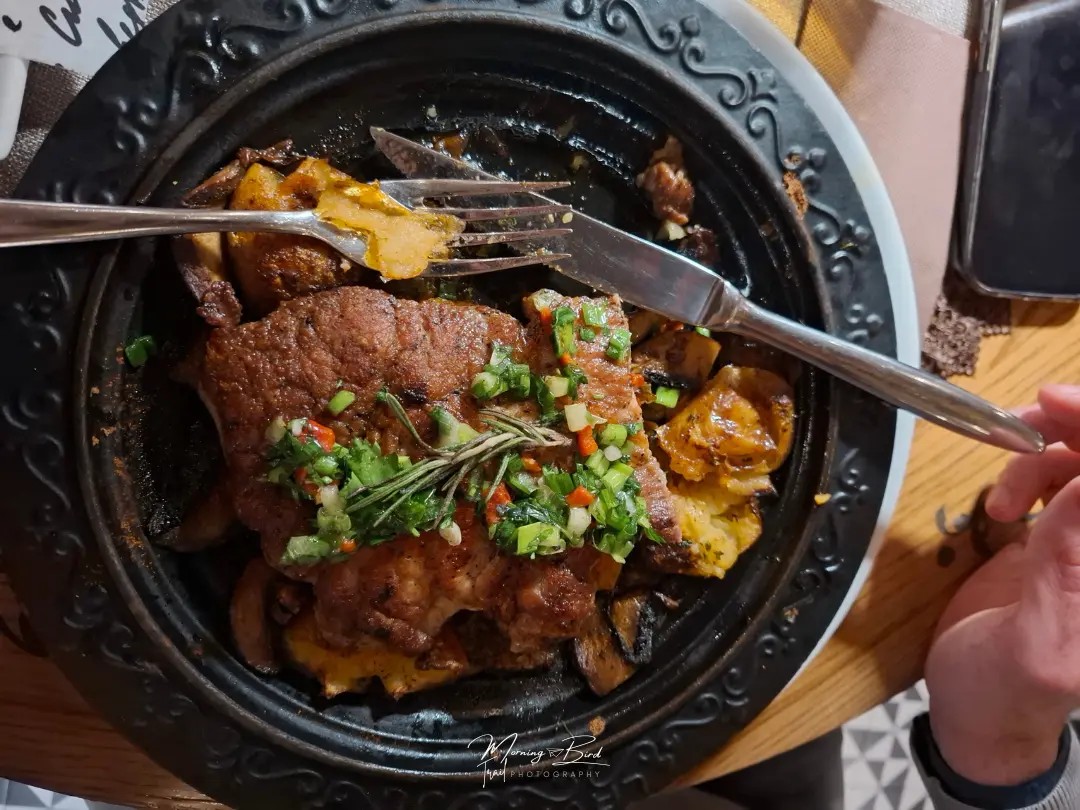
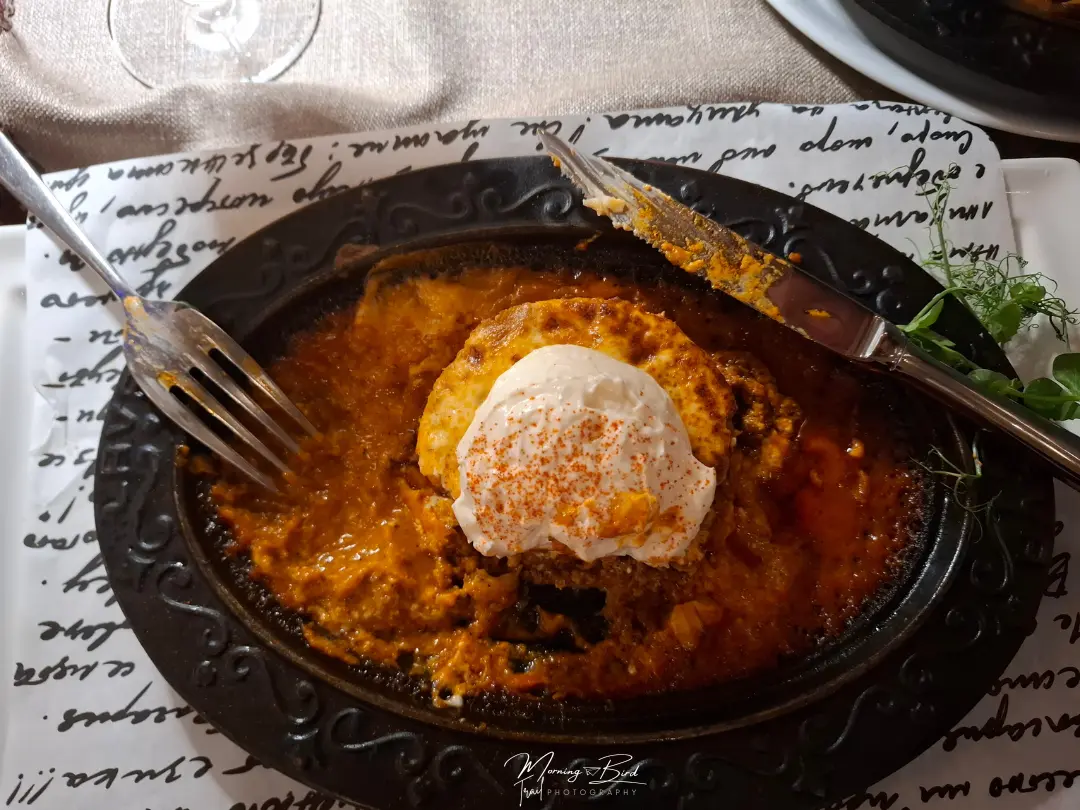
- Shtastlivetsa Restaurant - This is one of the restaurants I went to in Vitosha Blvd. This restaurant is also quite popular and the menu combines Bulgarian and international cuisine and a lovely decoration.
Where to stay in Sofia
Sofia is compact and easy to explore on foot, so I’d base yourself in the city centre — anywhere around Vitosha Boulevard, Sveta Nedelya or the Serdica ruins keeps the main sights, restaurants and the metro within easy walking distance.
I stayed in this Airbnb apartment during my time in Sofia, and it made a comfortable, central base. If you’d rather book a hotel, here are some options at every budget:
Budget: under €50
- Sofia Centre studio – A cosy, well-reviewed studio on Pirotska Street with a kitchenette, right in the middle of the city.
- 5 Vintage Guest House – A charming little boutique guest house with retro-styled rooms and a quiet patio garden, just a few steps from Vitosha Boulevard.
Mid-range: €50–110
- Les Fleurs Boutique Hotel – A 4-star boutique hotel right on Vitosha Boulevard, set in a beautifully restored historic building with a floral design theme and its own gourmet restaurant.
- Lavele Str. 15 apartments – Modern, fully equipped apartments in a century-old building, 40 m from St. Nedelya Cathedral and the Vitosha Blvd bar scene — great if you’d like a kitchen and a bit more space.
- Best Western Premier Thracia – A dependable 4-star hotel in the Centrum district near Vitosha Boulevard, with a sauna, fitness studio and a fresh buffet breakfast.
High-end: over €110
- Sheraton Sofia Hotel Balkan – A five-star landmark on Sveta Nedelya Square, built around the 4th-century St. George Rotunda and steps from the Serdica ruins — about as central as it gets.
- City Hotel Sofia – A stylish, modern hotel just 200 m from the Alexander Nevsky Cathedral, with Italian-designed interiors and a sauna.
- Hyatt Regency Sofia – A sleek five-star on Vasil Levski Square, a 10-minute walk from Alexander Nevsky, with a rooftop bar, a hammam and an indoor pool.
- Grand Hotel Sofia – An elegant five-star overlooking the City Garden and Ivan Vazov National Theatre, home to a collection of 400+ original oil paintings and a garden-view restaurant.
Frequently Asked Questions
-
How many days do you need in Sofia? Two to three days is ideal. That’s enough to see the main landmarks at a relaxed pace, wander the different neighbourhoods, and still fit in a day trip to the Rila Monastery. If you want to do more day trips while making Sofia your “base camp” then more days should be spent in the city.
-
Is Sofia worth visiting? Absolutely. Sofia is affordable, walkable and layered with history from wildly different eras - Roman ruins, an orthodox cathedral, a mosque and a synagogue all within a few minutes of each other - which makes it feel unlike most other European capitals.
-
Is Sofia safe? Yes, Sofia is generally very safe. As anywhere, keep an eye on your belongings in busy tourist areas, but I felt mostly comfortable exploring the city on foot.
-
When is the best time to visit Sofia? May, June and September offer the most pleasant weather for sightseeing. Summer is warm and lively, while December (when I visited) is cold but magical thanks to the Christmas market at NDK - just pack warm layers.
Final thoughts
Sofia surprised me — it’s affordable, walkable and packed with history from wildly different eras, all sitting side by side. Two or three days is enough to see the highlights and still squeeze in a Rila Monastery day trip and a few long lunches of traditional Bulgarian food.
Now I’d love to hear from you! Have you been to Sofia, or is it on your travel list? Which spot would you head to first — the golden domes of the Alexander Nevsky Cathedral, the ancient ruins of Serdica, or a traditional dinner along Vitosha Blvd? Drop a comment below — I read every single one! 👇
Was this guide helpful?
Thanks for your feedback! 💛
Comments