
Bulgaria by Public Transport: A Realistic Itinerary
Disclosure: Some of the links below are affiliate links, meaning, if you click through to make a purchase, I earn a small commission – at no extra cost to you!
Travelling in Bulgaria by public transport can definitely be a hassle. It was one of the hardest trips I’ve planned in a practical sense so far. However, in the end I really enjoyed my time there. In this blogpost, I am sharing what I learned in the process, so you don’t have to struggle as much as I did to plan your adventure in this beautiful and historic country.
In this blog post you can find my realistic itinerary from Sofia to the Black Sea by bus and train, the struggles, the highs and the lows. This itinerary focuses on my itinerary from last December and includes cities like Sofia, Plovdiv, Veliko-Tarnovo and Varna.
Overview
- Why travelling to Bulgaria by public transport?
- Public Transports in Bulgaria: what to expect
- Train
- Bus
- How to plan and book your tickets
- Itinerary
- Day 1 - Sofia - Rila monastery
- Day 2 and 3 - Sofia
- Day 4 - Plovdiv
- Day 5 - Veliko Tarnovo
- Day 6 - Burgas
- Day 7 and 8 - Varna
- Common mistakes to avoid & practical tips
- Final thoughts
- Pin for later!
Why travelling to Bulgaria by public transport?
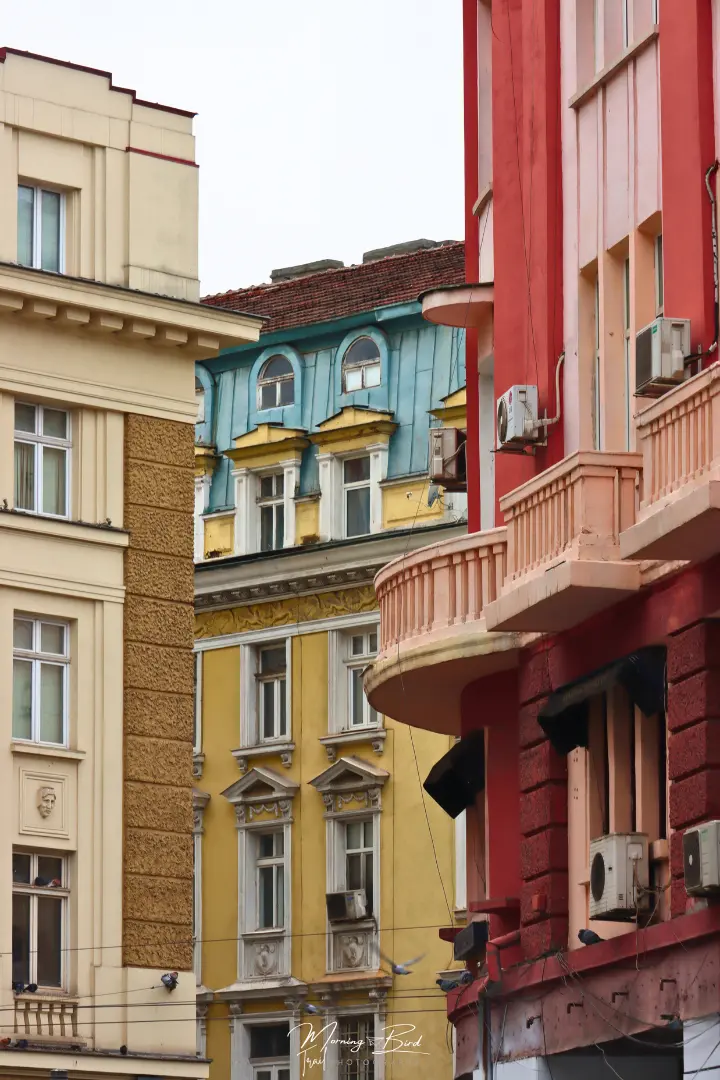
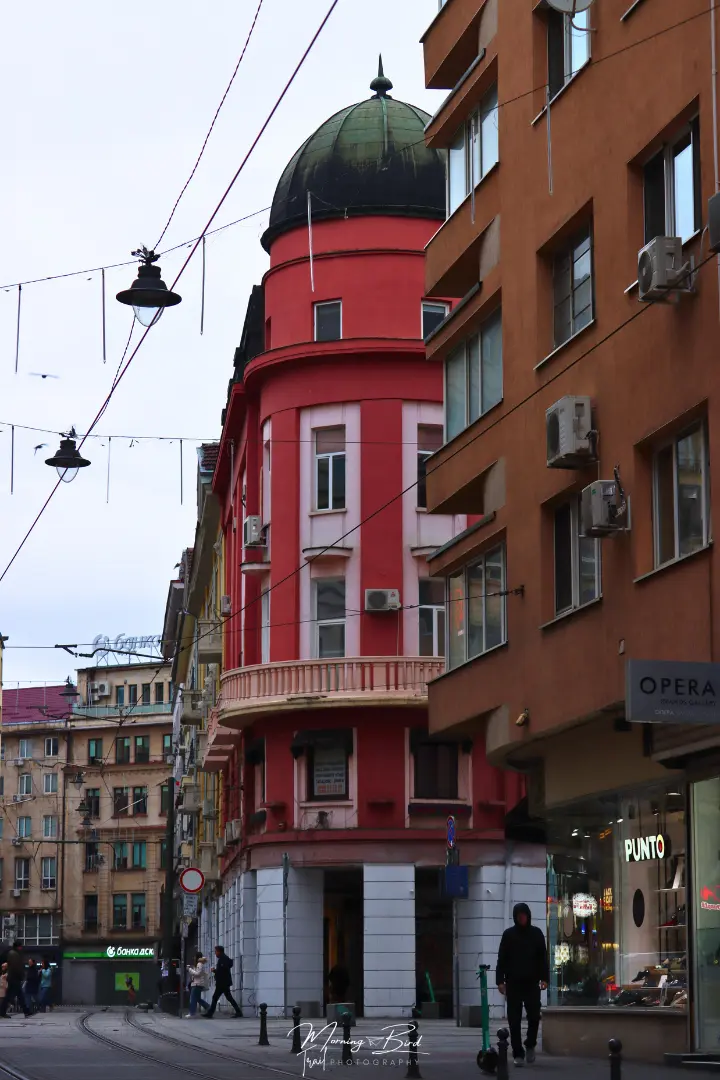
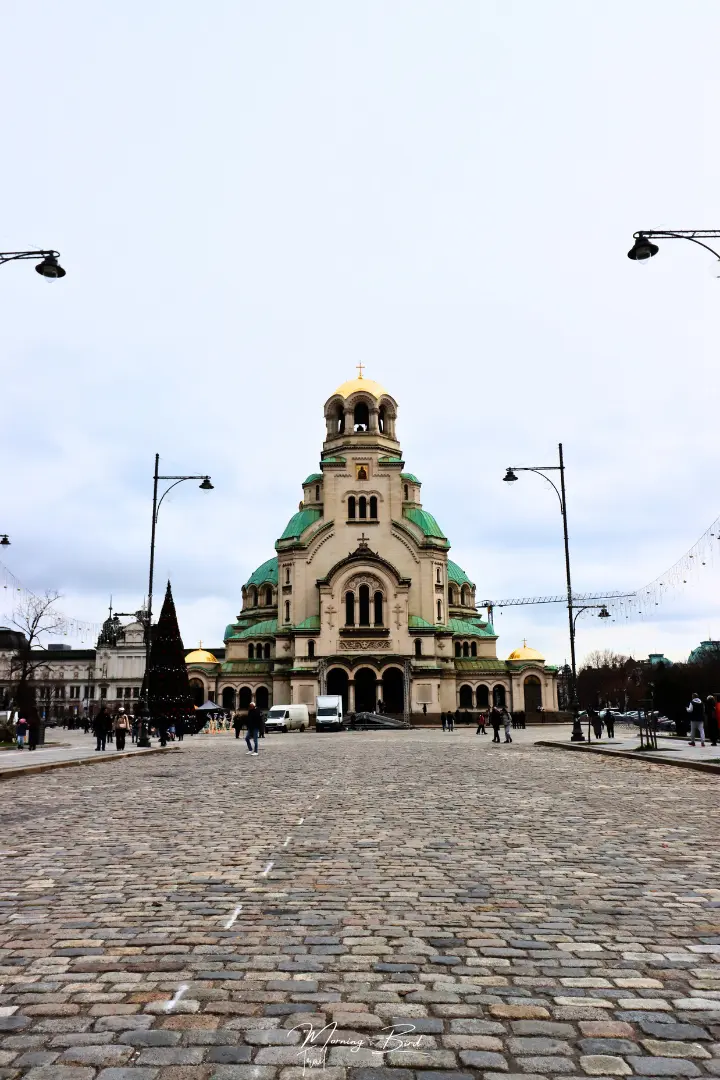
Bulgaria has an extremely deep history, being located on a region that exchanged hands over and over again through history. These deep changes make it standout as a location of respect for the different views of the world. In particular Sofia with its massive religious buildings from several different religions hanging out together in the city center is lovely.
Besides the obvious that this is a lovely but still underrated country, Bulgaria is also quite cheap in comparison to other European countries. Yet, it has a somewhat extended public transport networks between cities.
A big advantage of using public transport when available is that you don’t need to waste time parking or driving and can just enjoy the scenery passing by - besides being more environmentally friendly. However, it gives you a bit less options if you want to explore “less connected” regions of the country like the stunning rose valley in June with its incredible and extensive rose plantations.
Public Transports in Bulgaria: what to expect
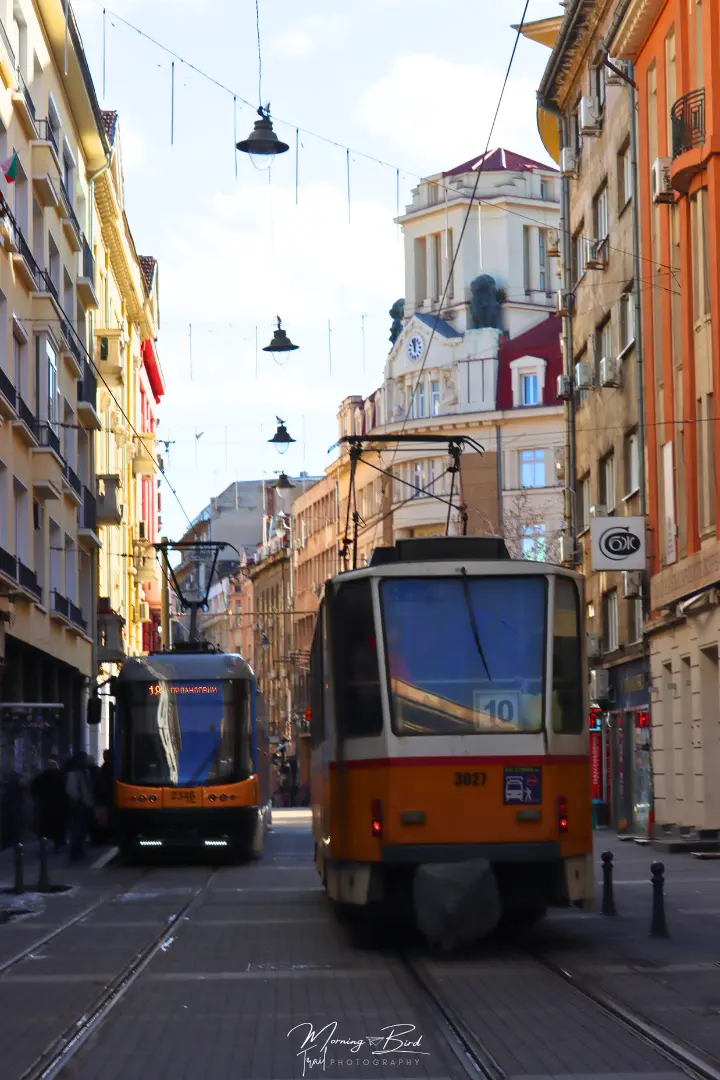
Besides Sofia, where you have every kind of public transports (eg. bus, train, metro and tram), overall, we find trains and buses connecting the other cities, and buses inside the other cities. Thus, public transportation in Sofia is amazing and on the other places it exists but is not necessarily needed for the tourist.
Train
Some trains may run fewer times than buses to go the different cities, so you really need to plan your itinerary based on it. The main cities are connected either by bus or train to Sofia. It’s less obvious that they are connected to each other. Contrarily to other countries, here the trains are often cheaper but may take longer than the buses. They are operated by the Bulgarian State Railways and the tickets can be bought in their website.
There are also night trains from Sofia to Burgas or Varna for cheap prices. This is a budget efficient way to move in between the two parts of the country, but you skip some places in the center that are very worth it too.
Bus
Buses are typically more direct and have more frequent connections. This is therefore a better option for longer travel days. But they are so complicated to figure out! To start there are sooo many different companies that provide the service in different parts of the country. Some of these only sell tickets on the spot, some only work in the summer, most are quite hard to find information online fast, some mention only accepting tickets in paper. Examples of these companies - and the ones I ultimately booked - AlexOk, Biomet, MBus. There are also a few Flixbus connections.
How to plan and book your tickets
I consider myself quite experienced in planning trips, but the planning for this trip and be able to enjoy all the places I had planned, was quite tricky, and in the end didn’t work as well as expected.
The website that helped me the most, and probably without which I would’ve skipped quite a few places, was bgrazpisanie.com. Essentially it’s a search engine with all the trains and buses available for your trip in one place. The schedules aren’t necessarily 100% accurate, but it’s better than being dropped in the entire internet and having to figure it out from scratch.
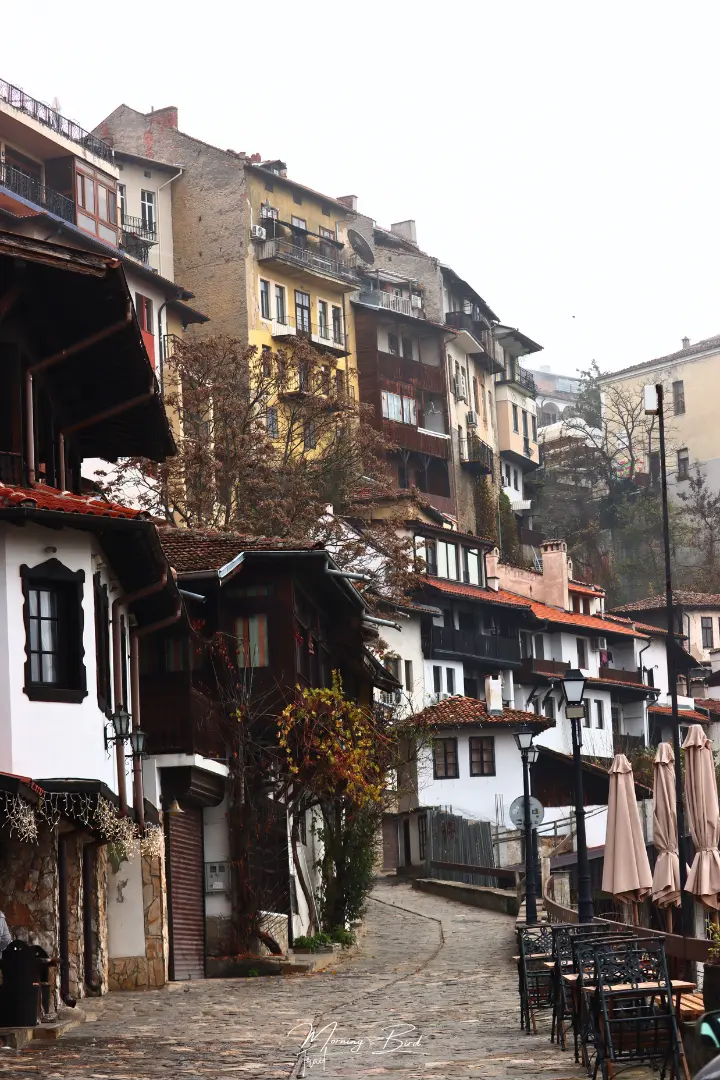
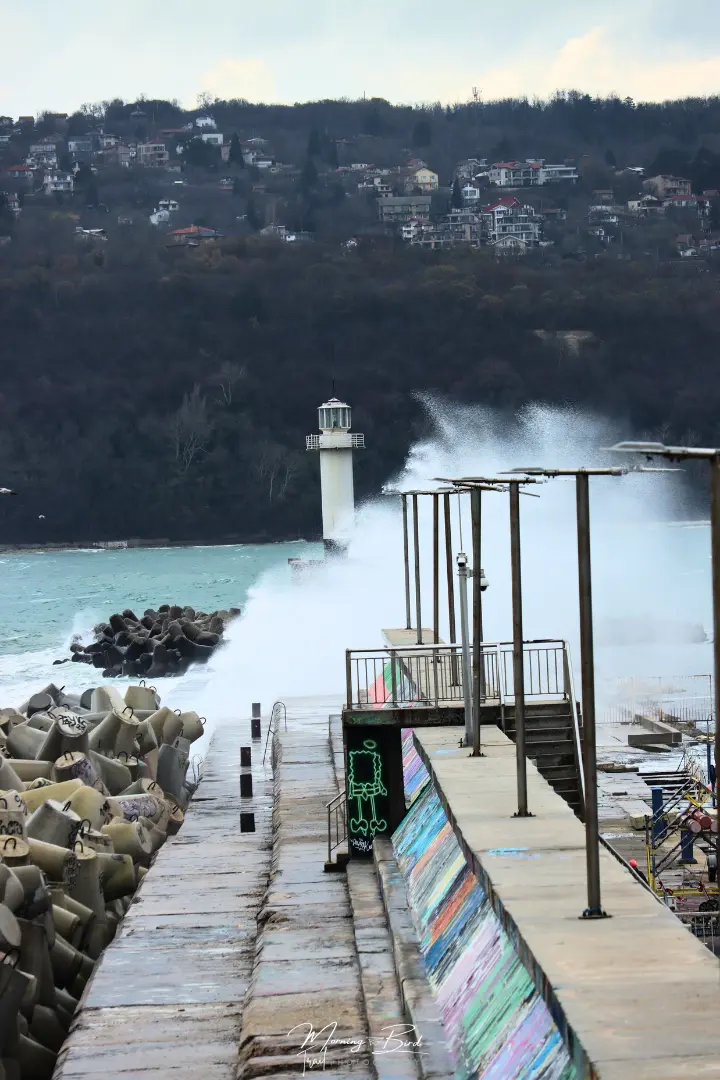
Then the buses and trains I took (so the four companies I mentioned on the previous section) I was able to buy the tickets on their websites. Note that MBus was somewhat of a struggle because the website tended to stop allowing me to just access the booking page… I’m not sure if it was due to my browser, but eventually I managed to do it.
Something that I noticed was that there were more options if you were going during the Summer than in December like I did - especially near the coast.
Itinerary
I’ve spent 8 days travelling around Bulgaria by public transport. I want to divide these 8 days in 2 parts. In the first part - the first 4 days - I had my base in Sofia. The last 4 days I stayed one night on each location.
Sofia will most likely be your entry point to the country, even though for example Varna also has an international airport. Sofia is also the most well-connected city in the country. From the airport, you have a metro that takes you to the city centre after around 30 min. This is a cheap and easy way to get to the city centre, but you can also take an uber.

Day 1 - Sofia - Rila monastery
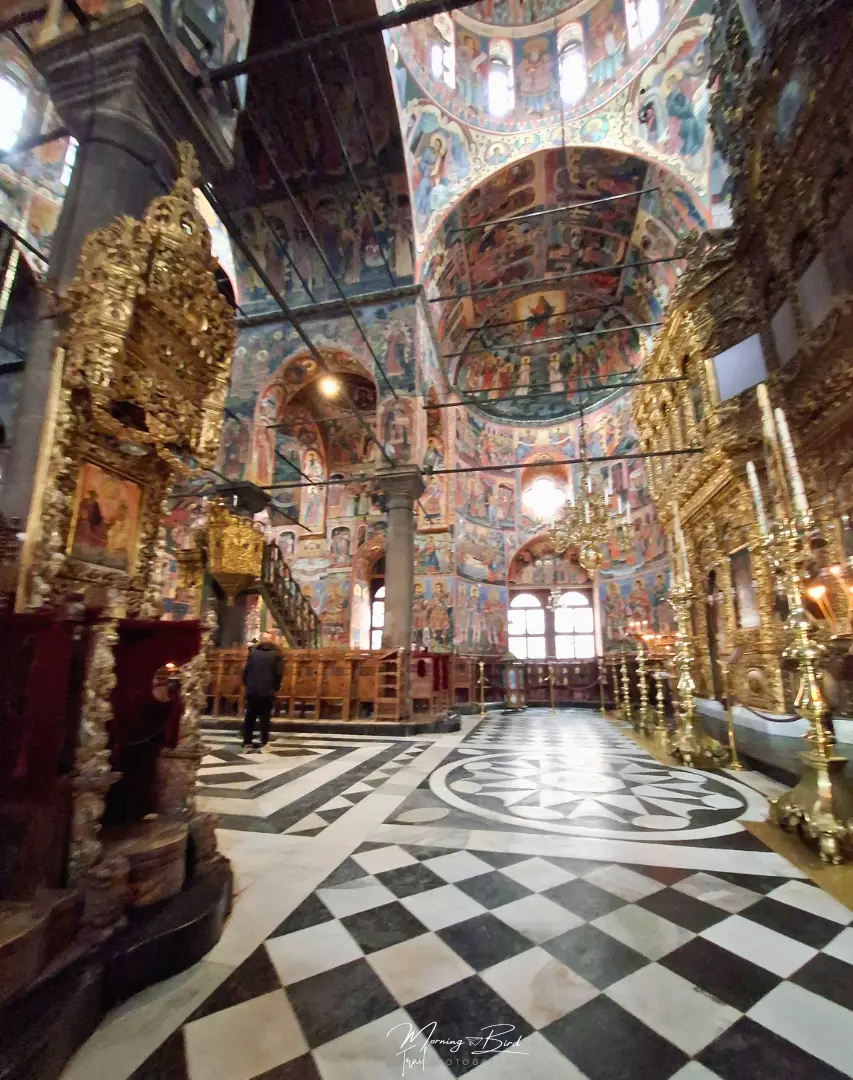
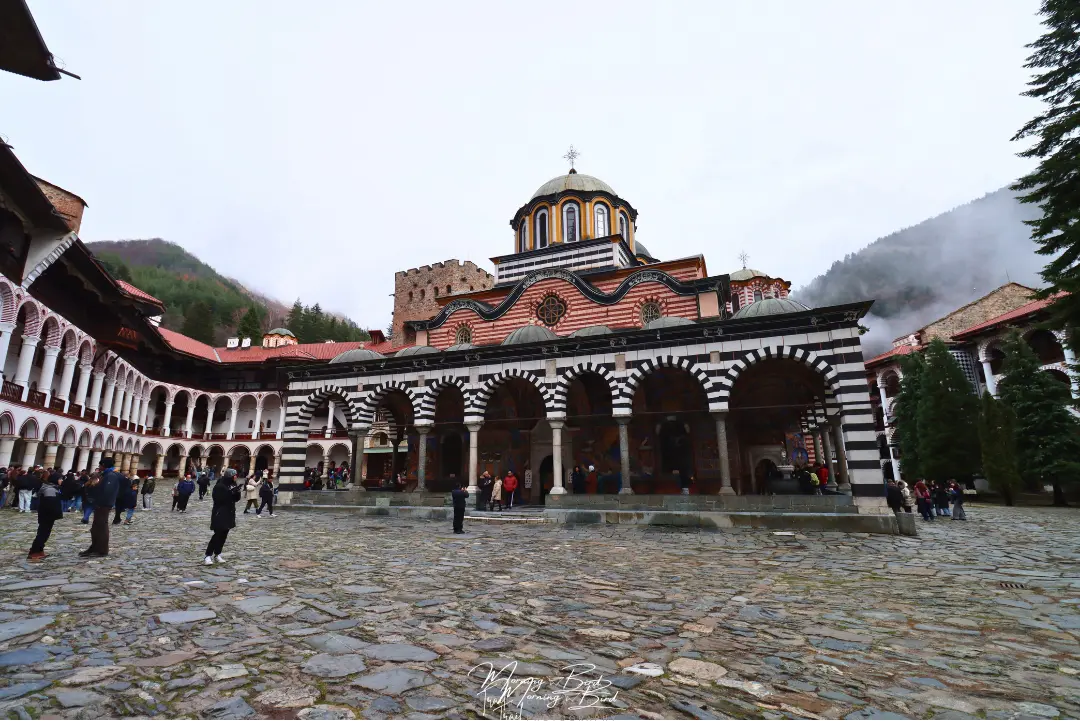
The first day of the itinerary was spent to visit the Rila monastery, which is one of the most popular day trips from Sofia. This tour can also be done with a hike of the 7 lakes of Rila natural park mountains or with a visit to Melnik town, near Greece.
Day 2 and 3 - Sofia
The next two days were used exploring the amazing city of Sofia, where different traditions and religions joint together peacefully in a single city. Sofia is also Europe’s oldest capital city. On the first day, we explored the city centre by joining this amazing free walking tour joining this amazing free walking tour which taught us a lot about the history and all the different eras that the city lived.
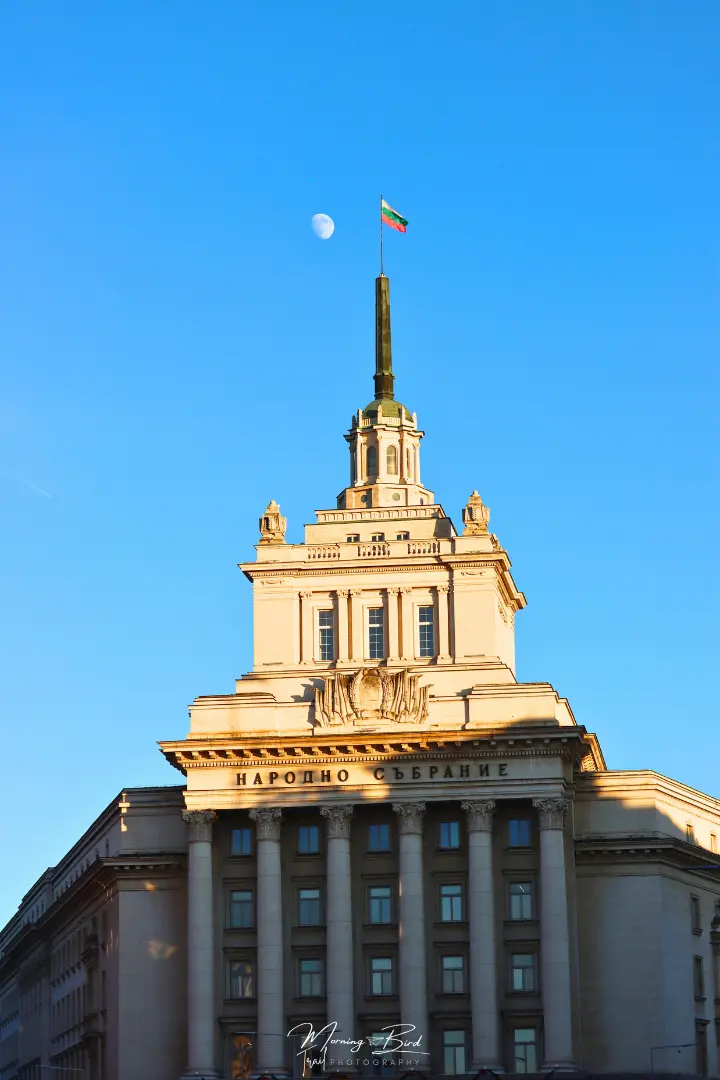
The main landmarks that you can explore in Sofia are the Cathedral St. Alexander Nevsky - the main orthodox church is Sofia-, the Regional History Museum of Sofia and it’s thermal waters, Archaeological remains of ancient Serdica and other historical points such as the Church of St. George.
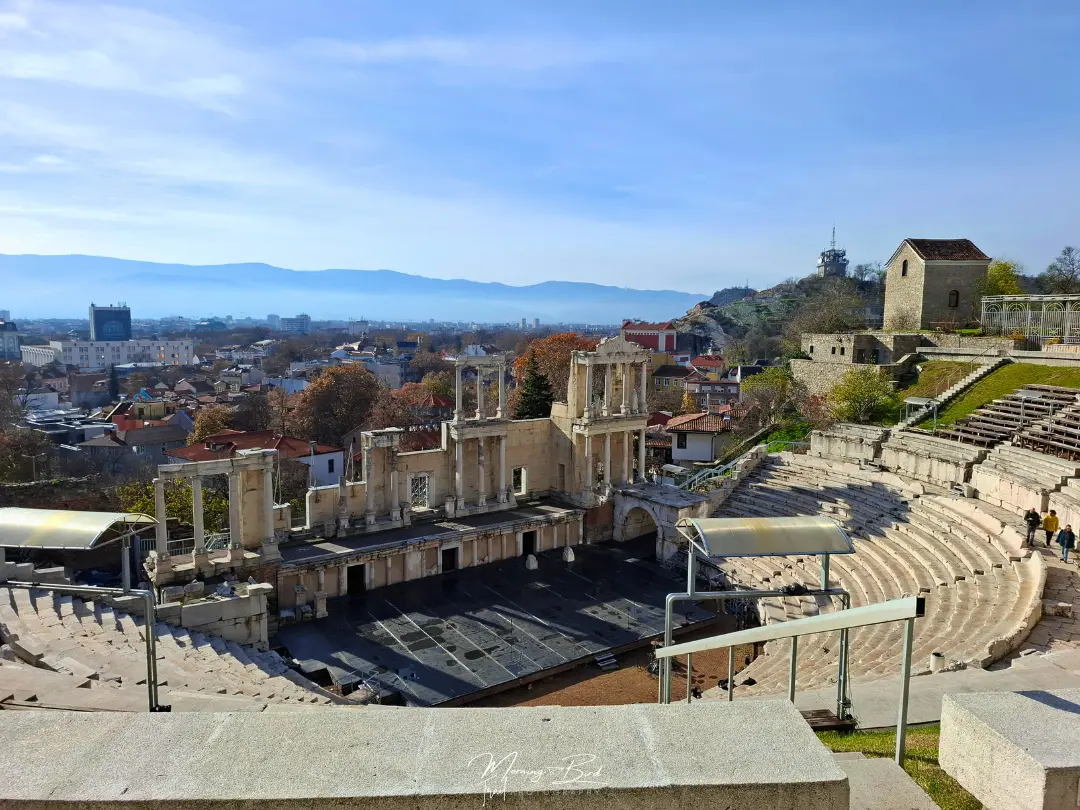
Day 4 - Plovdiv
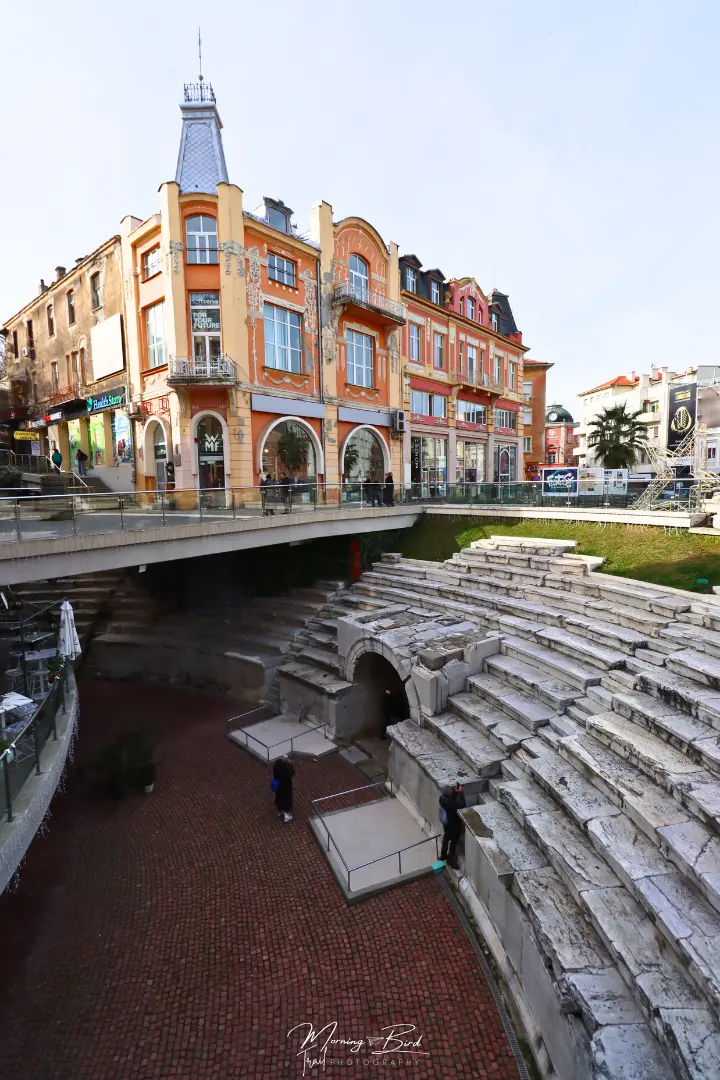
From Sofia to Plovdiv you can take a train or buses such with Union Ivkoni and Bulgarian Railways. However, what I found more efficient and that worked better with my schedule (besides being more cost-effective) was to take this amazing tour that will also take you to the adorable village of Koprivshtitsa, which highly recommend.
This tour had a wonderful guide and is a really great balance between guided visiting the places and independent exploration (which I did instead of going to lunch at a restaurant - so if you want to enjoy every second in Plovdiv, I honestly recommend bringing a sandwich or snacks instead).
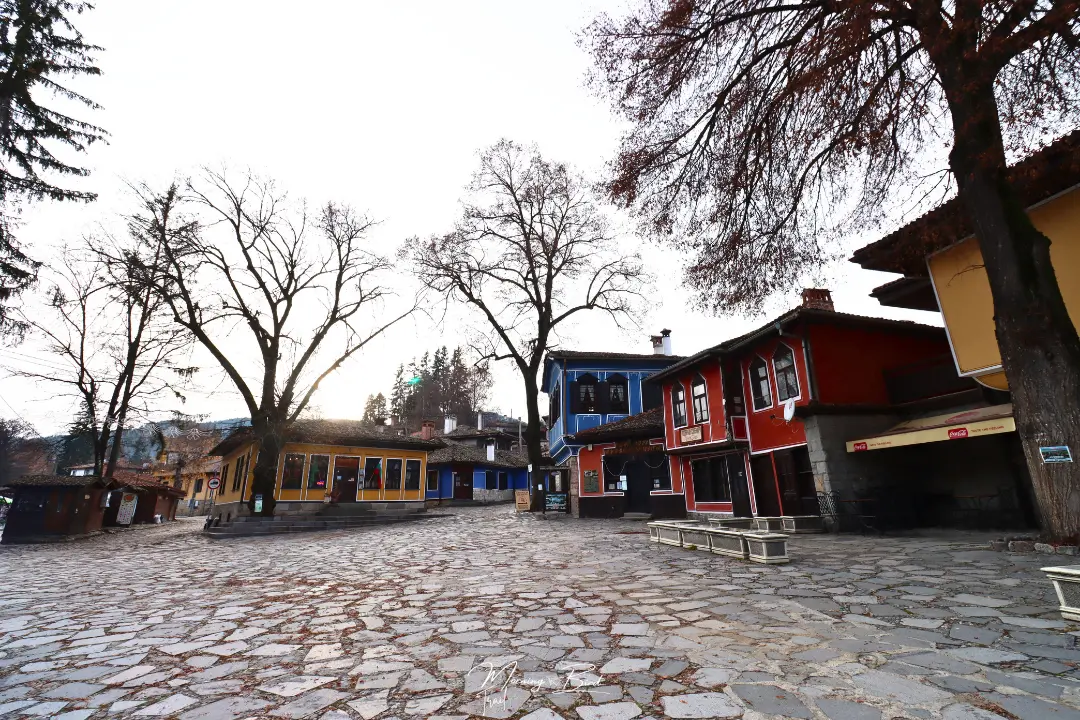
Koprivshtitsa Village
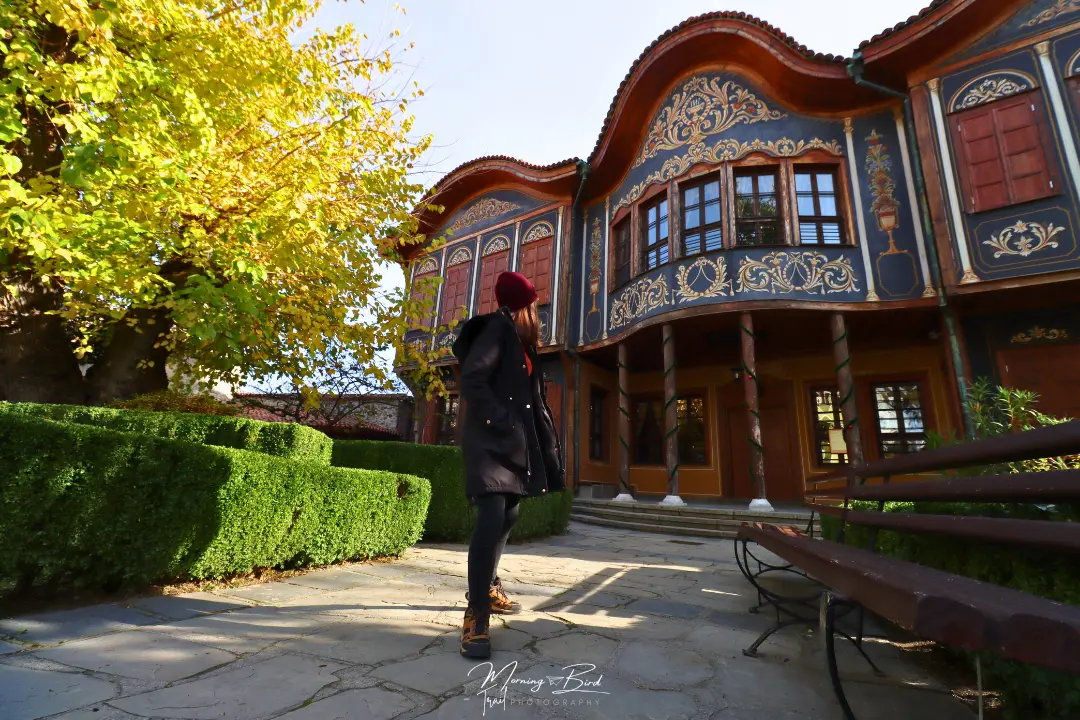
When returning to Sofia, we passed by the village of Koprivshtitsa. This was another lovely place which I really liked in my trip across Bulgaria. This town is nested in the Sredna Gora Mountains, so it tends to be much cooler than Sofia and Plovdiv. It is also home to several beautiful houses in the National Revival architecture style, including the House Museum “Todor Kableshkov” and the House Museum “Lyuben Karavelov”.
Day 5 - Veliko Tarnovo
The first lets say “proper” public transport I took (even though the tours are also using buses or shared vans) was on my trip from Sofia to Veliko. To achieve this, I took a bus using the company Biomet. This trip took 3h15 and costed me less than 15€.
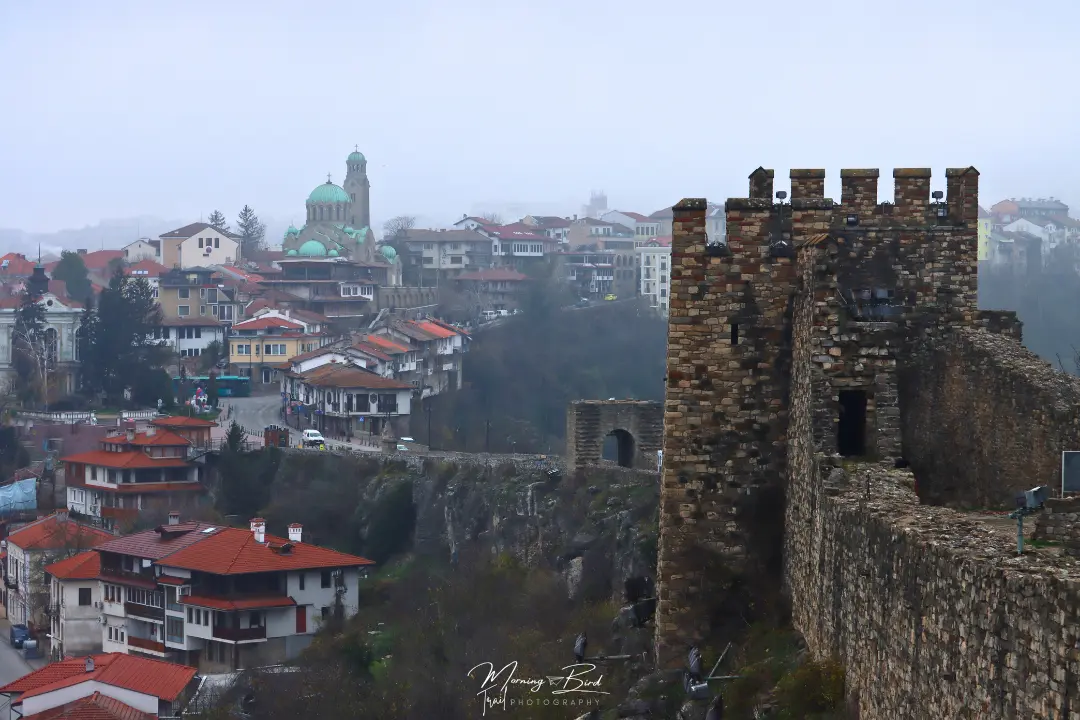
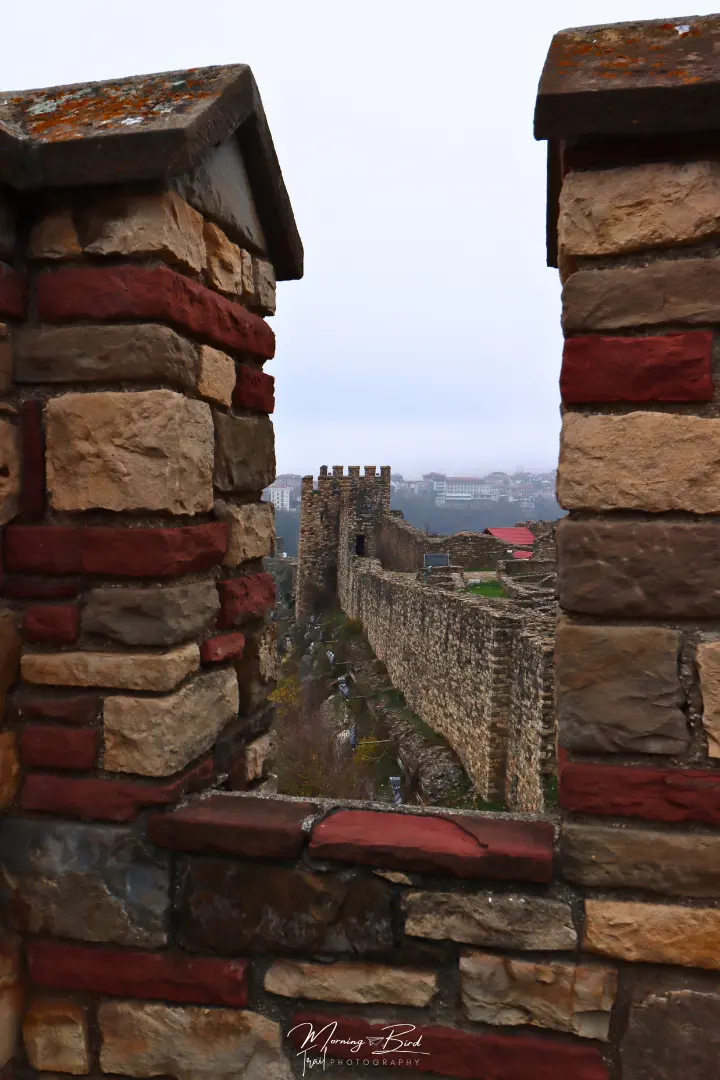
This town is located in the hills around the Yantra River and is one of the most historically significant cities in Bulgaria. Veliko Tarnovo was the capital city of medieval Bulgaria (between 12th and 14th century). The most impressive location in the town is the amazing Tsarevets Fortress and its panoramic views.
Day 6 - Burgas
From Veliko Tarnovo, you can use AlexOK. This will be another 3h20 trip. HOWEVER, make sure you go to the correct bus station, as it is not the same one you got to Veliko from Sofia! (That was my mistake, that made me have to skip Burgas all together). In my case, this was West bus station and not South Bus station, where Biomet gets to, but make sure you confirm this, as it is possible it has changed meanwhile!
Either way, the plan in Burgas was to visit the surroundings, namely Sozopol and Nessebar. However, these connections, specially to Nessebar, are a bit more tricky in winter than in summer, so that is something to keep in mind too.
Day 7 and 8 - Varna
From Burgas to Varna, I had bought a ticket on MBus. As a note, I then had to take a bus to Varna from Veliko instead of Burgas. This ticket was bought form Biomet, since it was the most comprehensible bus website I found.
In December, Varna is a bit… dead, most restaurants are close and streets are mostly empty. However, it was still a nice wondering around the city especially considering that several of the places such as the beach or the ruins, would be full of people in Summer.
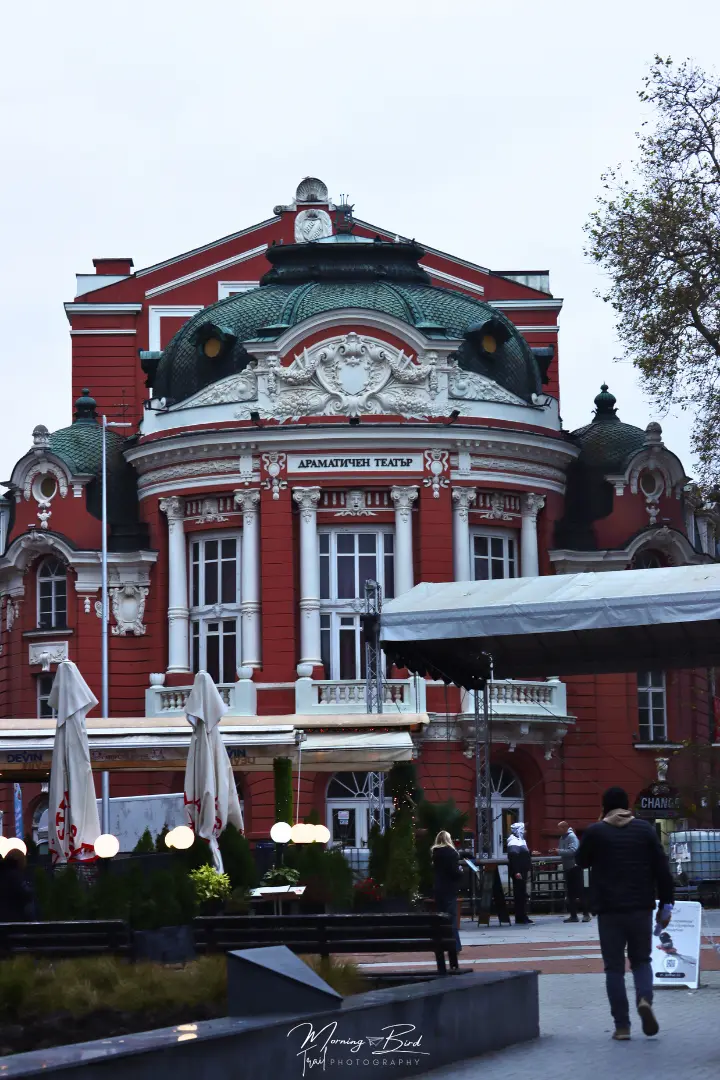
The most impressive landmark on the city is the Roman Thermae of Odessos, the largest ancient baths discovered in Bulgaria and among the largest in the Balkans. Dating back to the 2nd century AD, these impressive ruins provide a glimpse into the importance of ancient Odessos, the Roman city that existed where Varna exists today.
Common mistakes to avoid & practical tips
-
Confusing Train and Bus Stations Many Bulgarian cities have separate train stations and several bus stations, sometimes located several kilometres apart. Always check the exact departure location before travelling.
-
Relying Only on Google Maps: Google Maps is useful for navigation but does not always show accurate public transport schedules in Bulgaria, especially for regional buses.
-
Expecting Western European Train Standards: Bulgarian trains are inexpensive but can be older and slower than trains in countries like Germany, Austria, or Switzerland. For long distances, buses are often faster and more comfortable.
-
Not Learning Basic Cyrillic: It isn’t expected to learn how to read sentences, but knowing what some of the words you see in signs are is useful. Useful examples:
- София = Sofia
- Пловдив = Plovdiv
- Велико Търново = Veliko Tarnovo
- Варна = Varna
- Автобус = Bus
- Влак = Train
Final thoughts
Travelling through Bulgaria by public transport is not the easiest trip you’ll ever plan, but I promise it’s worth the effort. Yes, the different bus companies, the multiple stations and the schedules that don’t always add up can be frustrating at first, but once you get the hang of it you’re rewarded with a country that’s affordable, deeply historic and still refreshingly off the beaten path. From the churches of Sofia to the fortress of Veliko Tarnovo and the Roman ruins of Varna, every stop felt worth the little logistical puzzle it took to get there.
If there’s one thing I’d love you to take from this post, it’s that a bit of upfront planning goes a long way — and now you have my mistakes to learn from, so you can skip straight to enjoying the ride.
Now I’d love to hear from you! Have you travelled around Bulgaria by bus or train, or are you planning to? Do you have a favourite route, a company that worked well for you, or a question about a connection I didn’t cover? Drop a comment below — I read every single one, and your tips might just help the next traveller planning this trip. 👇
Pin for later!
Was this guide helpful?
Thanks for your feedback! 💛

Comments