
One Week in Bulgaria: Sofia to the Black Sea Itinerary
Disclosure: Some of the links below are affiliate links, meaning, if you click through to make a purchase, I earn a small commission – at no extra cost to you!
Bulgaria may not be the first destination that comes to mind when planning a European trip, but it has everything from ancient Roman ruins and medieval fortresses to picturesque mountain monasteries and beautiful Black Sea beaches. This one-week itinerary takes you through some of the country’s most iconic destinations, offering a great mix of history, culture, nature, and local cuisine.
While the itinerary is fairly fast-paced, it’s designed to give first-time visitors a well-rounded introduction to Bulgaria. Whether you’re planning a road trip or relying on public transport, you’ll discover why this underrated destination deserves a spot on your travel bucket list.
Overview
Best time to visit
I’d recommend visiting in May, June, or September. These months offer pleasant temperatures, fewer crowds, and ideal conditions for sightseeing and road trips. July and August are perfect if you’re planning to spend more time on the Black Sea coast, but expect higher temperatures and busier beaches. Spring and early autumn strike the best balance between comfortable weather and a more relaxed travel experience. December, when I was there, was frequently cold, rainy and dark but less busy than higher seasons.
Should you rent a car?
Renting a car is the option that gives you the most flexibility when travelling in Bulgaria, allowing you to travel at your own pace and stop at scenic viewpoints along the way.

That said, you don’t need a car to explore Bulgaria. The country has an extensive network of buses and trains connecting major destinations like Sofia, Plovdiv, Veliko Tarnovo, Burgas, and Varna.
One-week Bulgaria itinerary
I’ve spent 8 days travelling around Bulgaria. I want to divide these 8 days in 2 parts. In the first part - the first 4 days - I had my base in Sofia. The last 4 days I stayed one night on each location.
Sofia will most likely be your entry point to the country, even though for example Varna also has an international airport. Sofia is also the most well-connected city in the country. From the airport, you have a metro that takes you to the city centre after around 30 min. This is a cheap and easy way to get to the city centre, but you can also take an Uber.
Days 1–3 - Sofia (+ Rila Monastery day trip)
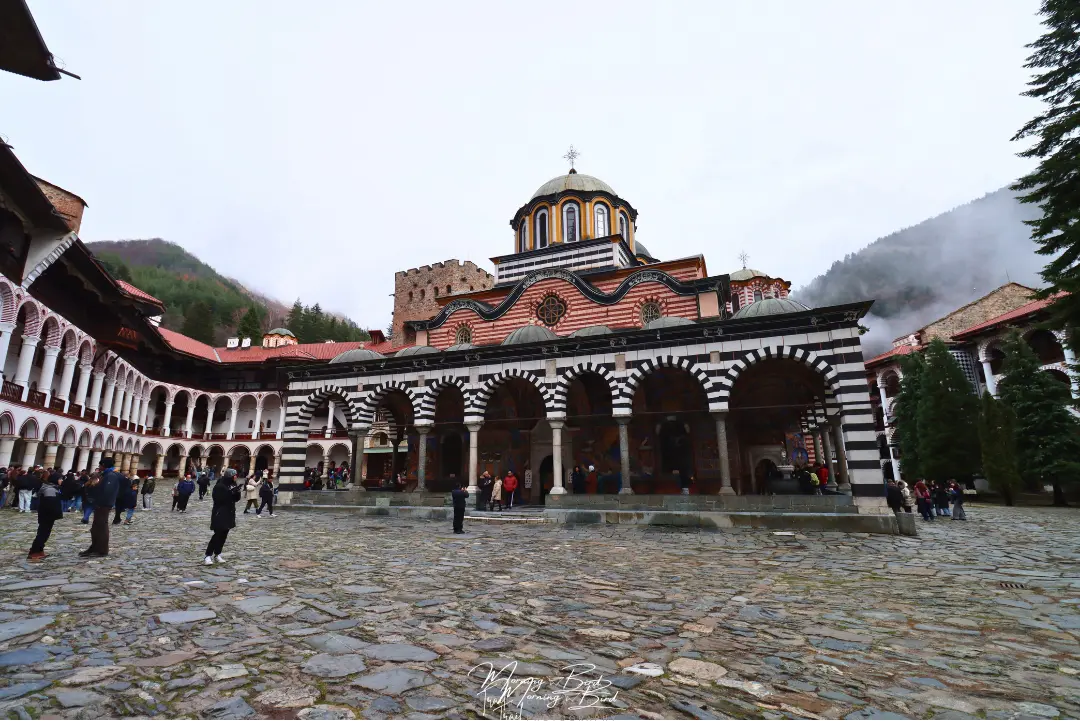
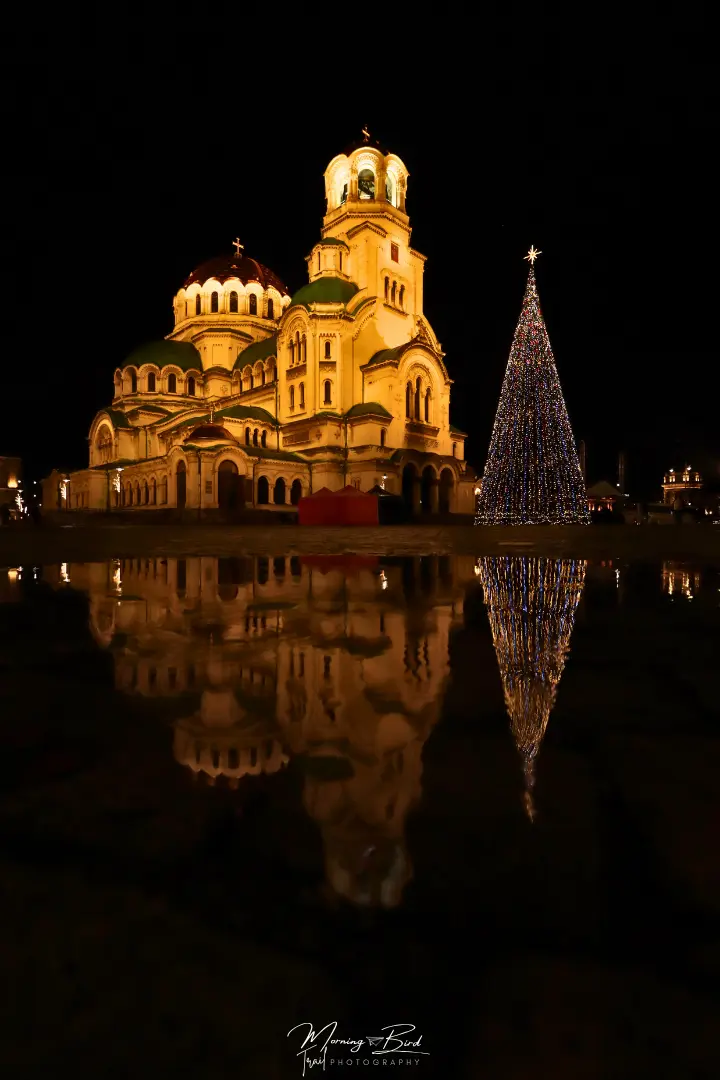
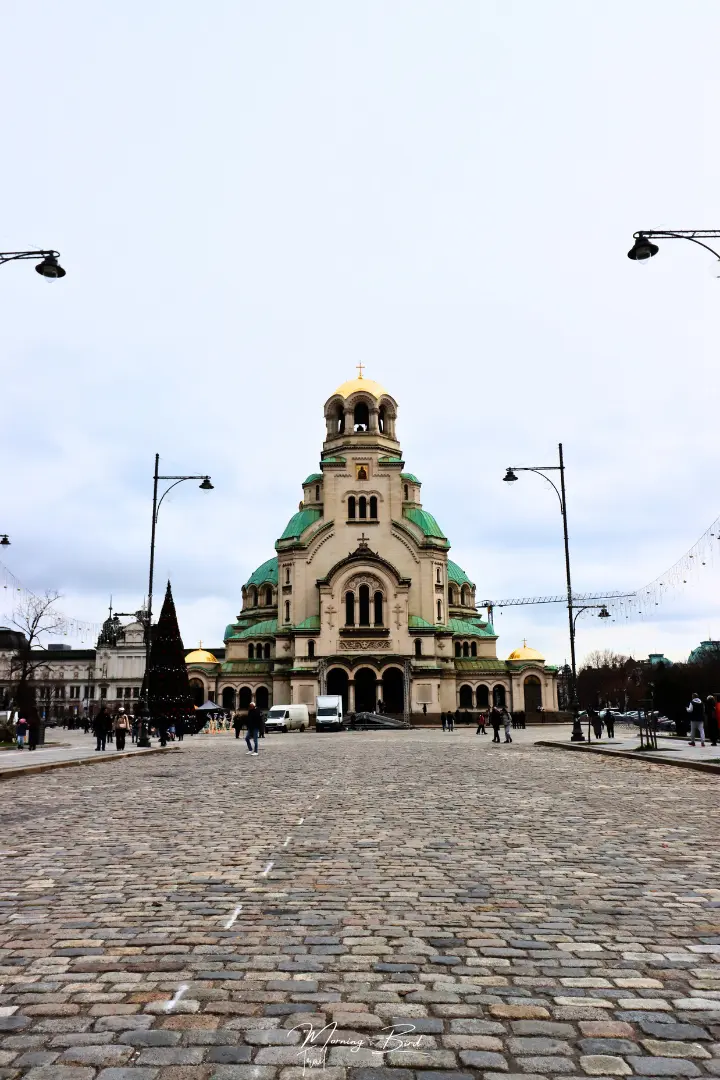
Base yourself in Sofia for the first few days. Sofia is Europe’s oldest capital and a place where an orthodox cathedral, a mosque, a synagogue and 2,000-year-old Roman ruins all sit within a few minutes’ walk of each other. On your first day, take the hugely popular day trip up to the colourful Rila Monastery in the mountains, then spend the next two days exploring the city itself — the St. Alexander Nevsky Cathedral, the ancient Church of St. George, the Banya Bashi mosque, the ruins of Serdica, and the restaurants along Vitosha Blvd.
Day 4 - Plovdiv
Next stop in this trip is a day trip from Sofia to Plovdiv. There is plenty to do in Plovdiv and I would recommend considering staying a night. However, what I found more efficient and that worked better with my schedule was to take this amazing tour that will also take you to the adorable village of Koprivshtitsa.
This tour had a wonderful guide and is a really great balance between guided visiting and independent exploration (which I did instead of going to lunch at a restaurant, so if you want to enjoy every second in Plovdiv, I honestly recommend bringing a sandwich or snacks).
Both Plovdiv and Koprivshtitsa were such a highlight of this trip, a lot due to this tour (and the weather), that I can’t recommend it enough. The guide was really engaging and the tour very well organized.
What to see
-
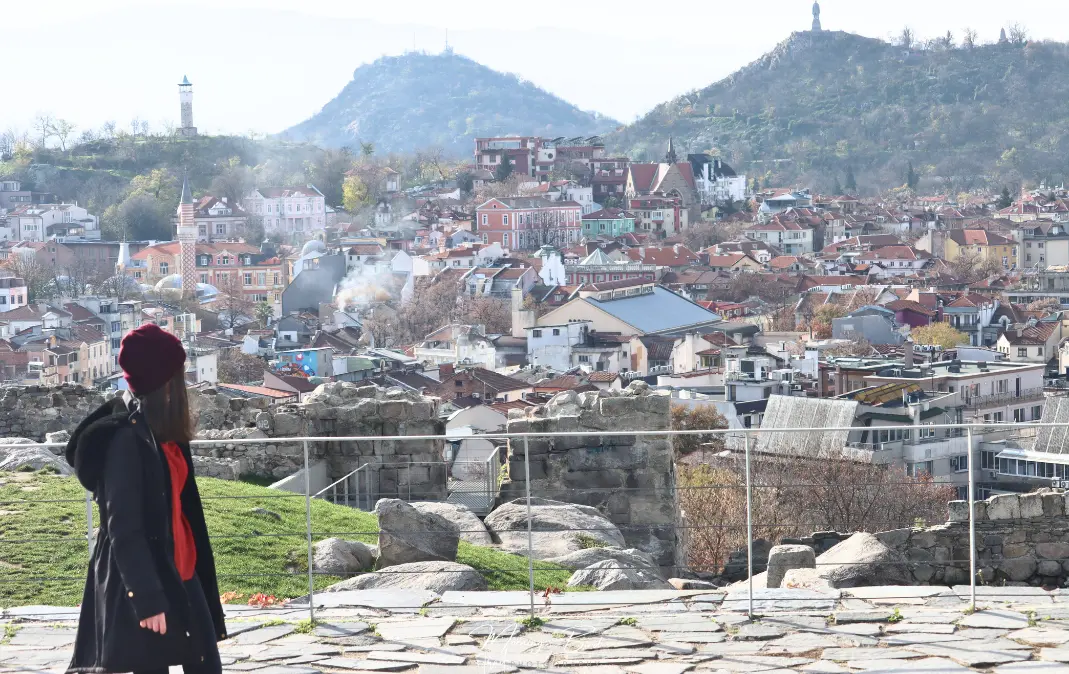
Ancient Theatre of Philippopolis - This is one of the best-preserved Roman theatres. It is still used nowadays for concerts and performances, which is very impressive since it dates back to the 1st century AD. Besides, you can get some nice views to the city from there.
-
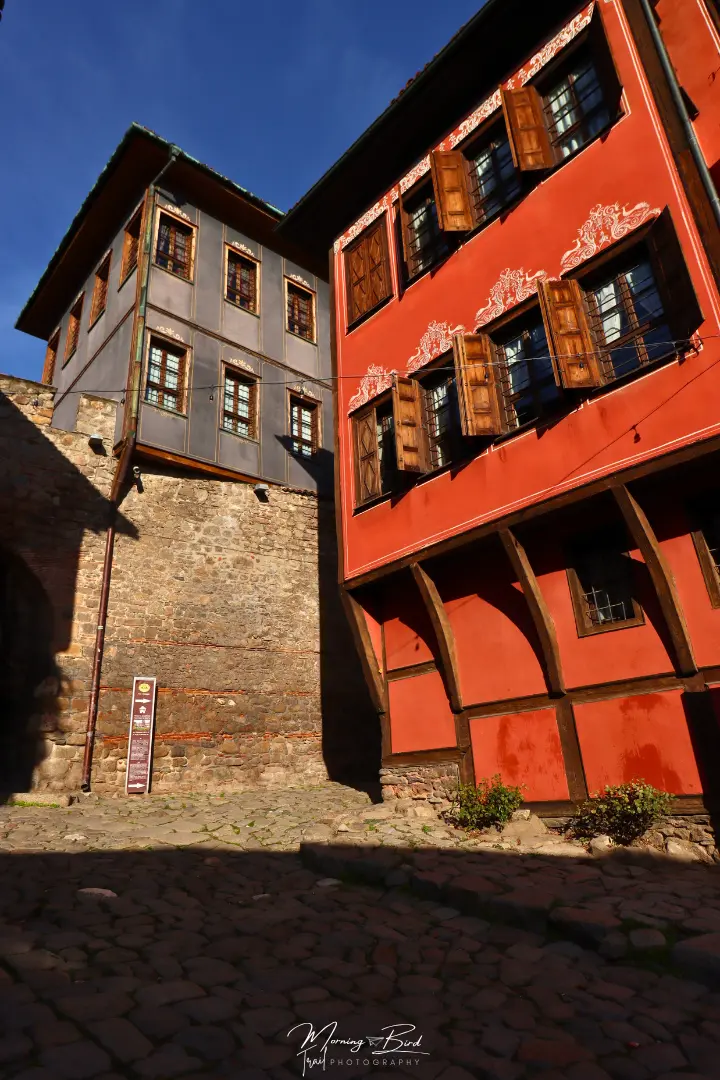
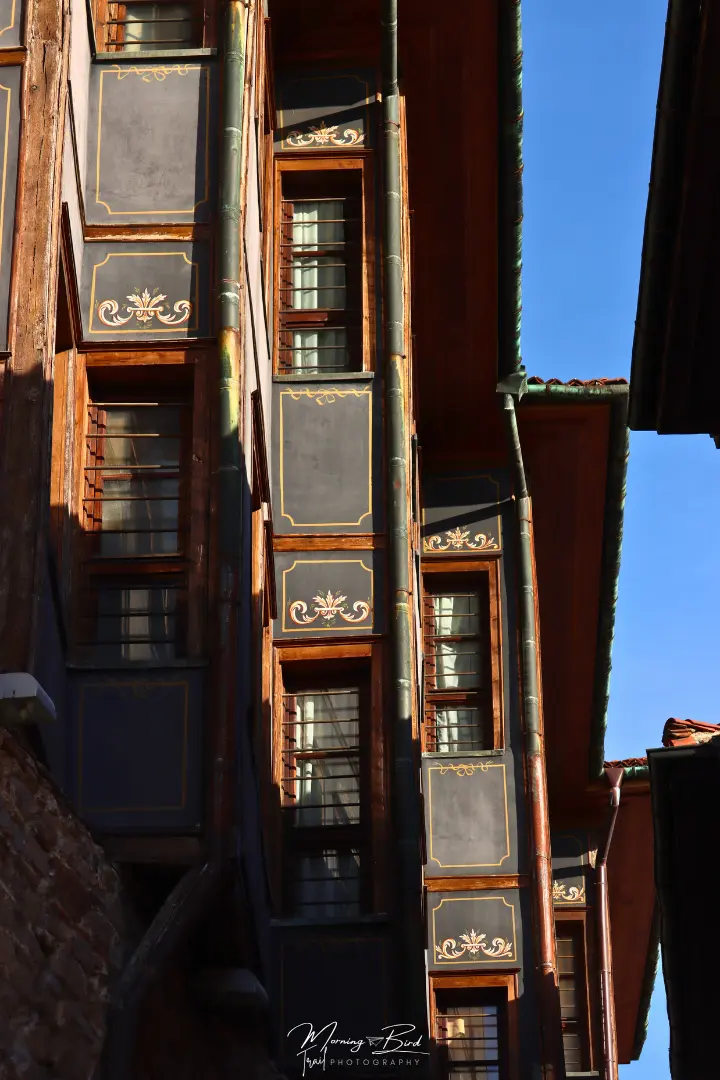
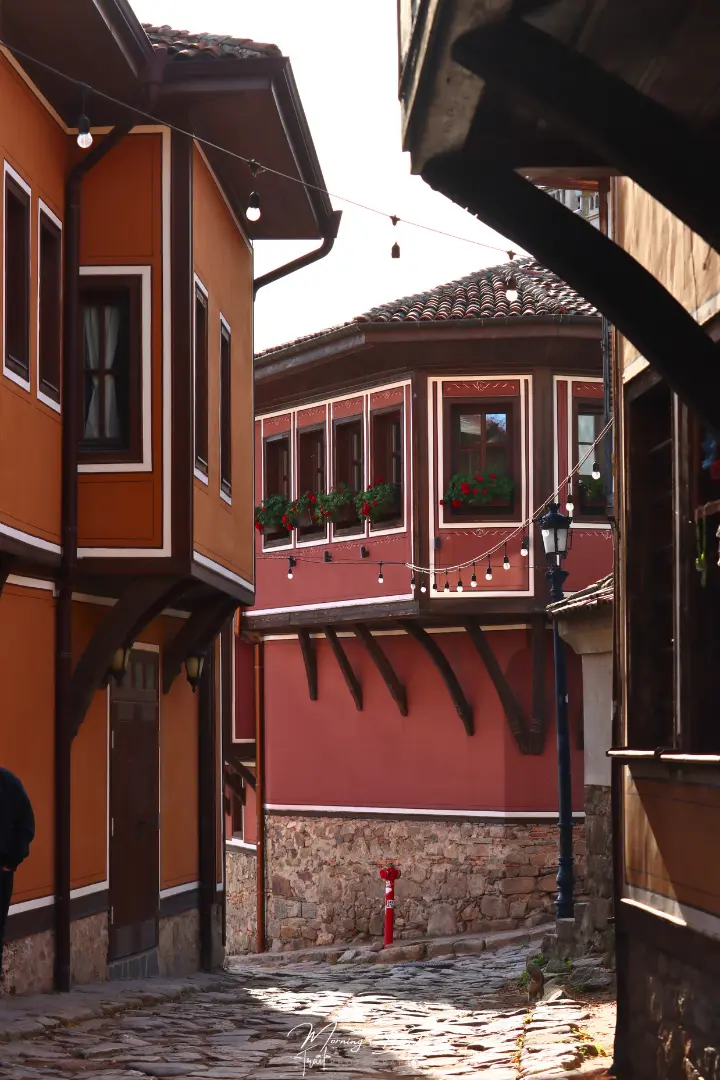
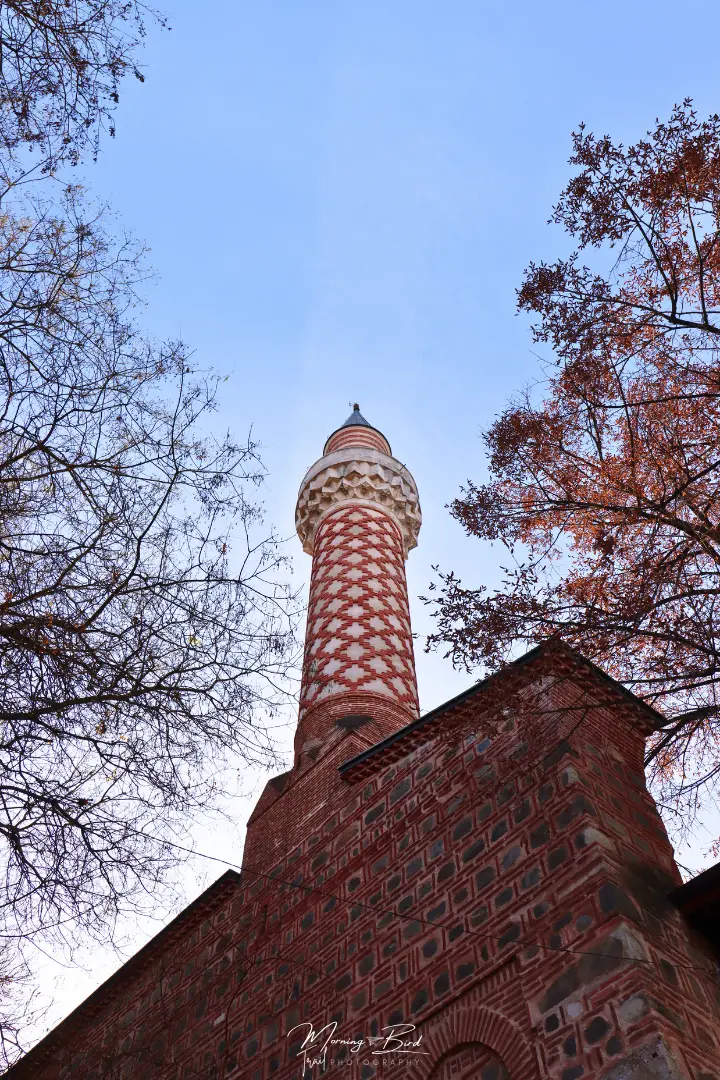
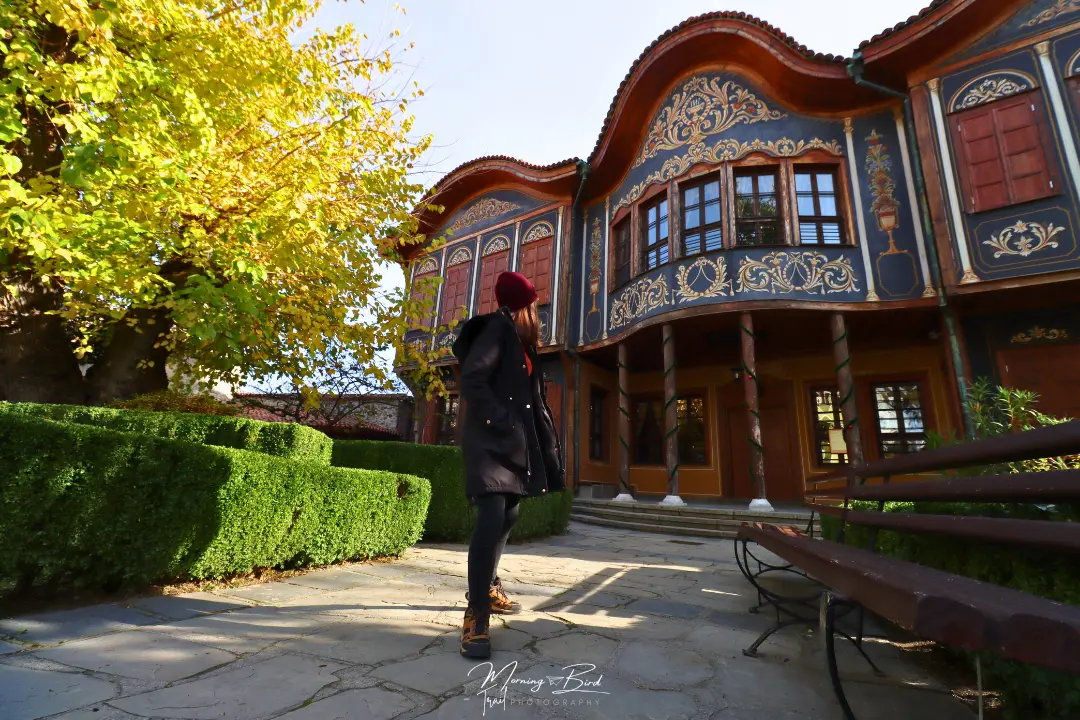
Old Town of Plovdiv - This is such a beautiful old town with cobblestone streets lined with incredible Bulgarian revival houses, charming courtyards and museums - also keep your eyes sharp to spot adorable feline friends wandering around as well.
-
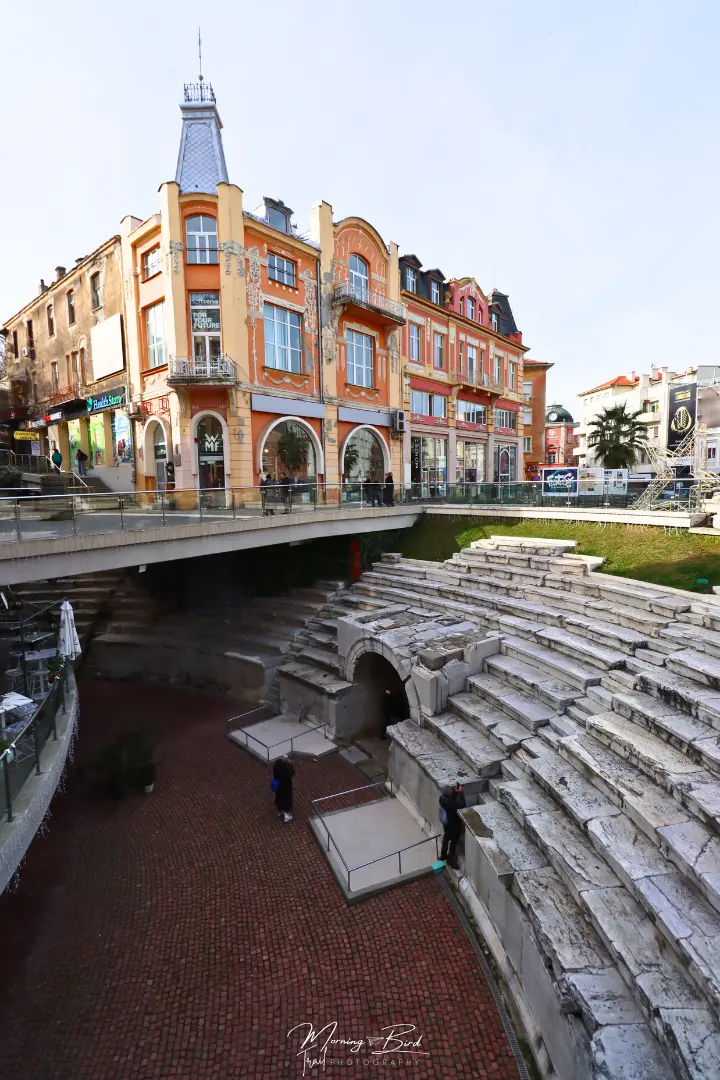
Roman Stadium of Philippopolis - This is located below the main shopping street of the town and thus is mostly not excavated. However, the part that is and that you can actually visit, consists of the entry to the stadium through where the Romans used to enter.
-
Regional Ethnographic Museum Plovdiv - Housed in the beautifully restored Kuyumdzhioglu House, this museum is one of Bulgaria’s finest examples of National Revival architecture. Its exhibitions showcase traditional costumes, crafts, furniture, and everyday life, providing insights into Bulgarian culture and customs.
-
Nebet Tepe Viewpoint - This is one of the 7 hills around the town and the site of the earliest settlements. Here you can both explore the archaeological remains of a fort and appreciate the panoramic views over the city. This is one of the best spots to watch the sunset in Plovdiv.
-
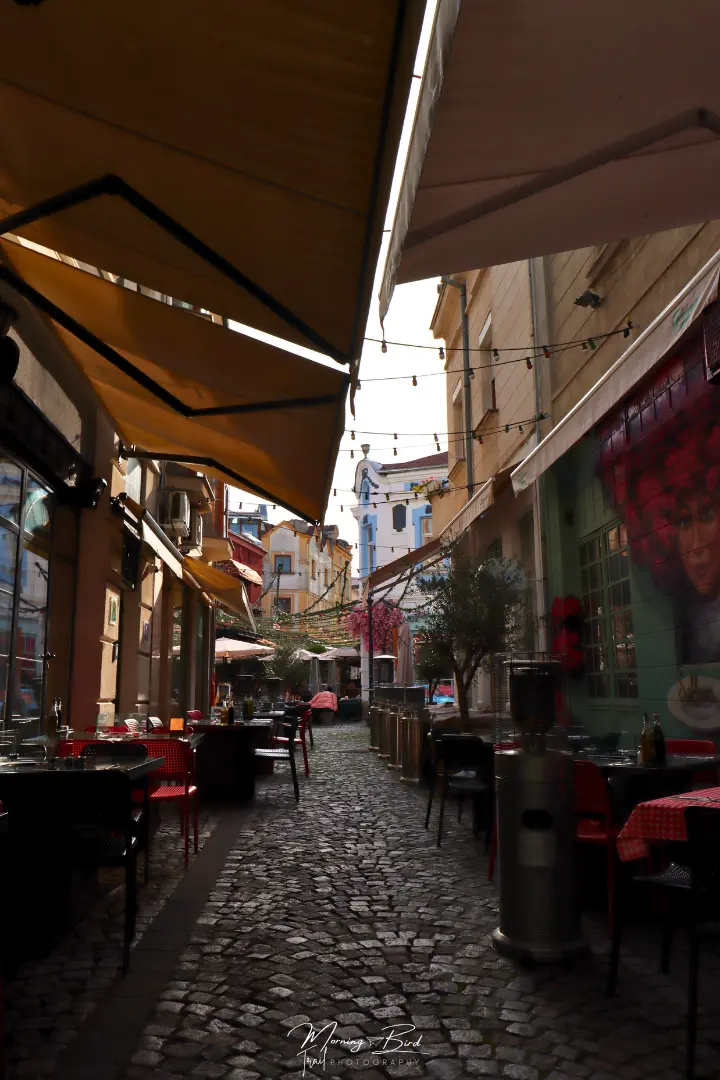
Kapana Creative District - Also known as “The Trap” this lovely neighbourhood near the Roman stadium, is filled with cafés, craft beer bars, street art and artisan shops.
If you have more time, I do recommend considering staying a night in Plovdiv and explore it with more calm since the tour is quite fast pace, which I like but not everyone does. You can still add Koprivshtitsa to your itinerary with, for example, this tour.
Koprivshtitsa Village
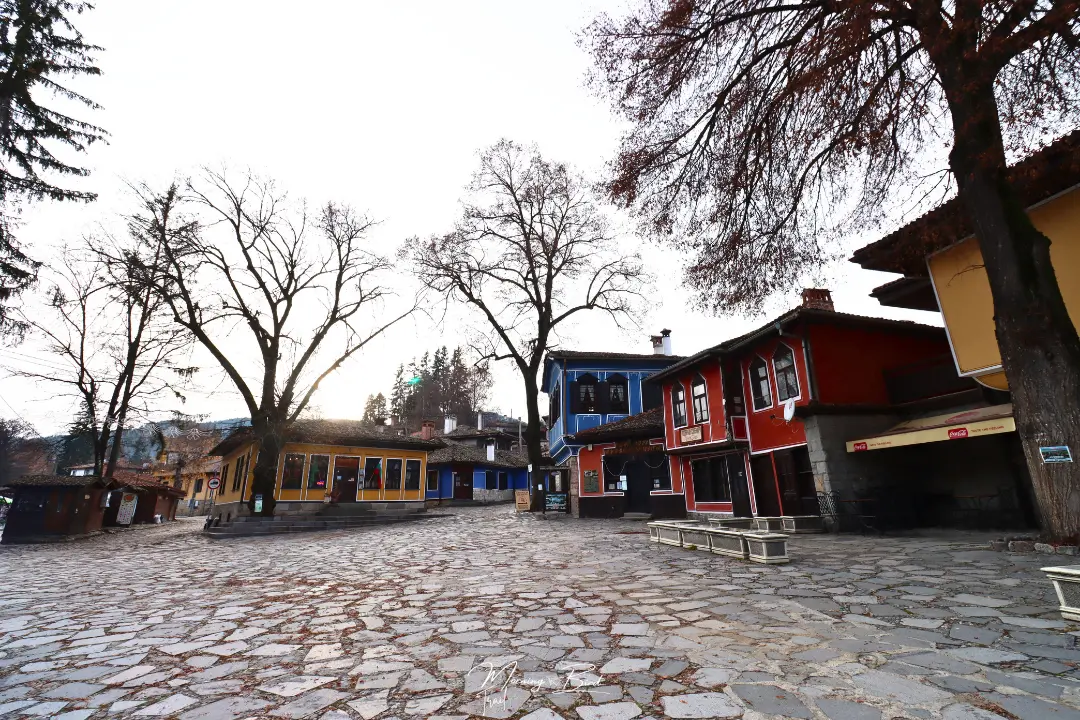
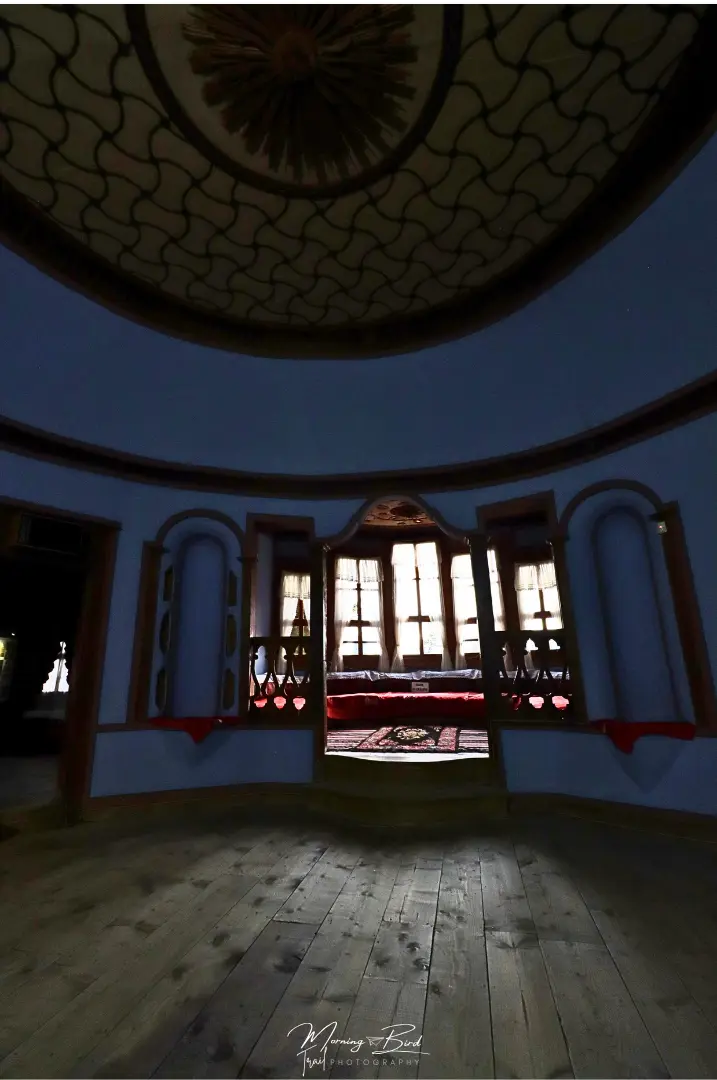
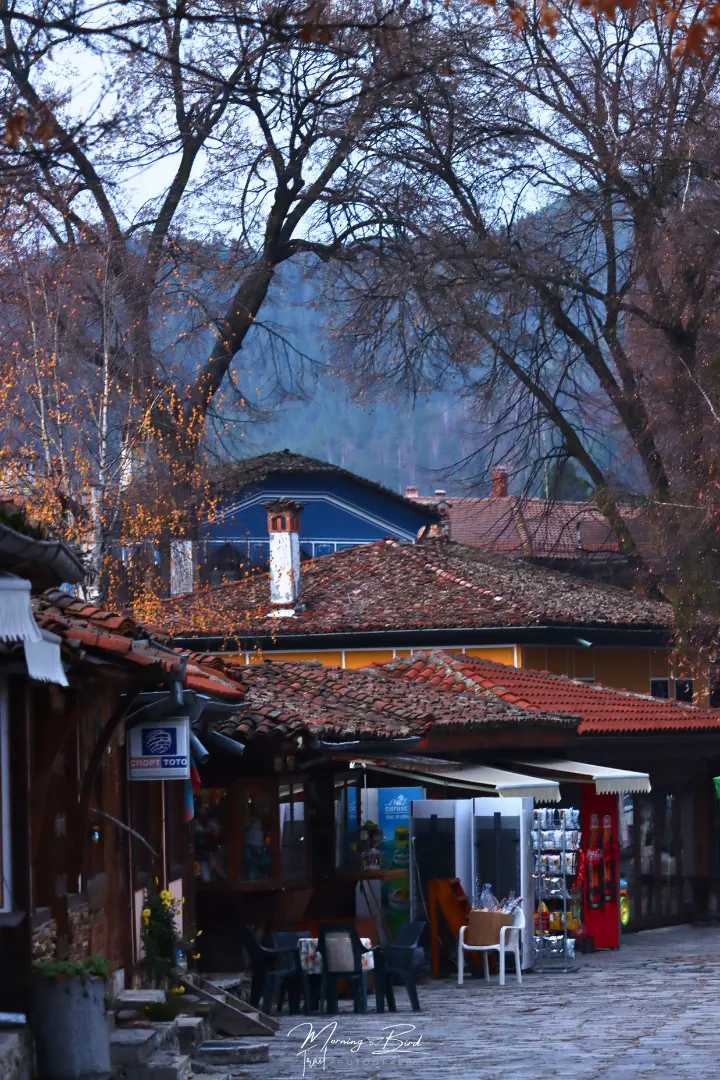
When returning to Sofia, we passed by the village of Koprivshtitsa. This was another lovely place which I really liked in my trip across Bulgaria. This town is nested in the Sredna Gora Mountains, so it tends to be much cooler than Sofia and Plovdiv. It is also home to several beautiful houses in the National Revival architecture style, including the House Museum “Todor Kableshkov” and the House Museum “Lyuben Karavelov”.
Day 5 - Veliko Tarnovo
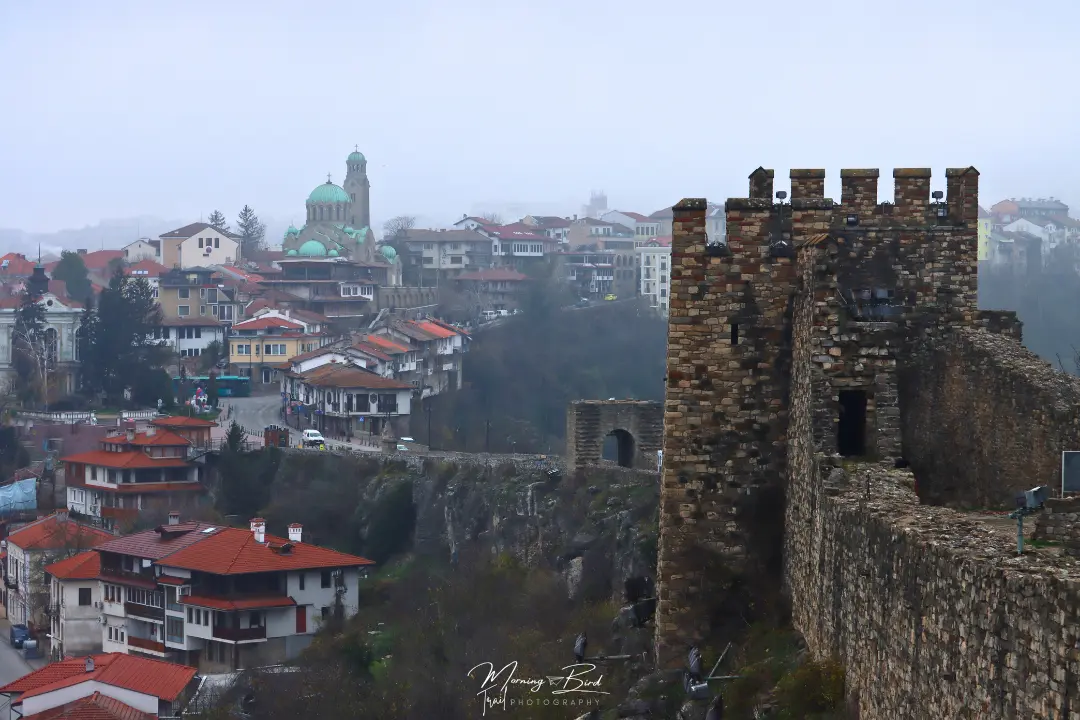
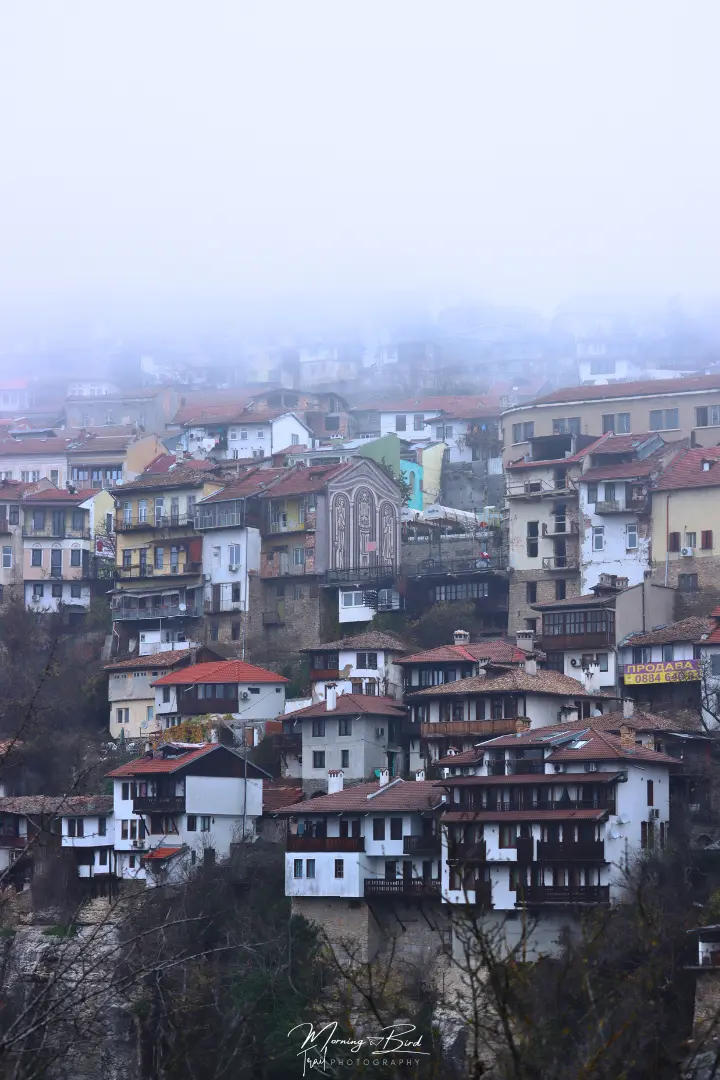
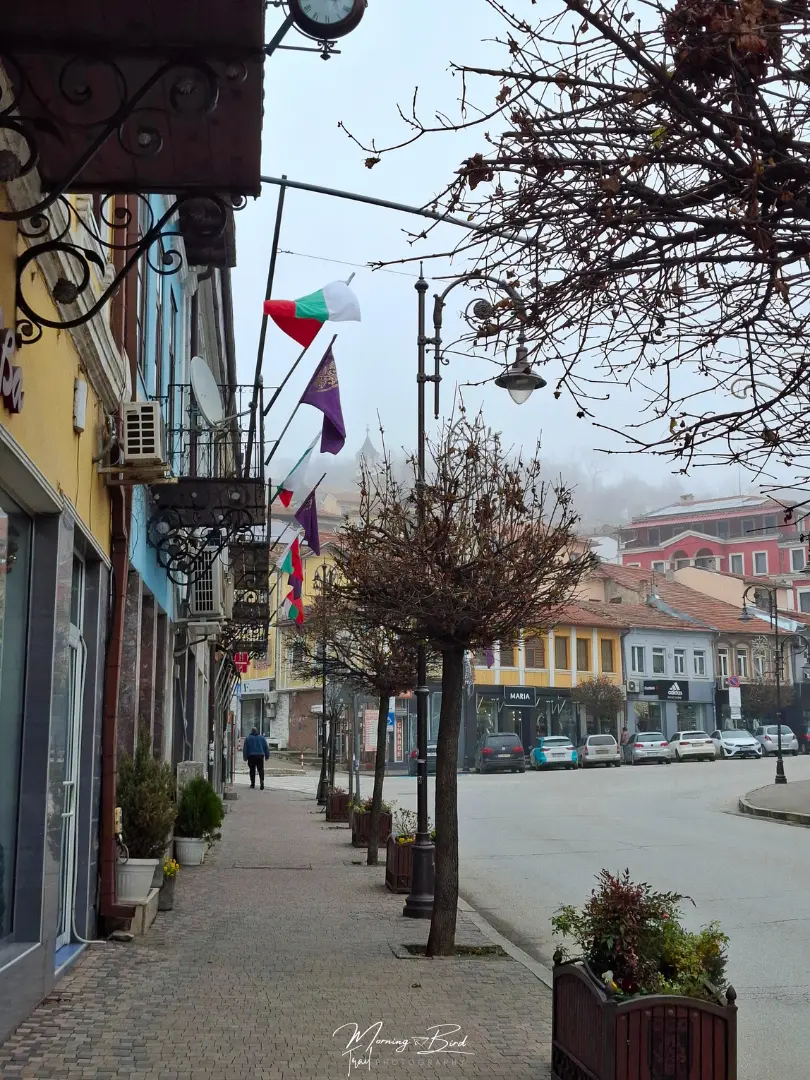
Veliko Tarnovo is located in the hills around the Yantra River and is one of the most historically significant cities in Bulgaria. Veliko Tarnovo was the capital city of medieval Bulgaria (between 12th and 14th century). The most impressive location in the town is the amazing Tsarevets Fortress and its panoramic views. An interesting thing is that from April to November, you can also do a free walking tour every day.
If you don’t want to figure out the transport connections to Veliko Tarnovo yourself — which I explain in my post on travelling Bulgaria by public transport — you can also book a guided tour to Veliko Tarnovo.
What to see
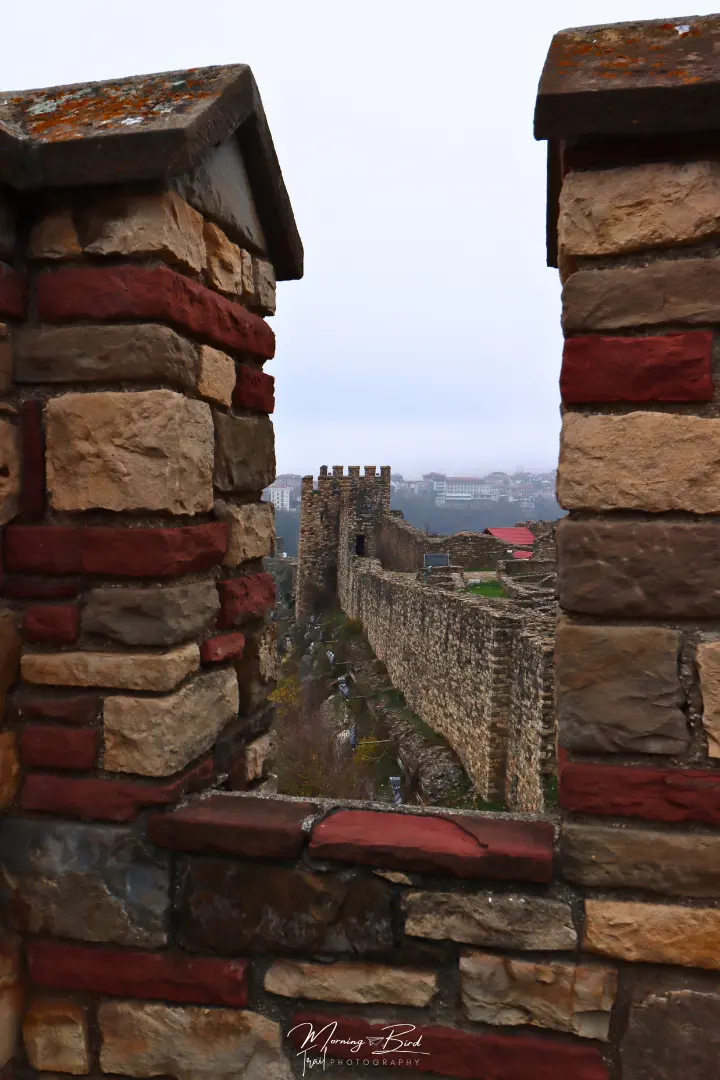
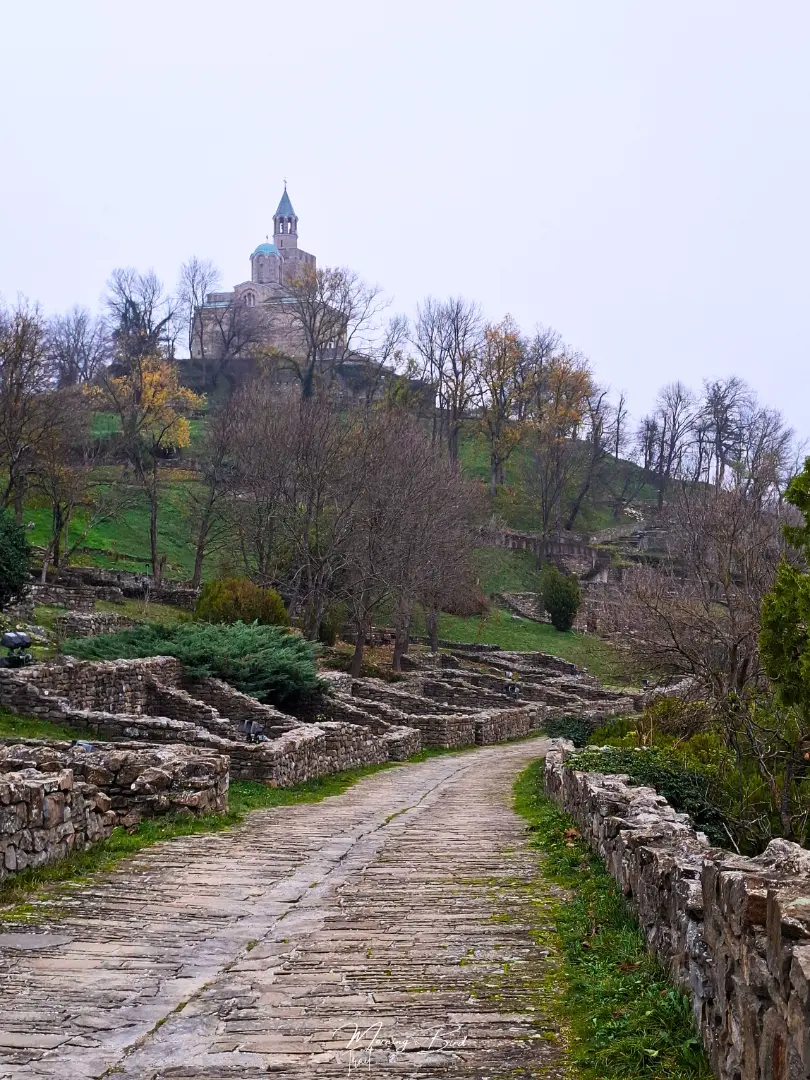
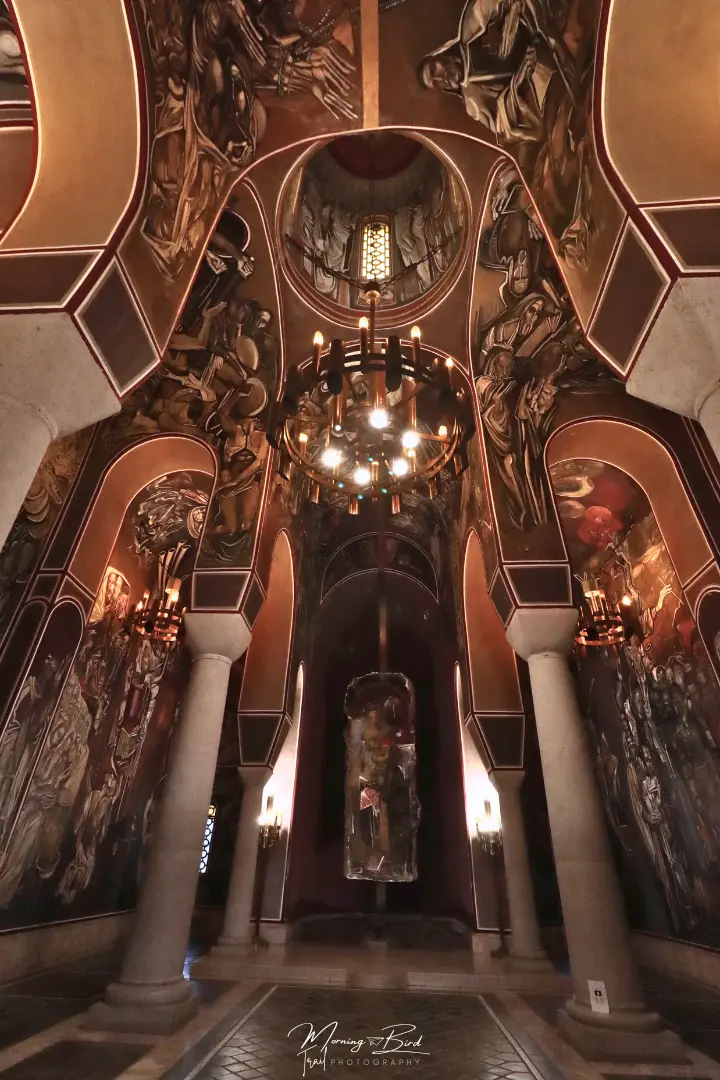
- Tsarevets Fortress - This is absolutely the highlight landmark of Veliko Tarnovo. Tsarevets Fortress was the political and spiritual centre of the Second Bulgarian Empire between the 12th and 14th centuries. You can explore the entire thing including the ruins of old houses and at points it makes you go back in time and feel as if you are walking the village’s streets.
-
Trapezitsa Fortress - Situated on a nearby hill opposite Tsarevets, Trapezitsa was another important fortress and religious centre of medieval Tarnovo that was recently restored.
-
Samovodska Charshiya - This historic crafts street is one of the most charming areas of the city. Once a bustling market during the Bulgarian Revival period, it is now home to traditional workshops, souvenir shops, art galleries, and small cafés. It is a great place to see local crafts such as pottery, wood carving, and handmade textiles.
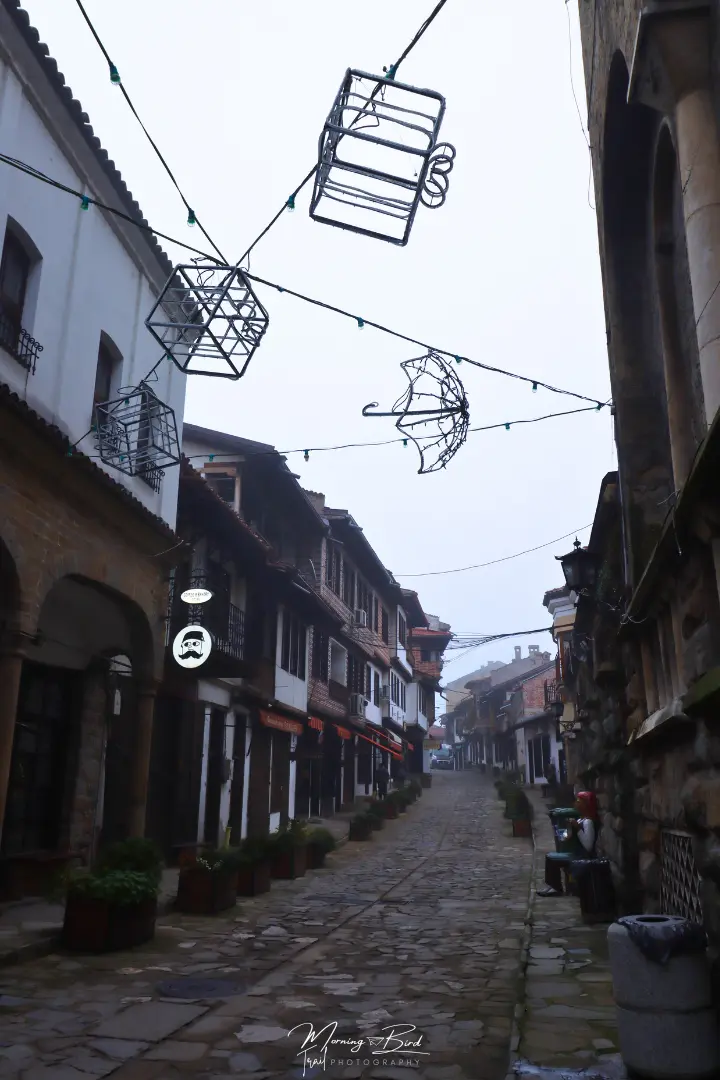
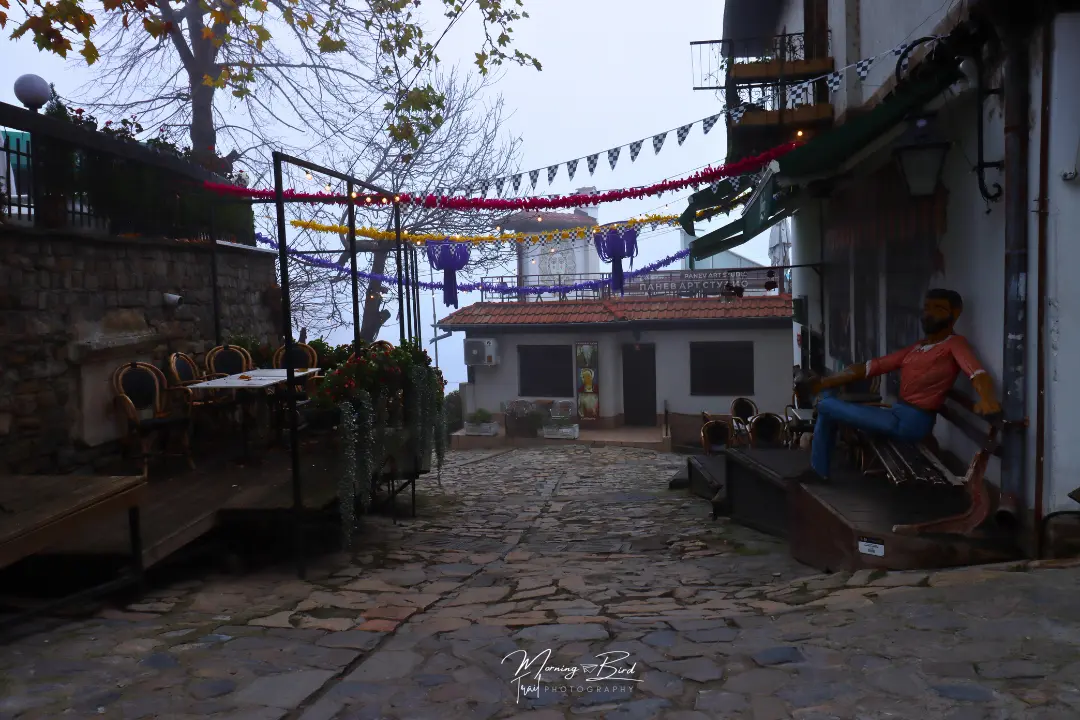
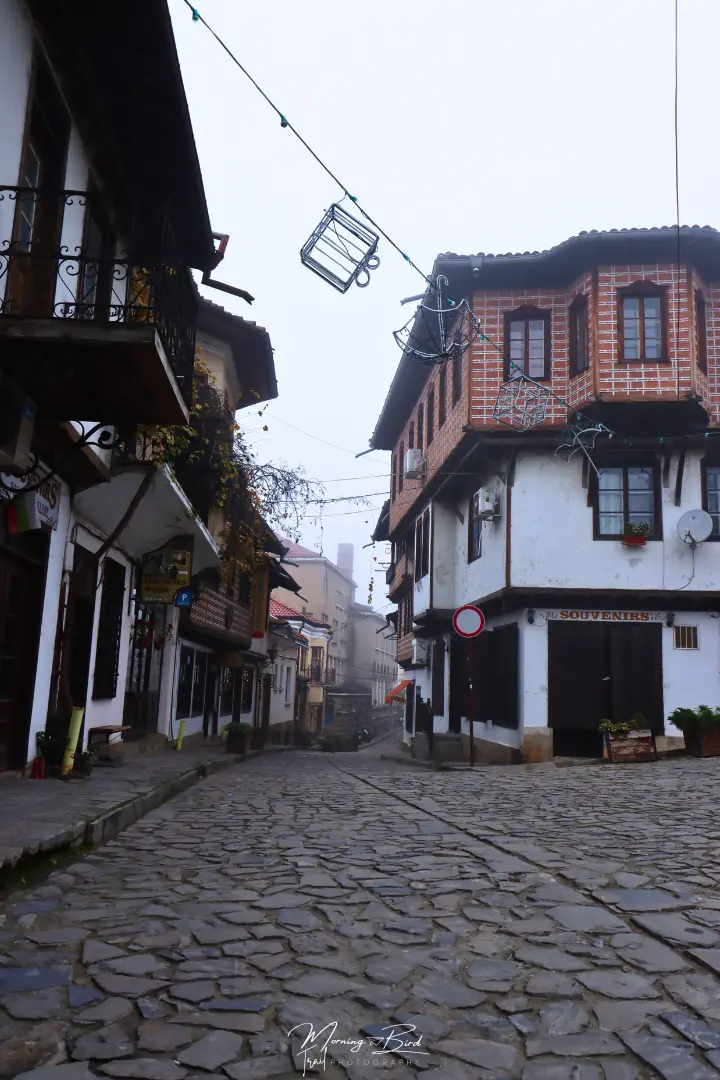
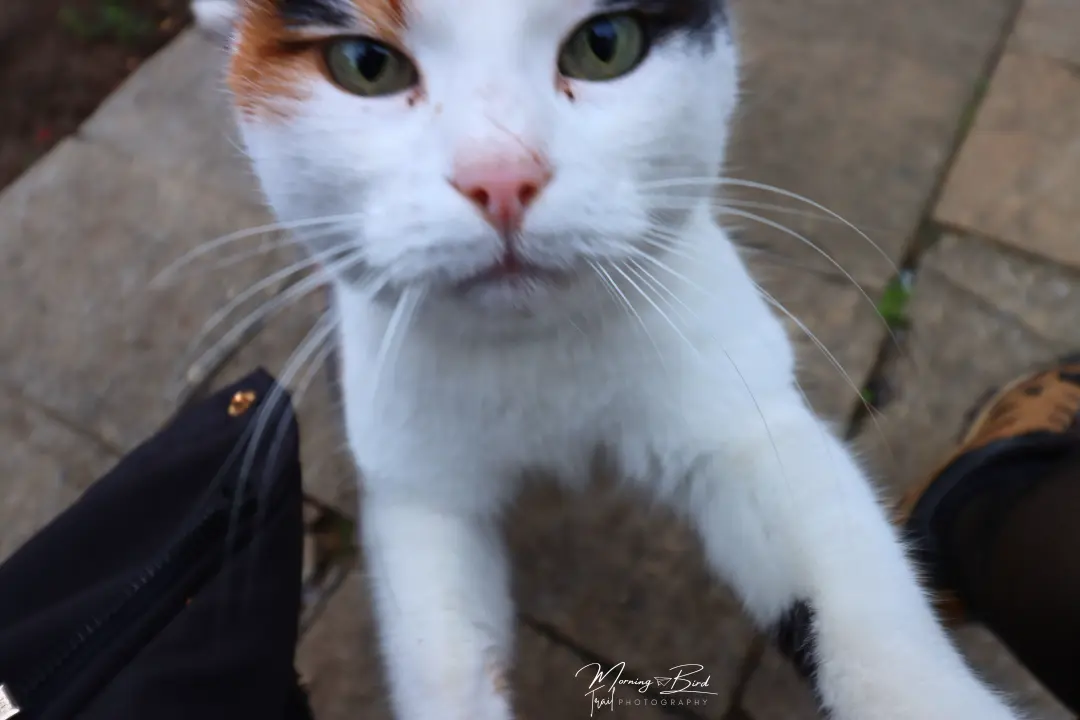
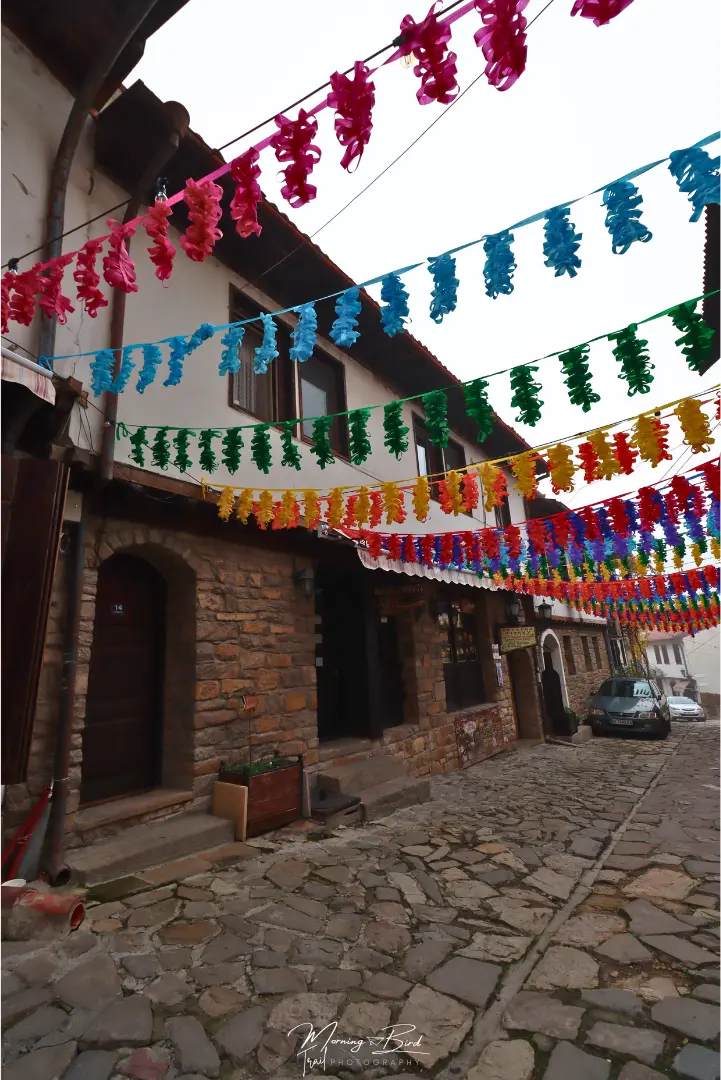
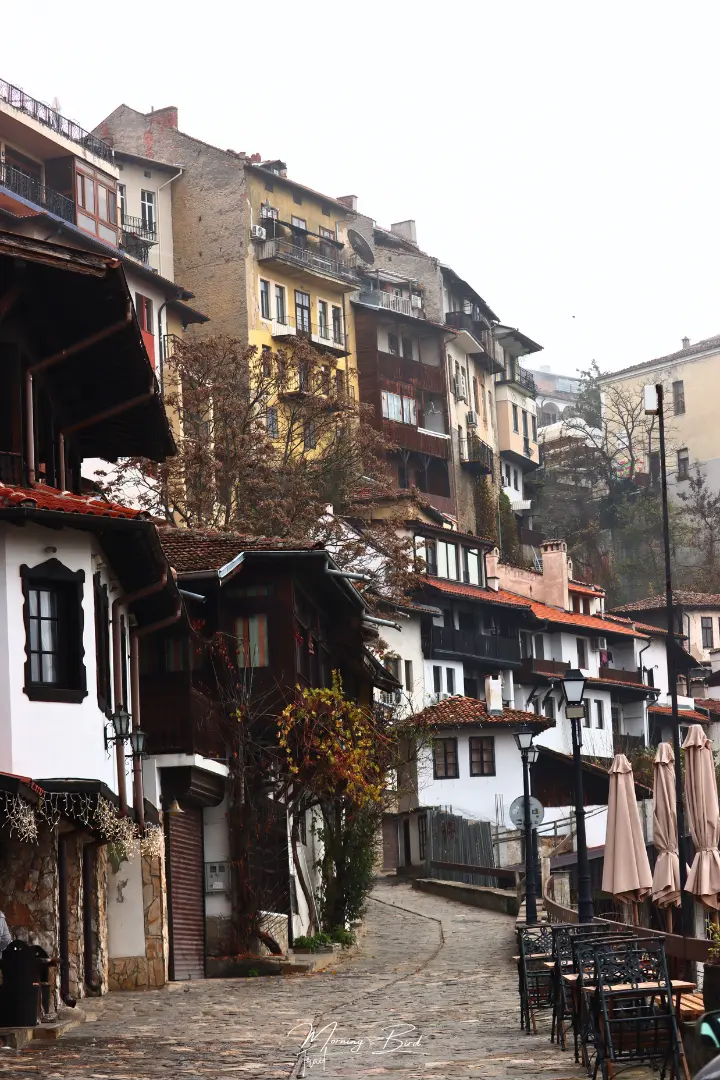
- Gurko Street - This is one of the most beautiful streets in the city and I loved walking around it early in the morning! It’s a lovely walk looking at the Yantra River and the Bulgarian houses with its wooden balconies.
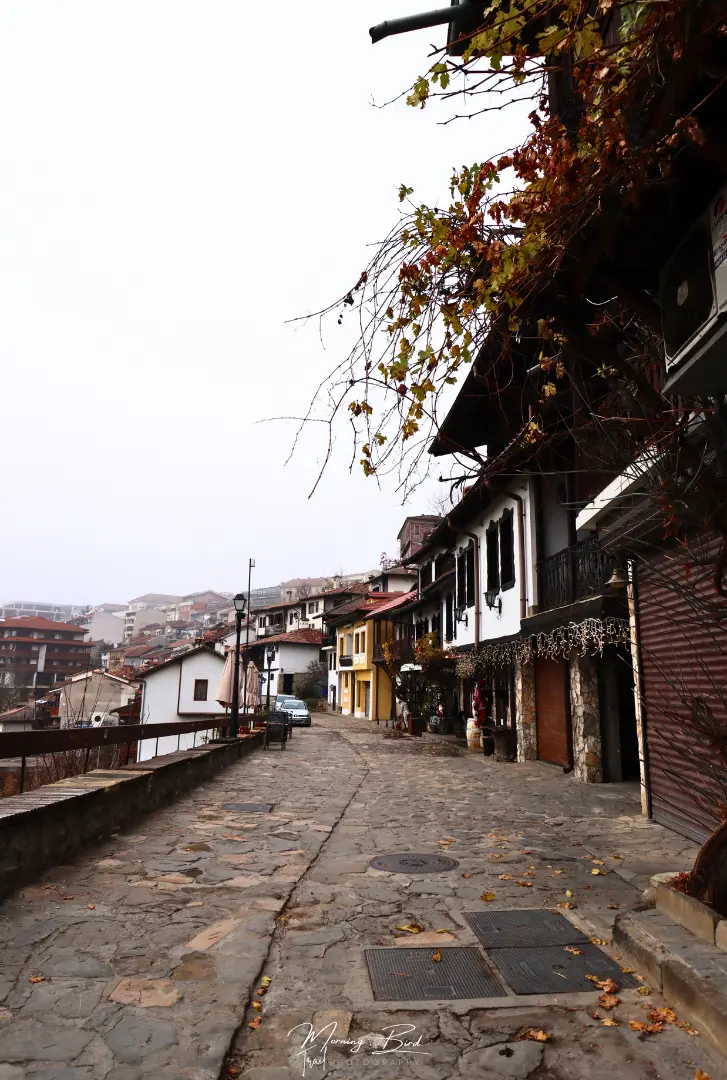
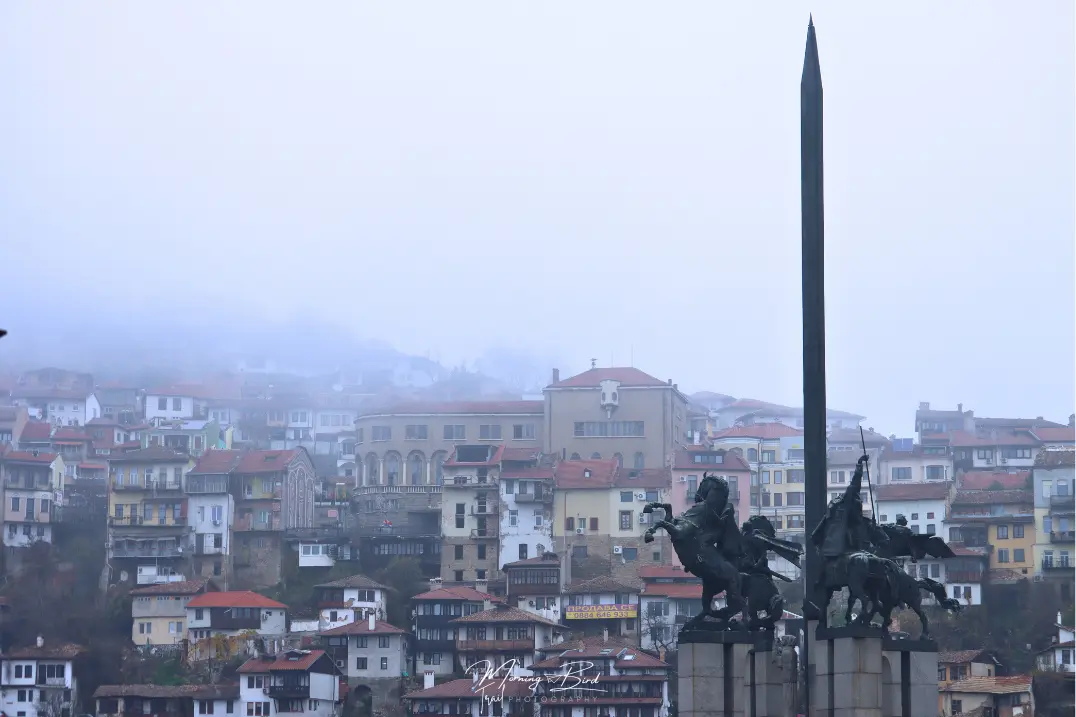
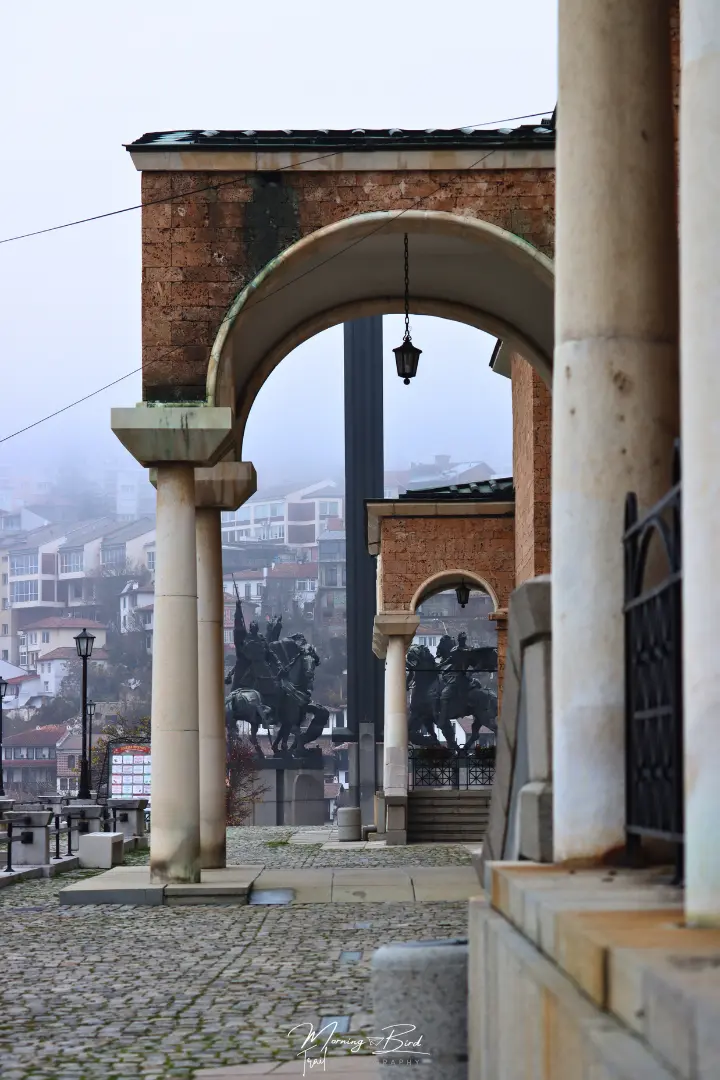
- Asen’s Monument - This monument to the Asen dynasty, the medieval rulers who restored the Bulgarian Empire in 1185 is located on a peninsula surrounded by the Yantra River and has very nice views to the hills and Gurko Street.
Where to eat
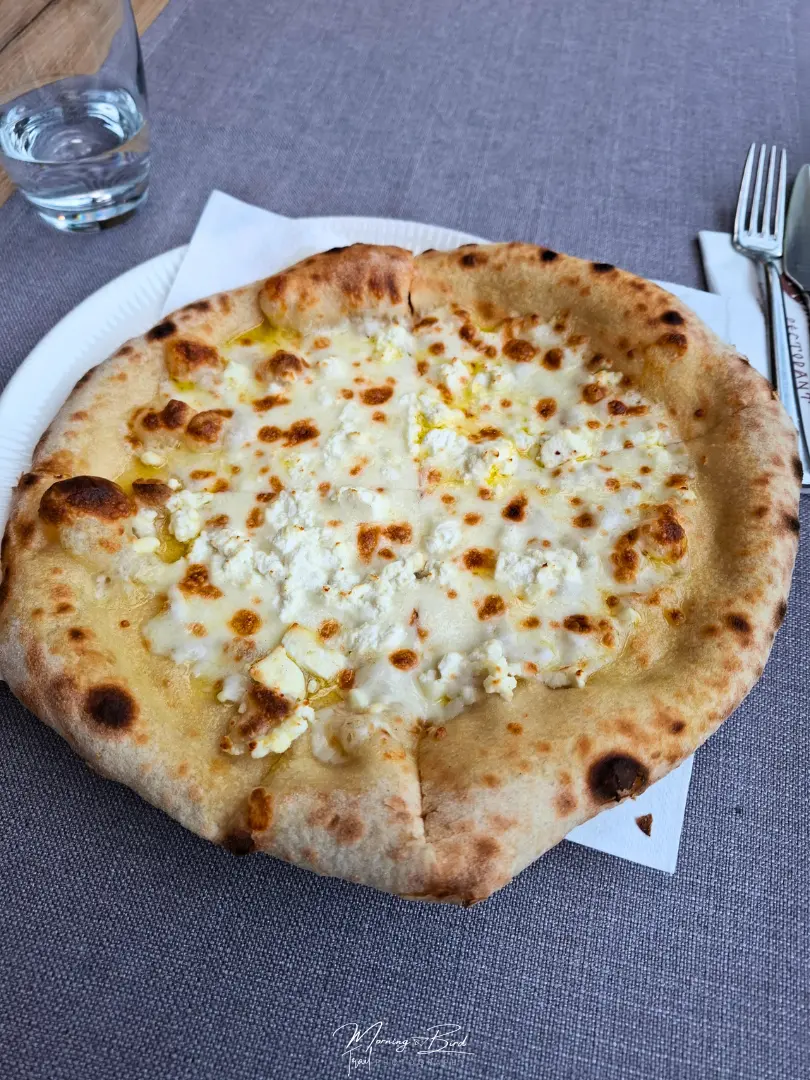
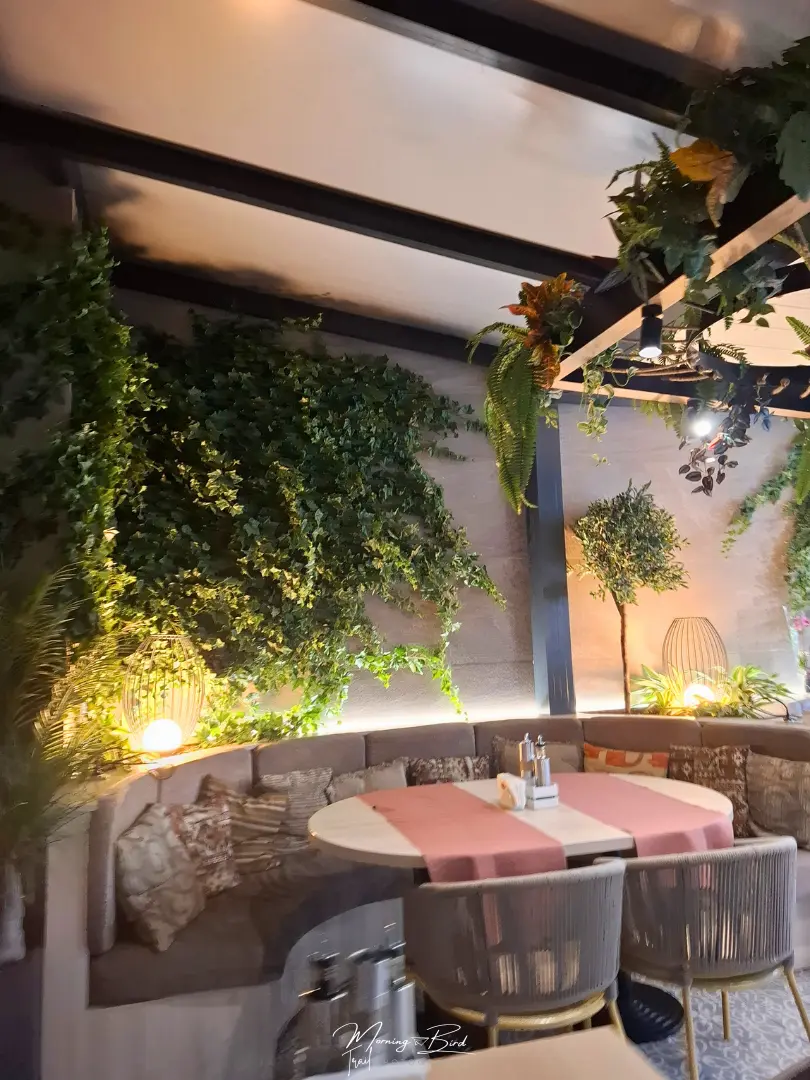
- Restaurant Asenevtsi - This was a perfect experience, a lovely place, amazing food (and big doses) and cheap prices and nice staff. Highly recommend it!
Where to stay
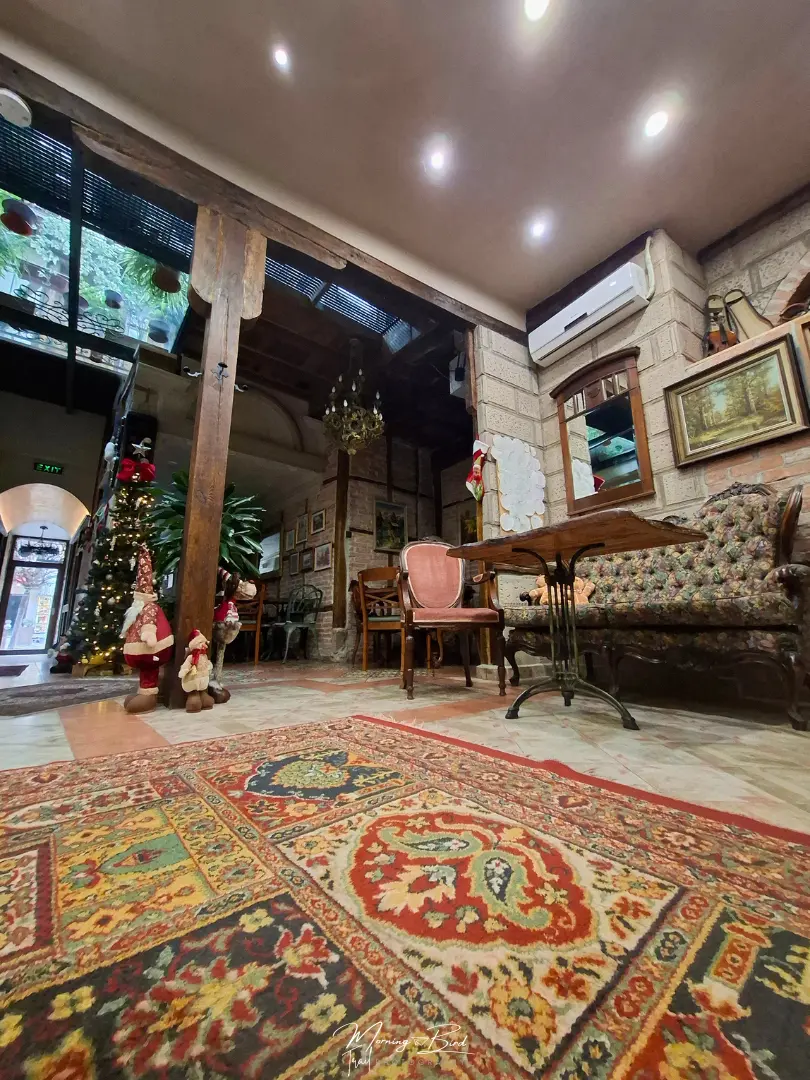
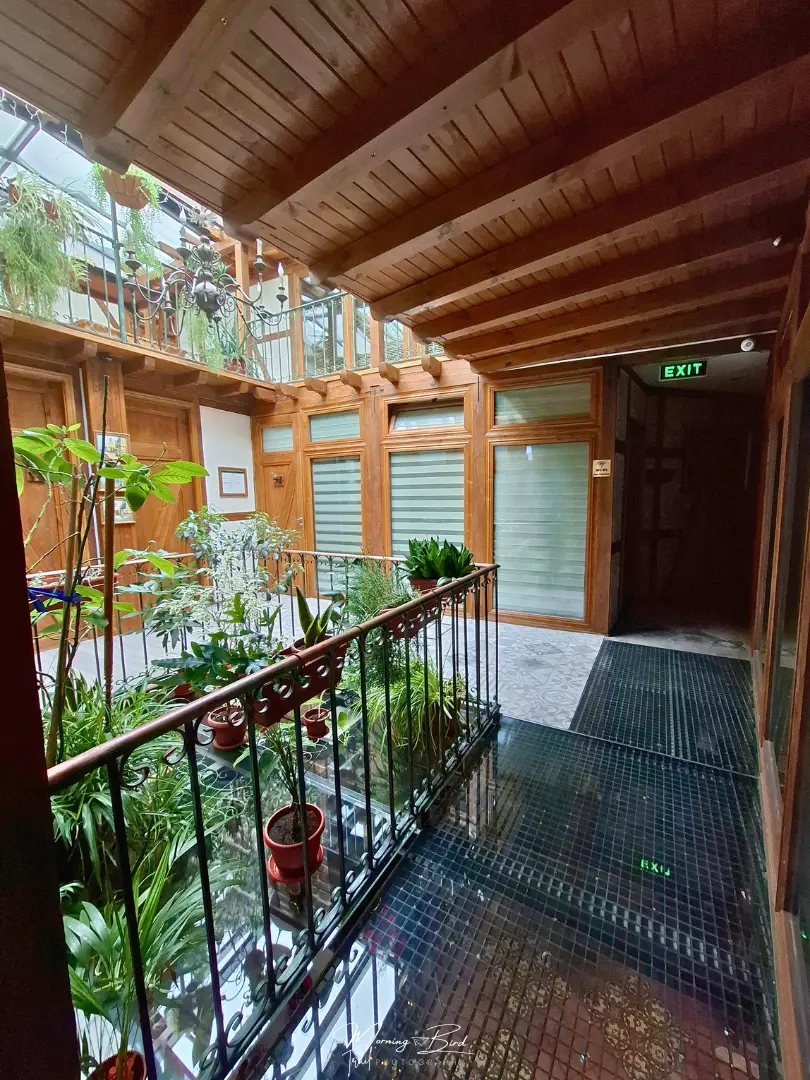
In Veliko Tarnovo, I stayed in a really nice hotel: Guest house Diabora-Veliko Tarnovo. This guest house had a lovely decoration, incredibly nice staff and the most comfortable mattress I’ve ever slept on! I definitely recommend it!
Day trips
Besides being on its own a nice town to explore, its central location makes it a perfect location to explore the rest of the country. Below you can see some of the examples of these locations that you can explore. Most of these locations (namely Buzludzha and God’s eyes) are visited typically from Sofia, so from here you have fewer options and maybe less people on your tour.
Day 6 - Burgas
Burgas is one of the largest cities on the Bulgarian Black Sea coast and the main transport hub for the southern beaches, which makes it a convenient base for exploring this stretch of coast. This is the case specially in the summer, since in winter connections may be a bit more annoying to find.
What to see
- Sea Garden (Morska Gradina) - Burgas large seaside park, lined with alleys, sculptures and cafés and running right along the coast.
- Burgas Bridge (the Pier) - a long wooden pier stretching out into the sea and the city’s favourite sunset spot.
- Aleko Bogoridi Street - the lively main pedestrian street, full of restored architecture, shops and restaurants.
- St Cyril and St Methodius Cathedral - the central and most photogenic church in the city.
Day trips
The main reason many people base themselves in Burgas is to explore the beautiful old towns nearby:
- Nessebar - a UNESCO-listed old town packed with ancient churches, known as the “Pearl of the Black Sea”.
- Sozopol - the arty, cobblestoned old town of ancient Apollonia, with lovely beaches.
- Pomorie - famous for its salt lakes, healing mud and wine.
- St Anastasia Island - the only inhabited island on the Bulgarian Black Sea, reached by boat from Burgas, with a monastery, lighthouse and pirate legends.
- Atanasovsko Lake - just outside the city, these salt pans are one of Europe’s best birdwatching spots, with pelicans and flamingos passing through on migration.
Day 7 and 8 - Varna
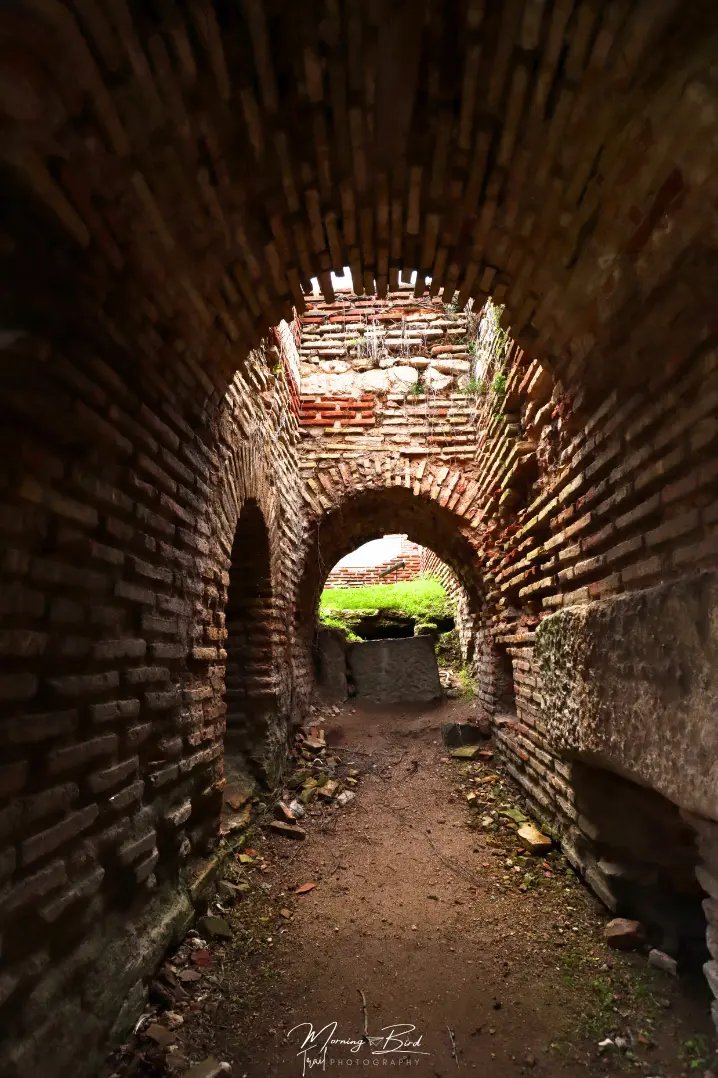
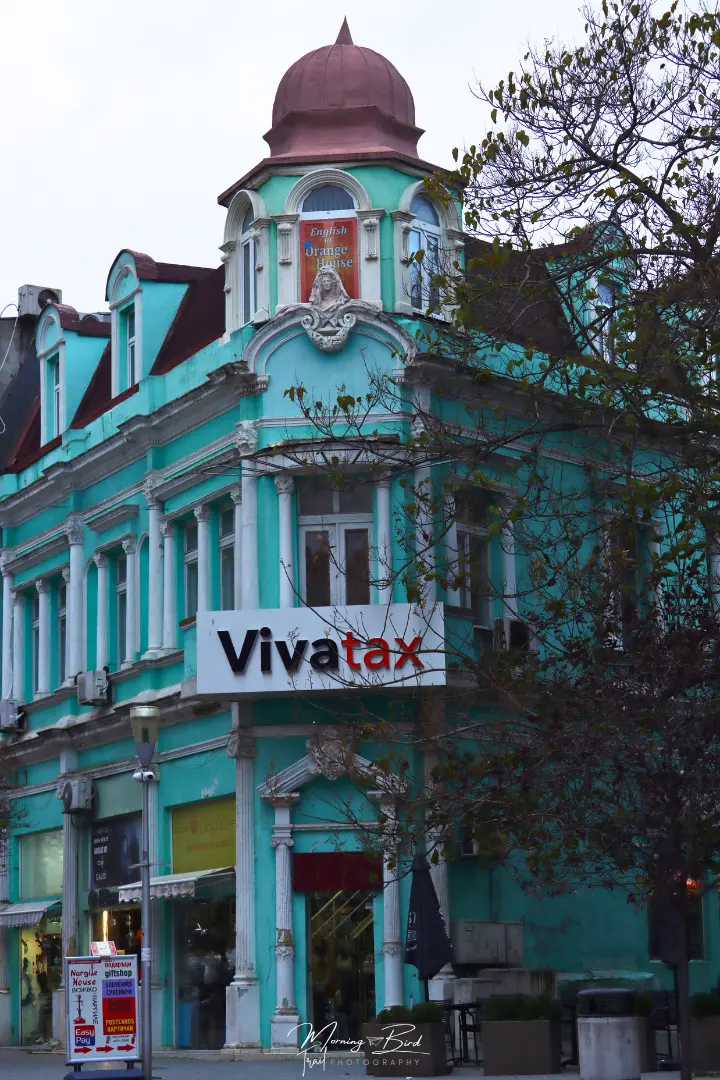
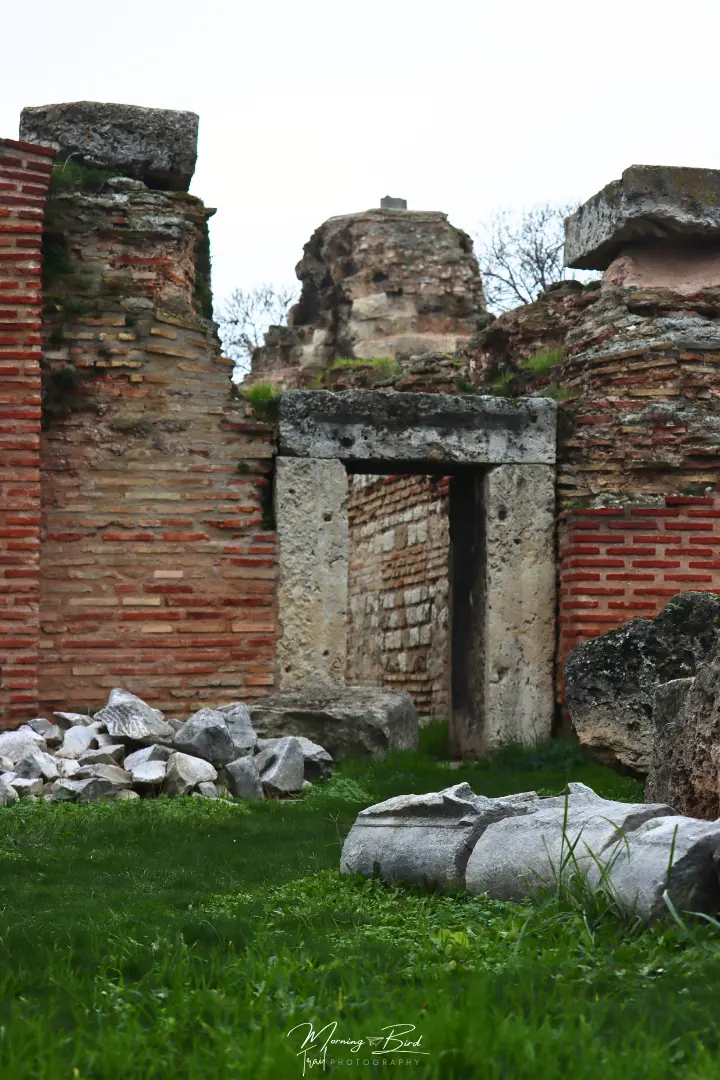
Varna is the largest city on the Bulgarian Black Sea coast and a perfect combination of history, beaches, parks, and seaside atmosphere. That said, in December, Varna is a bit… dead. Most city centre restaurants were closed and the streets mostly empty. However, it was still nice wandering around the city, especially considering that several of the places, such as the beach or the ruins, would be full of people in Summer.
What to see
-
Sea Garden - The sea garden, is an extensive garden by Varna beach, separating the ocean from the city centre. This is one of the largest seaside parks in Bulgaria. It is the perfect place for a relaxing walk, especially around sunset when locals gather to enjoy the sea views.
-
Varna Archaeological Museum - Home to one of Bulgaria’s most important archaeological collections, this museum is famous for displaying the Varna Gold Treasure, the oldest processed gold treasure in the world, dating back more than 6,000 years. The exhibitions also cover the region’s Thracian, Greek, Roman, and medieval history, making it a must-visit for history lovers.
-
Roman Thermae of Odessos - Dating back to the 2nd century AD, the Roman Thermae are the largest ancient baths discovered in Bulgaria and among the largest in the Balkans. These impressive ruins provide a glimpse into the importance of ancient Odessos, the Roman city that once stood where Varna is today. It was also pretty cool and impressive to walk around almost alone in December.
-
Varna Central Beach - Located next to the Sea Garden, Varna’s Central Beach is a convenient place to relax after sightseeing. The area offers seaside restaurants, bars, and walking paths, making it a lively spot during the summer months.
-
Stone Forest - Located about 20 km outside Varna, the Stone Forest (Pobiti Kamani) is a unique natural phenomenon consisting of large stone pillars rising from the ground.
-
Aladzha Monastery - Hidden in a forested area near the coast, Aladzha Monastery is a medieval rock monastery carved into a limestone cliff. The monks’ cells, chapels, and passages are built directly into the rock, offering a fascinating look into Bulgaria’s religious history.
Both the Stone forest and the Aladzha Monastery can be visited through guided tours that depart from Varna such as this one:
Where to eat
-
Bistro Boulevard Varna - Located in the heart of Varna, Bistro Boulevard is a popular choice for a casual meal while exploring the city centre. The restaurant offers a mix of Bulgarian and European dishes. This was one of the few places open in the city when I went.
-
Nemo - Port Varna - This restaurant is located by the port and is a well-known seafood restaurant in Varna. Here you can experience the flavours of the Black Sea. I ate a day’s catch of Black Sea shark, so that was quite interesting.
Other places to visit
There are plenty of other amazing places to visit in Bulgaria, both natural views, soviet secrets, forts, etc.
-
Rose valley (June) - In June something special happens in Bulgaria. Something I found surprising, was the amount of rose oil products that I found everywhere around Bulgaria. Turns out the reason for this, is that Bulgaria is known to be the best quality rose essential oil in the world. These rose fields are located in the known Rose Valley as part of the lower Sredna Gora mountain range. In particular, there is a festival centred in Kazanlak that celebrates the rose harvest.
-
Buzludzha Monument - was built by the communist government in Bulgaria in 1981 and its UFO-like shape feels completely out of place against the rugged mountain landscape. Although the interior is generally closed to visitors, simply walking around the massive concrete structure is a fun experience whether you’re fascinated by history, architecture, or abandoned places.
-
Belogradchik Fortress - This fort is located in a super picturesque landscape, between the cliffs of the Balkan Mountains, near the town of Belogradchik. This very well-preserved stronghold served mostly for surveillance and became one of the most important fortresses in the 14th century.
-
Devetashka Cave - This cave is special due to the openings on its ceiling, through which beams of sunlight enter the cave. The sheer scale of the cave is difficult to capture in photos, and the peaceful surroundings make it a refreshing break from Bulgaria’s historic towns and cities. A wooden walkway makes exploring easy, and with a bit of luck, you’ll even spot some of the protected bat species that call the cave home.
Frequently Asked Questions
-
Is Bulgaria expensive? Compared to many other European destinations, Bulgaria is refreshingly affordable. Accommodation, restaurants, public transport, and entrance fees are generally much cheaper than in countries like Italy, France, or Croatia. You can enjoy a hearty meal at a traditional restaurant for around €10–20 per person, while mid-range hotels often cost between €60 and €120 per night.
-
Is Bulgaria safe? Yes, Bulgaria is generally a very safe country to visit. During my trip, I felt comfortable exploring cities, walking through historic centres, and travelling between destinations. As with anywhere else, it’s wise to stay aware of your surroundings, keep an eye on your belongings in busy tourist areas, and avoid leaving valuables visible in your car. Overall, violent crime is rare, and most visitors experience a trouble-free trip.
-
Do people speak English? English is widely spoken in Bulgaria’s larger cities and tourist destinations, particularly by younger people and those working in hotels, restaurants, and attractions. In smaller towns and rural areas, English becomes less common, but I rarely found communication to be a problem. Learning a few basic Bulgarian phrases is always appreciated and can make interactions with locals even more enjoyable.
-
How much should I budget? For a comfortable mid-range trip, I’d recommend budgeting €90–150 per person, per day, including accommodation, meals, fuel or transportation, and entrance fees. Budget travellers staying in hostels and using public transport can often get by on €50–80 per day, while those looking for boutique hotels, fine dining, or premium experiences should expect to spend €180+ per day. Overall, Bulgaria remains one of the best-value destinations in Europe.
One week is enough to experience many of Bulgaria’s highlights, from the lively streets of Sofia and the colourful Old Town of Plovdiv to the medieval charm of Veliko Tarnovo and the beautiful Black Sea coast. Although you’ll be moving frequently, the journey offers a fantastic introduction to the country’s rich history, diverse landscapes, and warm hospitality.
If you have more time, consider extending your trip to explore the Rhodope Mountains, Bansko, Belogradchik, or spend a few extra days relaxing along the coast.
Have you visited Bulgaria, or are you planning your own trip? Let me know in the comments what places you’re most excited to explore or share your favourite hidden gems!
Pin for later!
Was this guide helpful?
Thanks for your feedback! 💛
Comments